
Slipper Color Trends for SS26: Maximizing Value and Reducing Returns
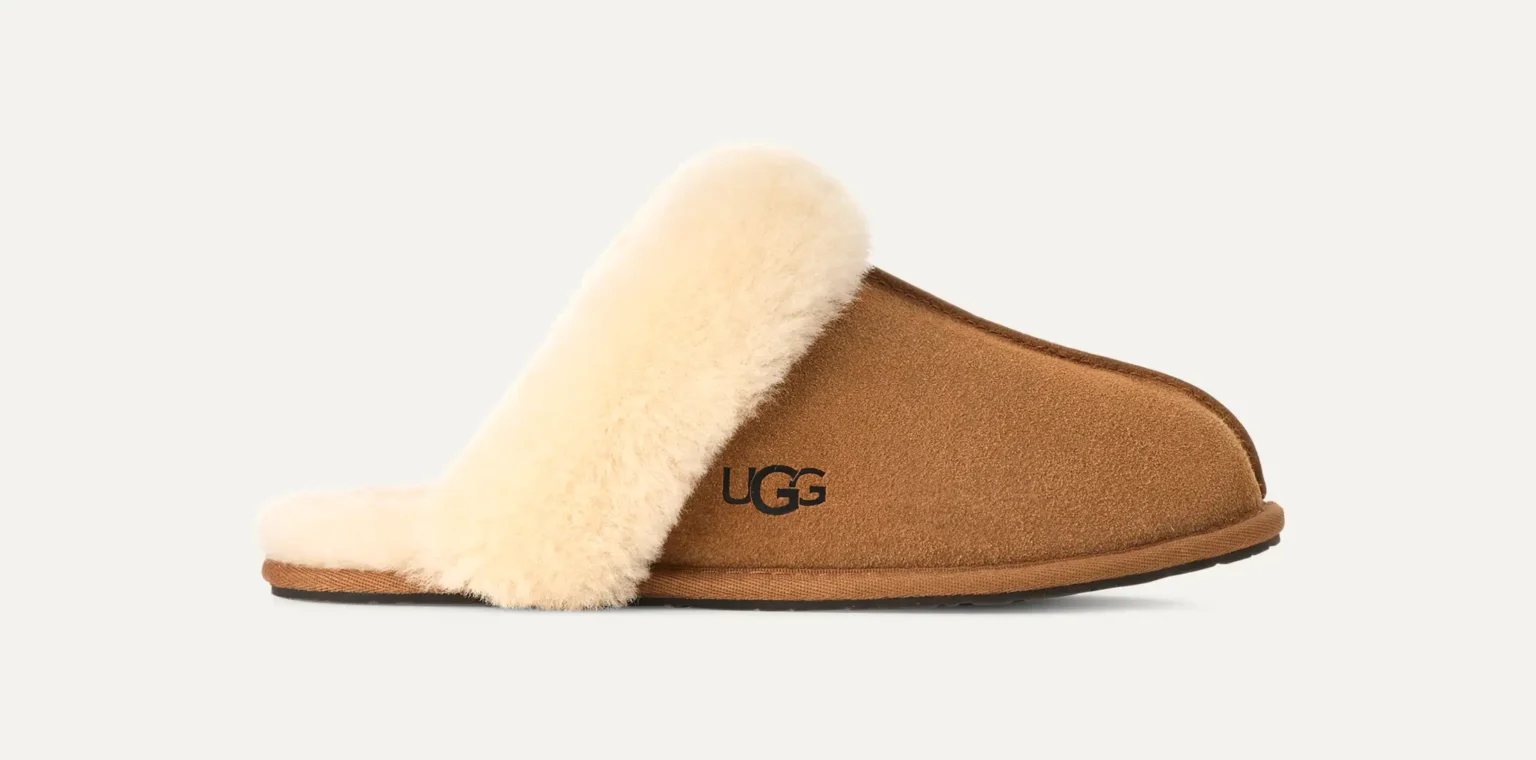
Why Color Selection Dictates Your 2026 Return Rate When finalizing your procurement list for the Spring/Summer 2026 (SS26) season, color is more than an aesthetic choice—it’s a critical factor in Perceived Value and supply chain risk management. At Ningbo Cotton Slipper Co., Ltd (NCS), we recommend that buyers evaluate their palettes based on two primary […]
2026 Hybrid Slipper Trends: Winning the Indoor-to-Outdoor Market
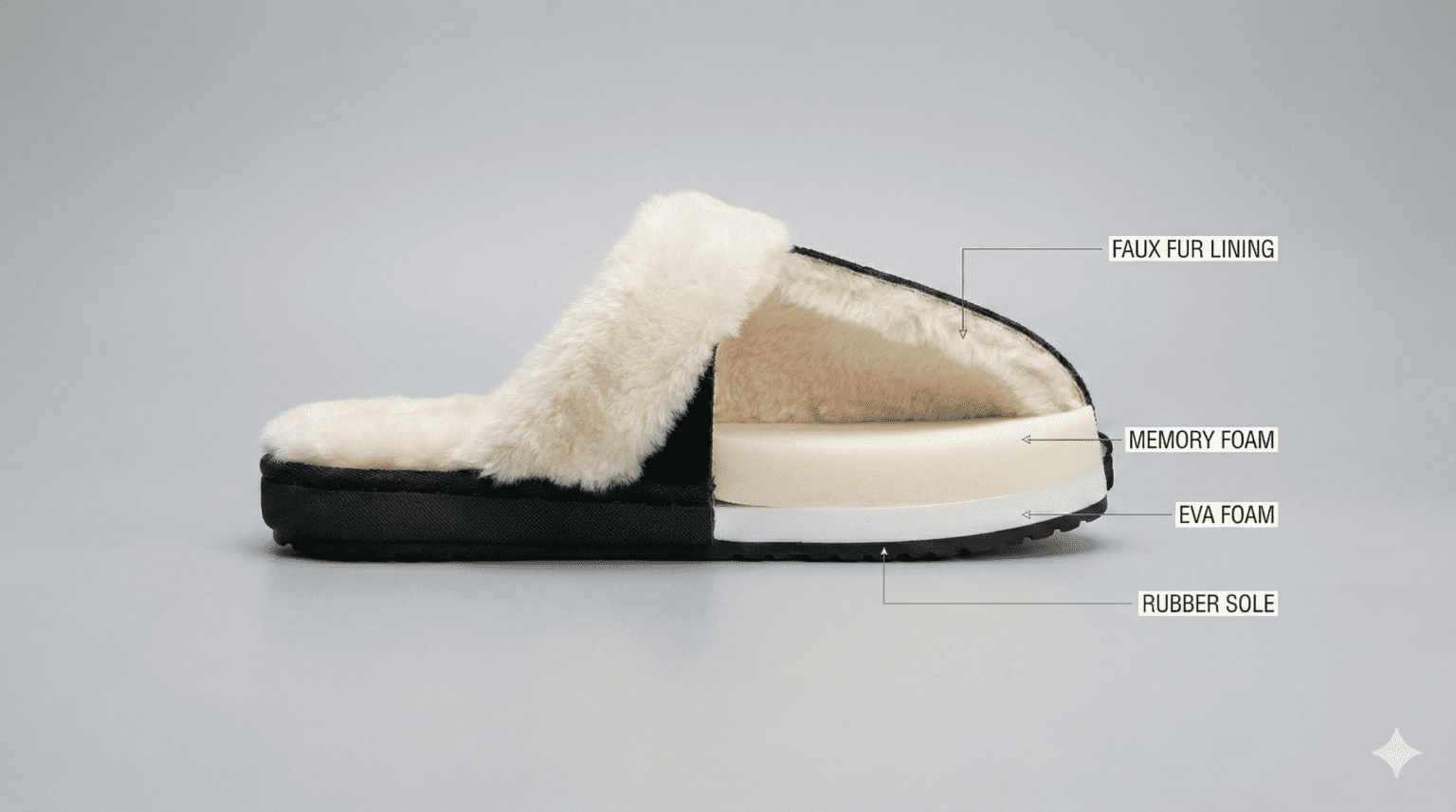
Stop letting the "Inconvenience of Switching" kill your customers’ interest. After a long day at work, every extra movement is a burden. We’ve identified a very real human insight: People often spend only a short time outdoors. Whether it’s stepping onto the patio for a quick coffee or heading to the mailbox, for an exhausted […]
Bio-Based EVA Slippers: 2027 Sustainability Pre-Planning for Footwear Brands

Recycling is no longer enough to stand out. While using recycled plastic was the ‘gold standard’ in 2025, the market is now moving toward Plant-Based Materials. Forward-thinking brands are shifting from ‘recycled’ to ‘renewable’ to stay ahead of upcoming environmental laws Ningbo Cotton Slipper Co. (NCS) have completed our Formula Stability Trials. While many factories […]
Case Study: How NCS Rescued a UK Retailer’s Q4 with 25-Day Rapid Sourcing
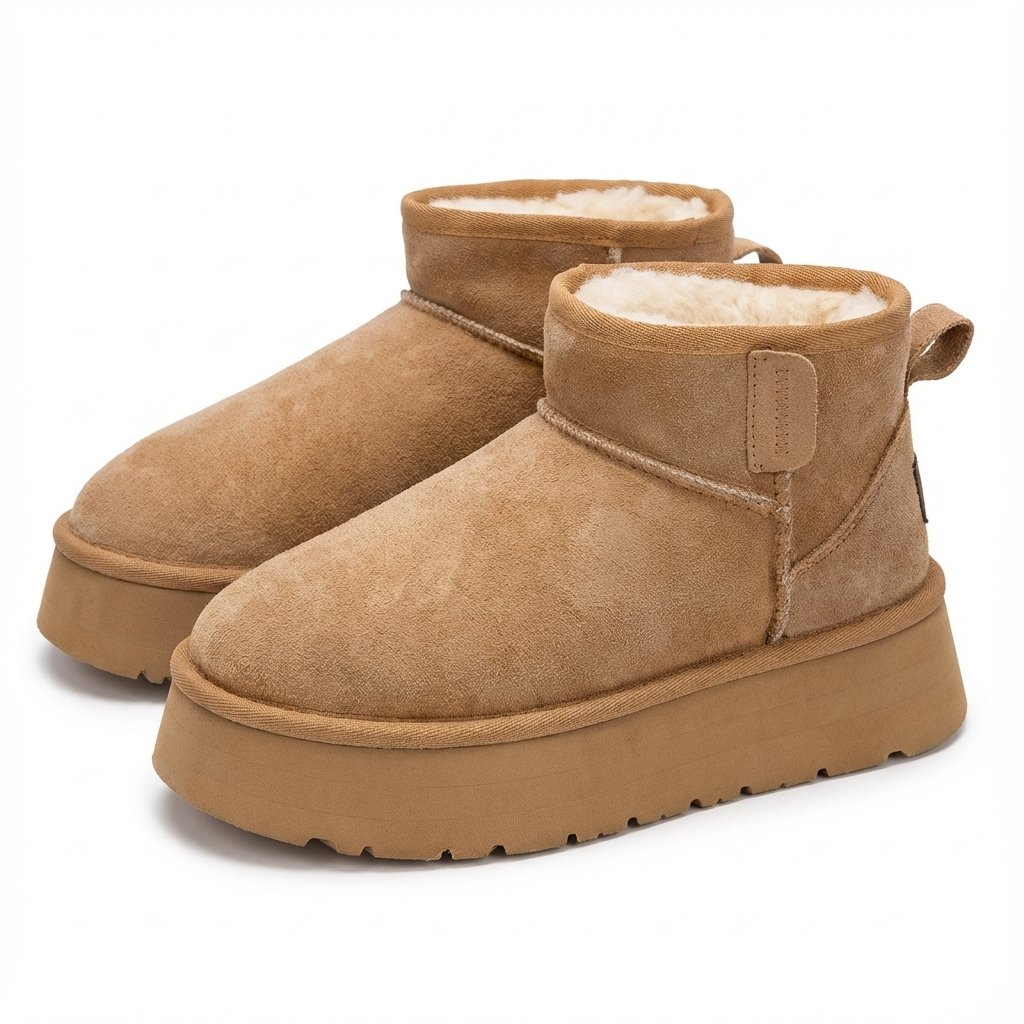
In the UK high street, timing is everything. If your slippers aren’t on the shelves by November, you’ve already lost the season. For a major UK retailer in late 2025, a massive 8-week delay from their usual supplier threatened to turn their peak shopping window into a revenue disaster.early September 2025, a major UK high-street […]
Lower Your FBA Fees: How NCS Optimizes Winter Bootie Packaging
Abstract: The Hidden Profit Killer in Winter Footwear For E-commerce sellers, the biggest challenge with winter bootie slippers isn’t the factory price—it’s the Shipping Volume. Because booties are bulky, they take up too much space in delivery vans. This triggers ‘Dimensional Weight’ charges, meaning you pay for space, not just the actual weight.. Traditional plush […]
Slipper Sourcing: Why Booking Winter Stock in March Saves 40% on Freight
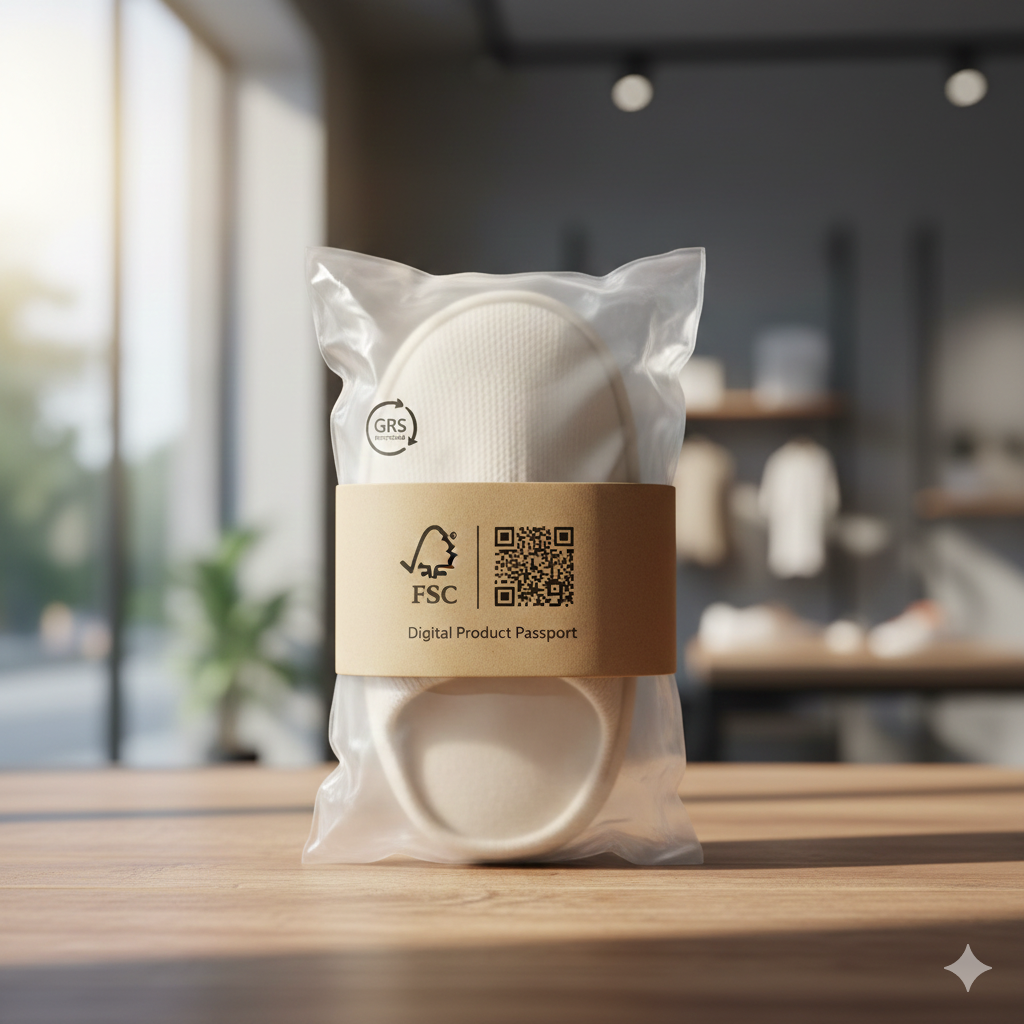
Abstract: Winning the War Against "Peak Season Chaos" In the footwear industry (HS 6404.19.90), the difference between a profitable Q4 and a break-even one often depends on a decision made in March.Experts warn that shipping costs could triple by mid-summer, jumping from $2,200 to over $9,500 per container. If you wait until June to order, […]
Slipper Sole Safety: How NCS TPR Tread Prevents Winter Slips
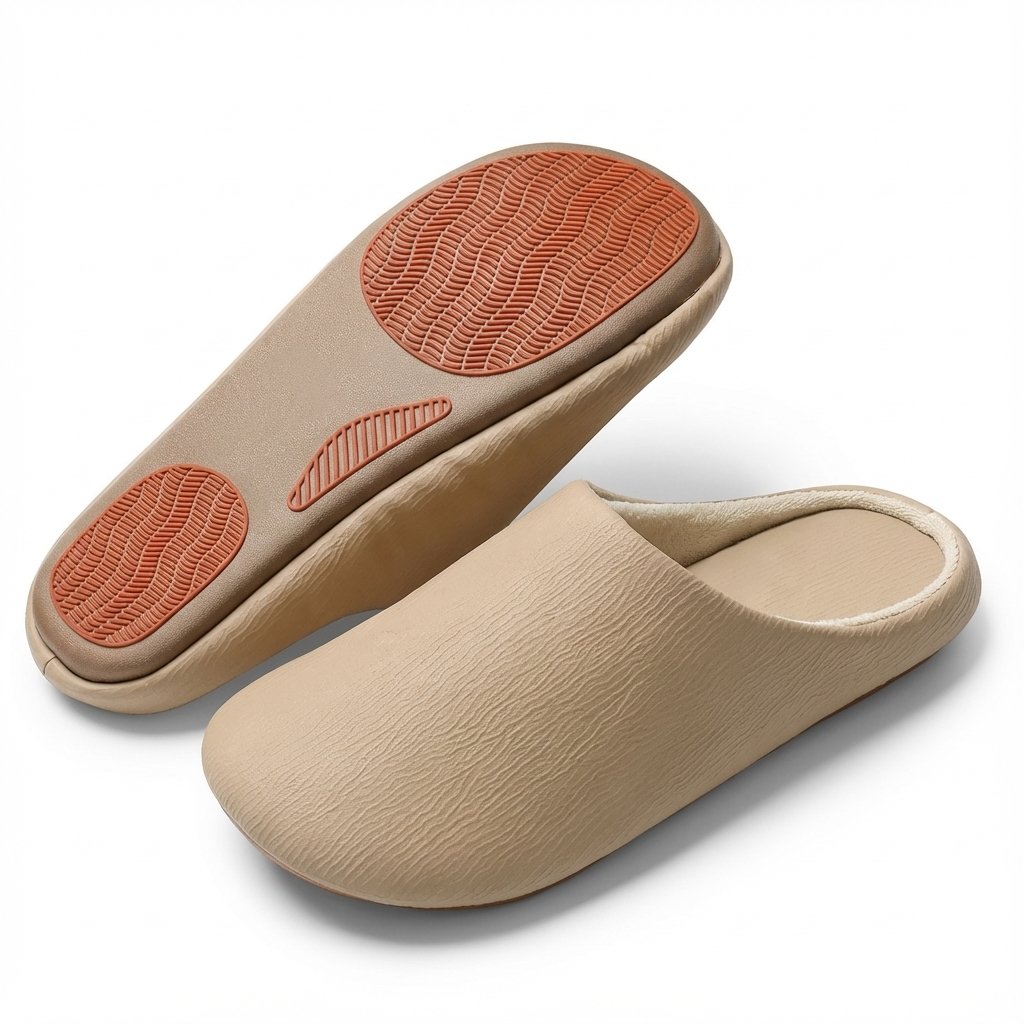
Abstract: Traction is a Matter of Physics, Not Luck For distributors and retailers, a "slip-and-fall" complaint is the ultimate brand-killer. As indoor surfaces—such as polished tiles, hardwood, and laminate—become colder and potentially damp during winter, the friction requirements for footwear (HS 6404.19.90) spike. Ningbo Cotton Slipper Co., Ltd (NCS) treats sole design as a rigorous […]
Winter 2026 Slipper Linings: Texture, Warmth, and REACH Compliance
Abstract: Aesthetics Meets Engineering in AW 2026/27 For premium brands, the ‘hand-feel’ of a slipper is what sells it. In the 2026 winter season, customers want textures that feel expensive and cozy. They aren’t just looking for ‘soft’—they want materials that look high-end and are proven to be safe and sustainable. Ningbo Cotton Slipper Co., […]
Slipper Sourcing: Why Low FOB Prices Kill Your Net Profit

Abstract: The Danger of the "Unit Price" Illusion In the hyper-competitive 2026 retail landscape, the most dangerous metric a procurement officer can rely on is the FOB (Free On Board) price. While a low unit price from an unverified vendor may look attractive on a spreadsheet, it often hides a "Tariff Stack" of hidden costs—quality […]
Winter 2026 Slipper Trends: Sourcing for Style, Speed, and Compliance

Abstract: The High-Stakes Winter of 2026 In the stagnant growth environment of early 2026, the procurement cycle necessitates a shift from speculative inventory building to Agile Replenishment.Success in 2026 means moving away from massive, one-time bulk orders. Instead, we use a Capacity Reservation Model: we hold production space for you, allowing you to place smaller […]