
Slipper Manufacturing Quality Control: The NCS RCA Protocol
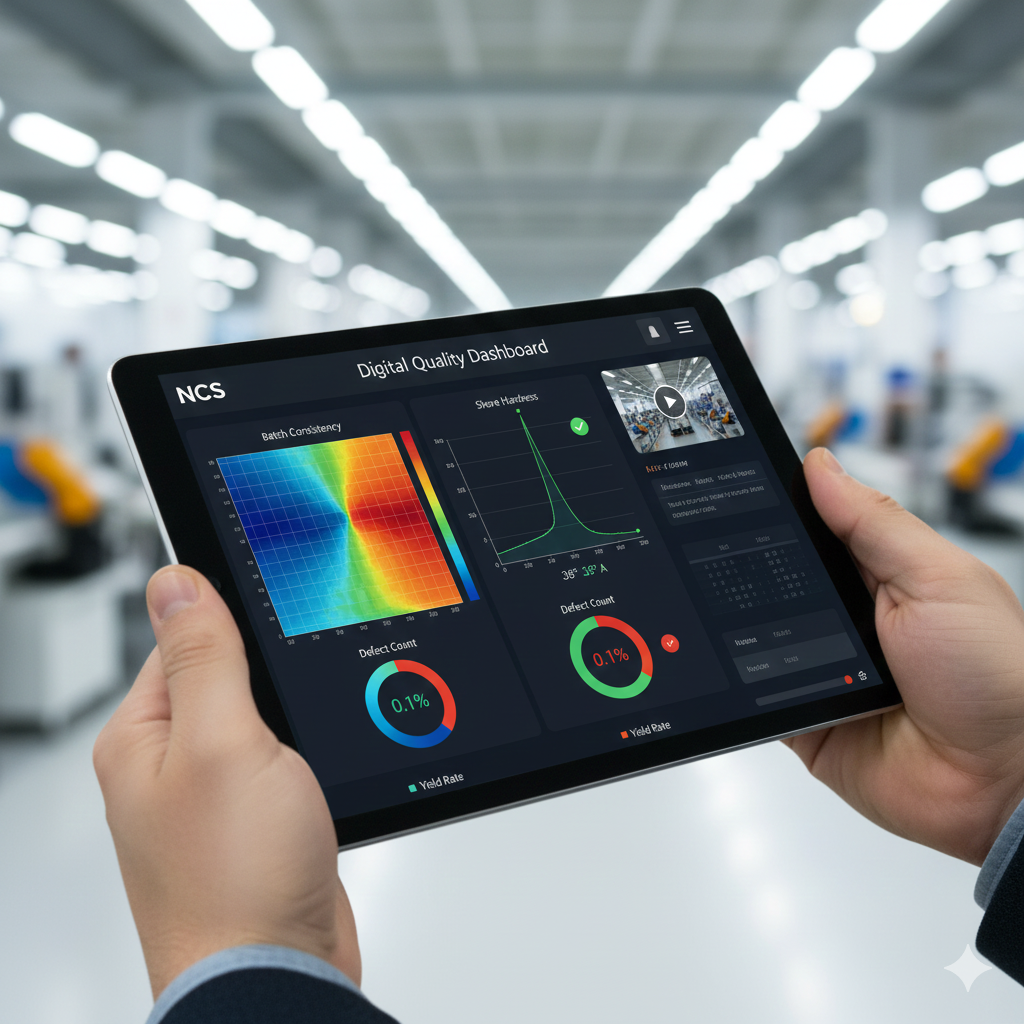
Abstract: The Myth of the "Perfect" Factory In the complex ecosystem of high-volume footwear manufacturing (HS 6404.19.90), claims of "zero defects" are often a marketing facade. For sophisticated B2B buyers, The industry benchmark for a Tier-1 supplier is the Mean Time to Recovery (MTTR) and the robustness of the CAPA (Corrective and Preventive Action) framework. […]
Sustainable Packaging Engineering: Reducing Volumetric Weight and Plastic Waste in High-Volume Slipper Shipments
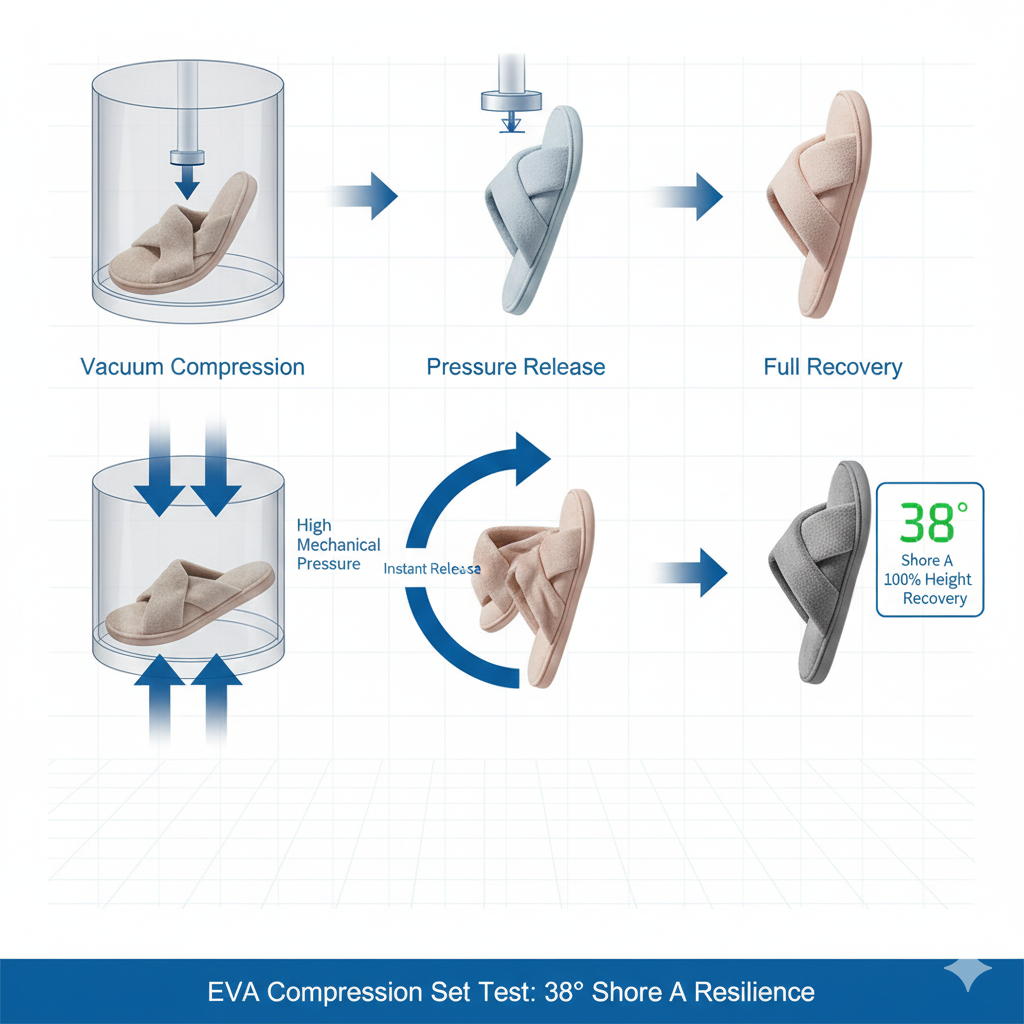
Abstract: The Dual Mandate of Modern Logistics For B2B slipper buyers (HS 6404.19.90), traditional packaging—often oversized and heavy in single-use plastics—represents both a financial drain and a regulatory risk under the EU Packaging and Packaging Waste Regulation (PPWR) and various global plastic tax initiatives." Ningbo Cotton Slipper Co. Ltd. (NCS) implements Logistical Engineering to eliminate […]
How NCS’s Inventory Buffer Prevents Spring Stockouts for Global Clients
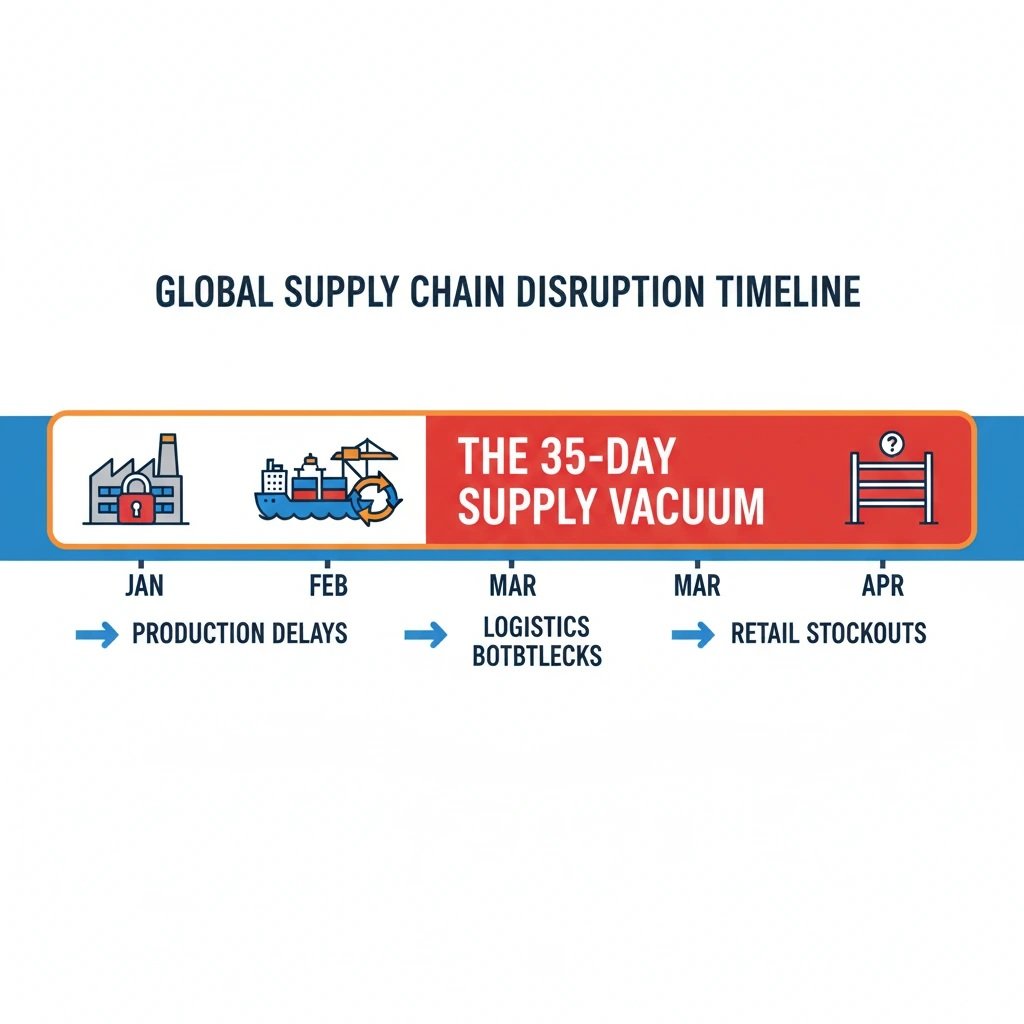
Abstract: Navigating the "Great Shutdown" Every year, the global footwear supply chain faces a total halt as factories across China close for the Lunar New Year (CNY). For retailers and distributors, this "Great Shutdown" often leads to the Spring Stockout Crisis—the period in March and April where shelves go empty just as consumer demand peaks. […]
Decoding the Lab Report: How to Interpret NCS Reach/Prop 65 Test Results for Non-Technical Buyers
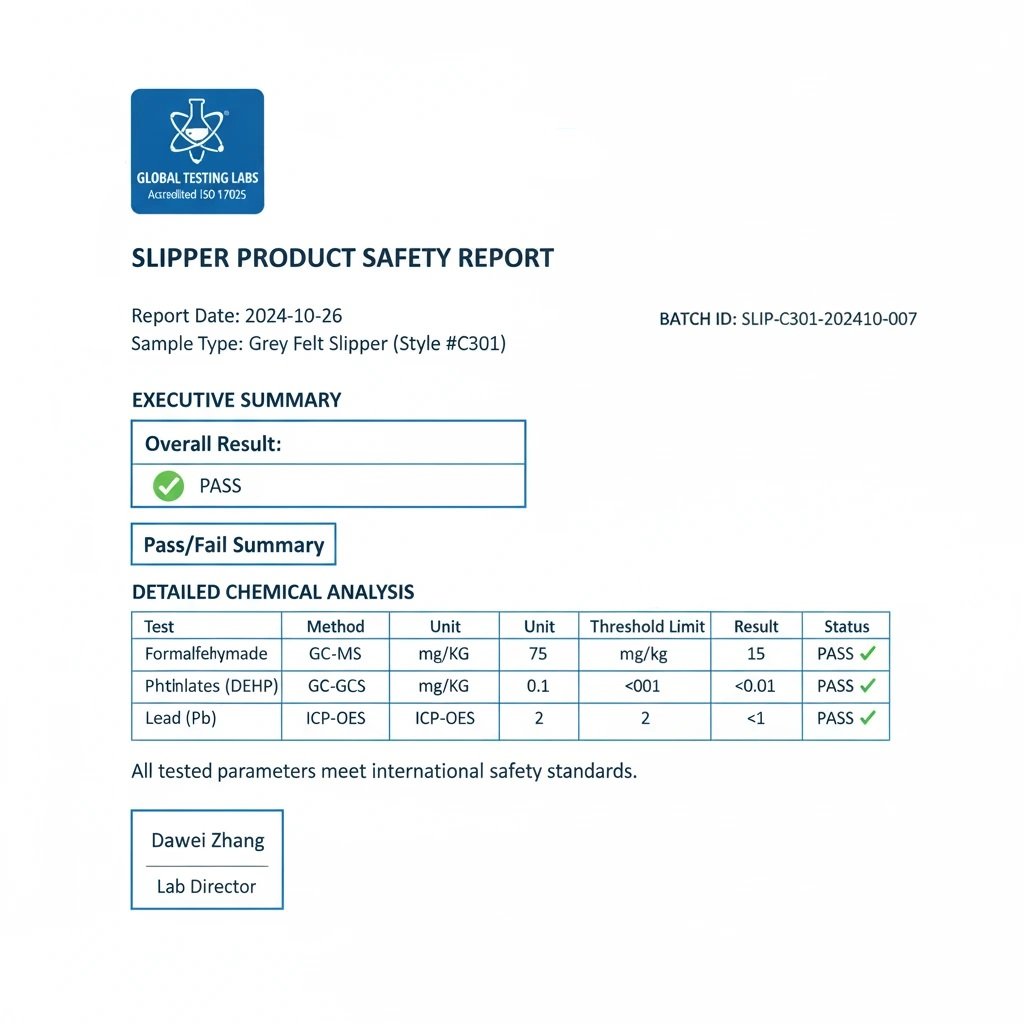
Abstract: Transparency is Only Useful if it is Understood In the high-stakes world of footwear procurement (HS 6404.19.90), receiving a 40-page lab report can be more overwhelming than helpful. For procurement managers and distributors, the ability to quickly verify that a shipment of slippers is compliant with EU REACH (Regulation EC 1907/2006) or California Proposition […]
Mass Market Excellence: How NCS Scales Quality Control for Multi-Million Pair Supermarket Contracts
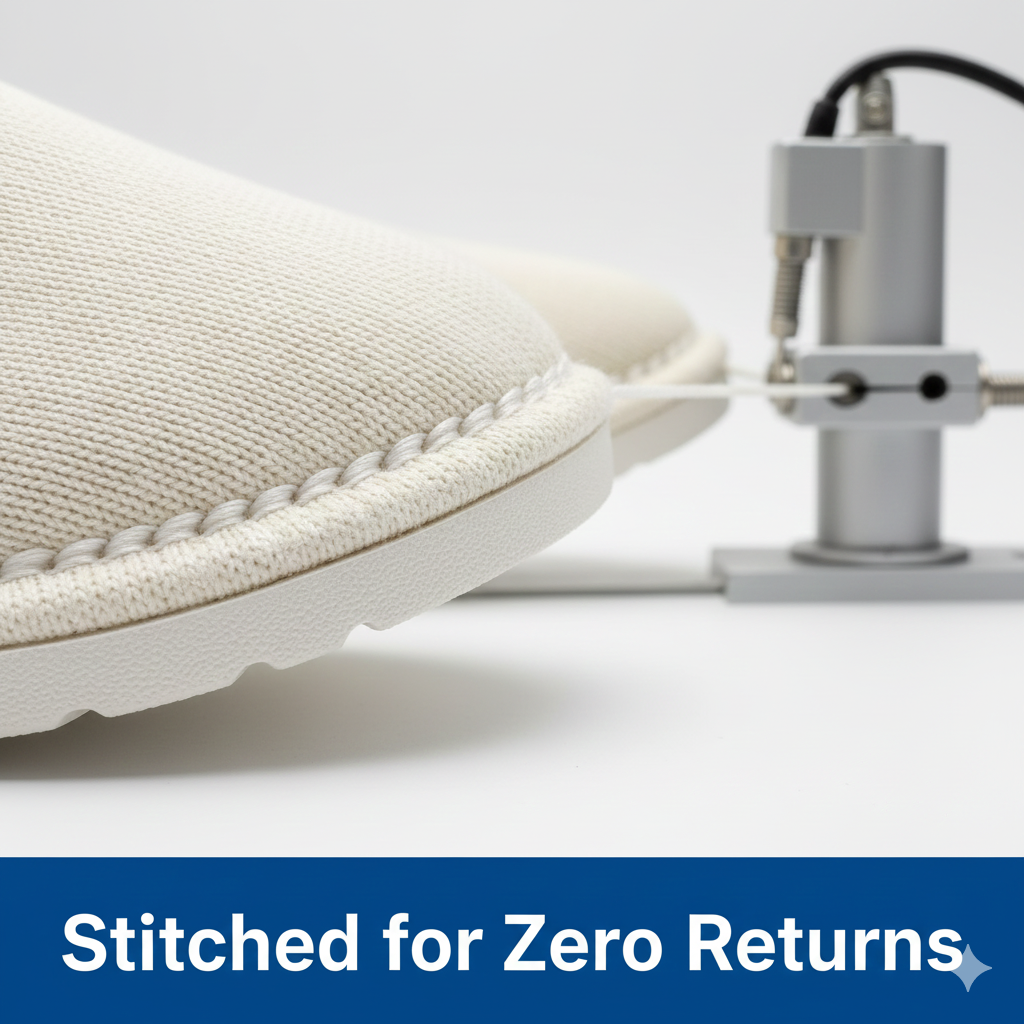
Abstract: The Challenge of High-Volume Consistency For supermarket category managers in 2025, the primary risk has shifted from simple quality variance to fiscal and regulatory liability. With the US ‘Tariff Stack’ reaching up to 65% and the EU’s Ecodesign for Sustainable Products Regulation (ESPR) ban on destroying unsold stock , a 1% defect rate on […]
Private Label Strategy 2026: Why NCS’s ODM Library is the Fastest Route to Market for US Lifestyle Brands
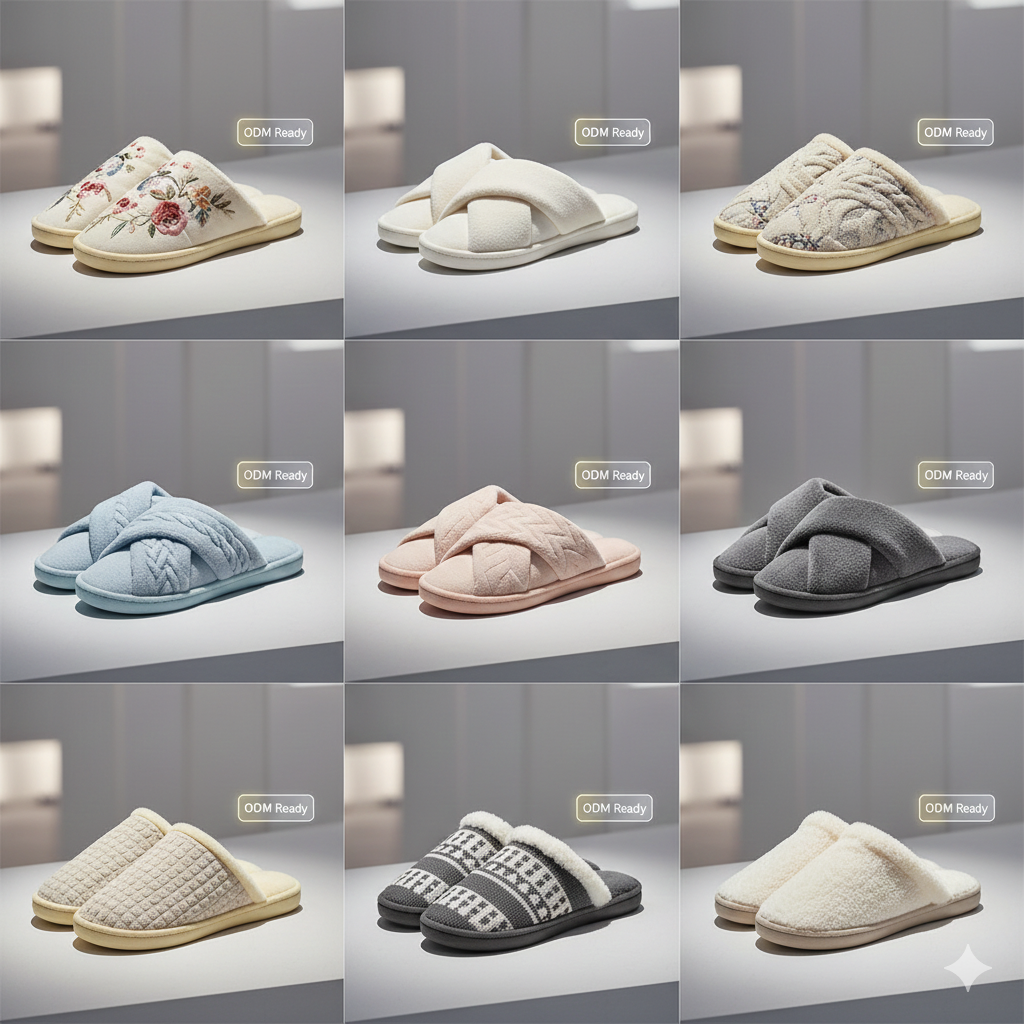
Abstract: Speed to Market is the Ultimate Competitive Advantage In the fast-paced US lifestyle market, the gap between a "trending aesthetic" and "on-shelf availability" is the difference between a sell-out success and a missed opportunity. For brands specializing in footwear (HS 6404.19.90), the traditional R\&D cycle of 6–9 months is too slow to capture the […]
EVA/TPR Material Engineering: How NCS Controls Shore Hardness to Guarantee the “Cloud-Like” Feel and Compression Resistance
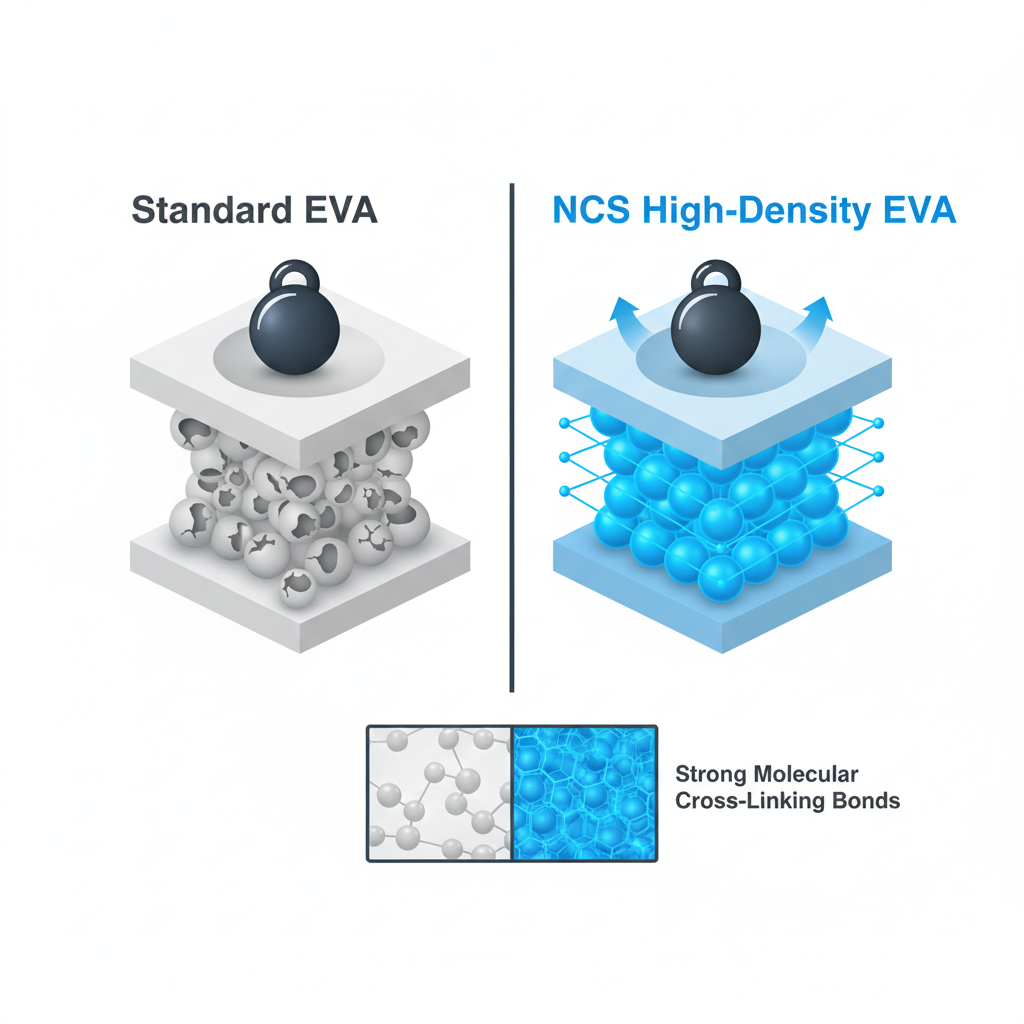
Abstract: Precision Chemistry Behind Every Step In the premium slipper market (HS 6404.19.90), "comfort" is often treated as a subjective marketing term. However, for Ningbo Cotton Slipper Co. (NCS), comfort is a measurable result of precise material engineering. By strictly controlling the Shore Hardness (Durometer) and density of Ethylene-vinyl acetate (EVA) and Thermoplastic Rubber (TPR) […]
Tier 3 Traceability: How NCS Maps the Yarn-Level Supply Chain to De-risk LkSG and CSDDD Compliance for DACH Retailers
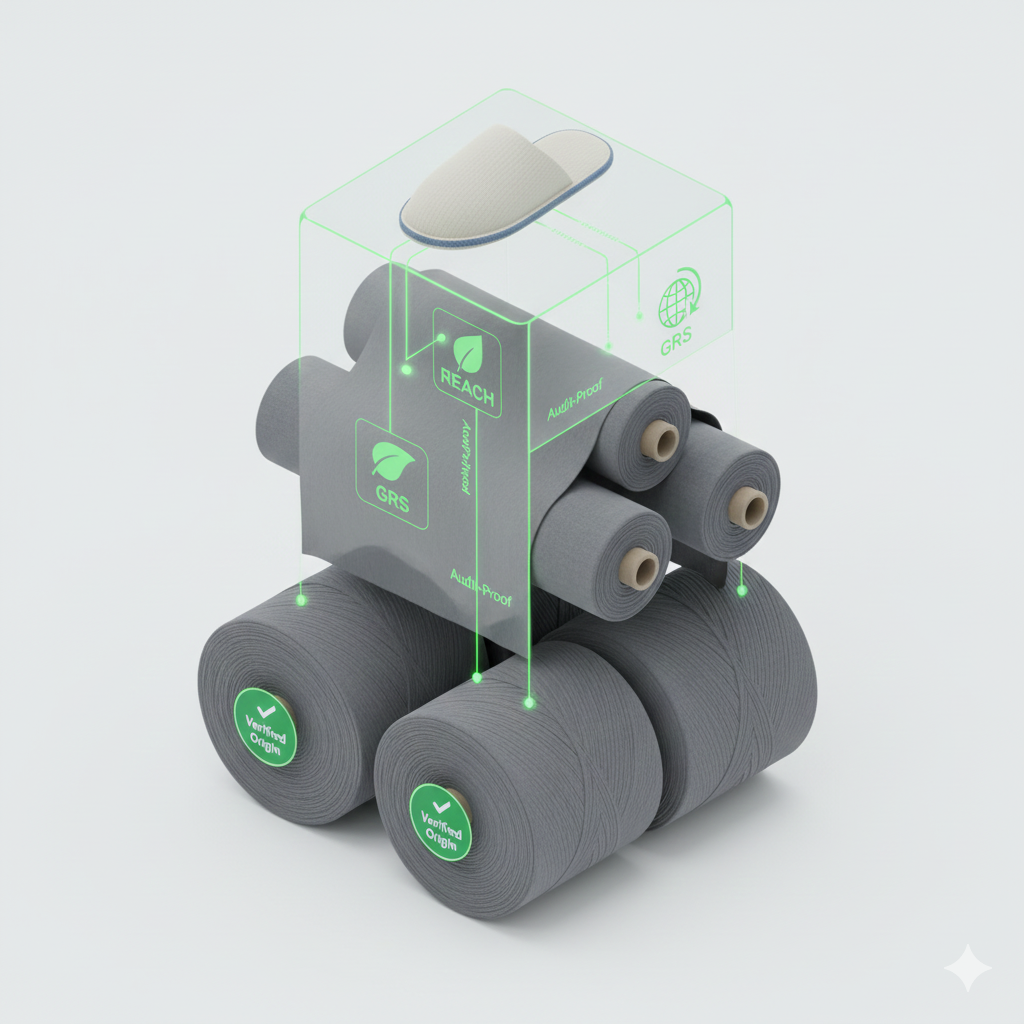
Abstract: From "Trust" to "Audit-Proof Verification" For German and European retailers (DACH region), supply chain transparency has shifted from a corporate social responsibility (CSR) goal to a strict legal requirement. While the 2025 amendment to the German Supply Chain Due Diligence Act (LkSG) abolished certain reporting obligations, the underlying civil liability for human rights and […]
Global Duty Arbitrage: How RCEP Neutralizes the Weak Yen for Japanese Slipper Importers (HS 6404.19.90)

Abstract: Leveraging Trade Agreements to Protect Import Margins In early 2026, Japanese retailers and distributors continue to struggle with the dual pressure of a persistent weak Yen and rising logistics costs. For footwear categorized under HS 6404.19.90, the Regional Comprehensive Economic Partnership (RCEP) has emerged as a critical financial relief valve. Ningbo Cotton Slipper Co. […]
The “Phantom Supply Chain”: Why Vietnam’s Capacity Crunch Makes NCS Zhejiang Vertical Integration the Low-Risk Choice for B2B Slipper Sourcing
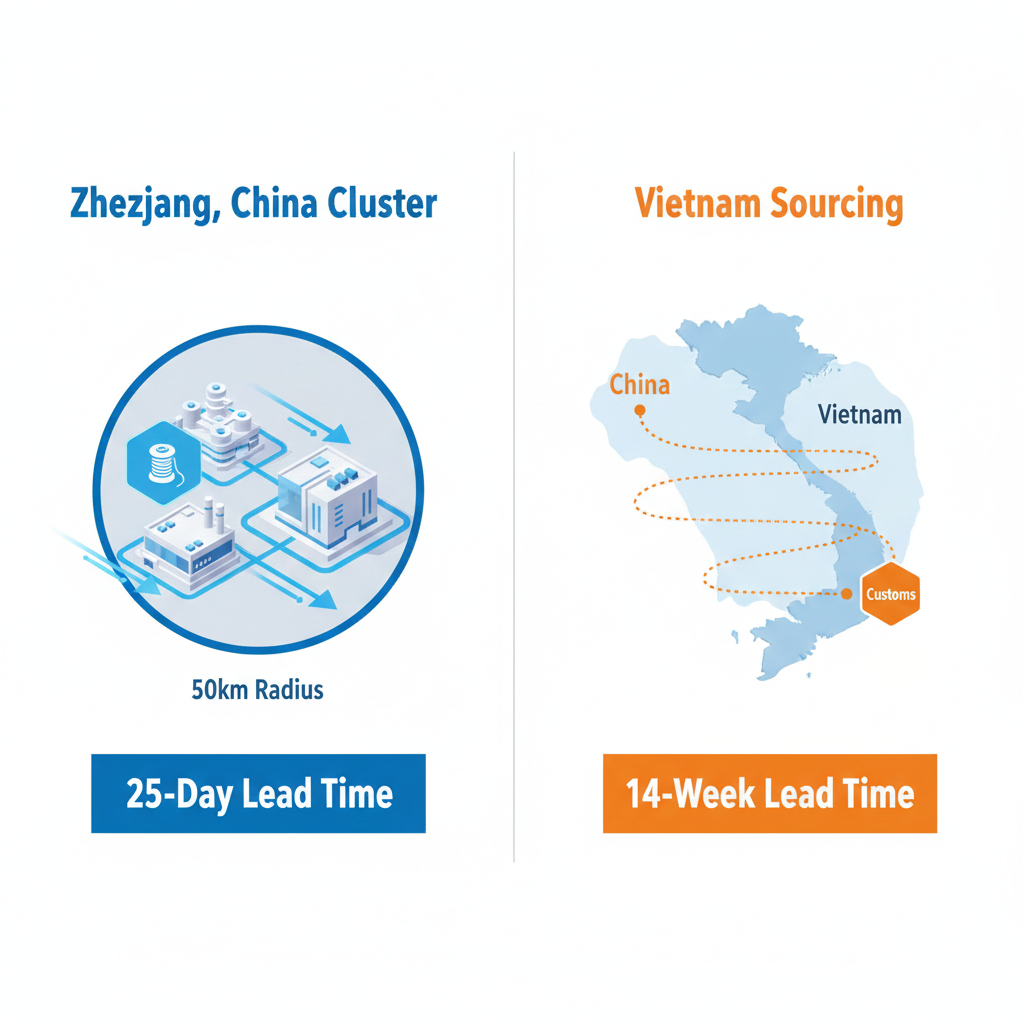
Abstract: De-risking Beyond Geopolitical Rhetoric While the "China Plus One" strategy is a popular topic in corporate boardrooms, the operational reality of 2026 reveals significant friction in alternative hubs like Vietnam. For B2B buyers of slippers (HS 6404.19.90), Vietnam has hit a "perfect storm" of capacity saturation, labor shortages, and material dependency. Ningbo Cotton Slipper […]