The main targets for this passage:
- Introduce the 8 main slipper-producing cities in China and their main slipper types.
| Pos. | City | Type of Slippers |
|---|---|---|
| 1 | Jinjiang, Fujian | All kinds of plastic slippers |
| 2 | Fuzhou, Fujian | EVA slippers |
| 3 | Jieyang, Guangdong | PVC slippers |
| 4 | Wuchuan, Guangdong | PVC/EVA slippers, flip-flops |
| 5 | Cixi, Zhejiang | Winter Slippers, especially for cotton slippers/seude slipper |
| 6 | Taizhou, Zhejiang | Leather slippers, gluing slippers, bootie slipper |
| 7 | Dingzhou, Hebei | EVA/PVC slippers |
| 8 | Shijiazhuang, Hebei | EVA/PVC slippers |
-
Background and advantages of each slipper production region
-
Some excellent slipper manufacturers from different regions
-
Help customers know where to find specific types of slippers in China.
=========================================================================================
City 1 – Jinjiang, Fujian
Background
Jinjiang is the most famous city in China for plastic slippers. with two production regions.
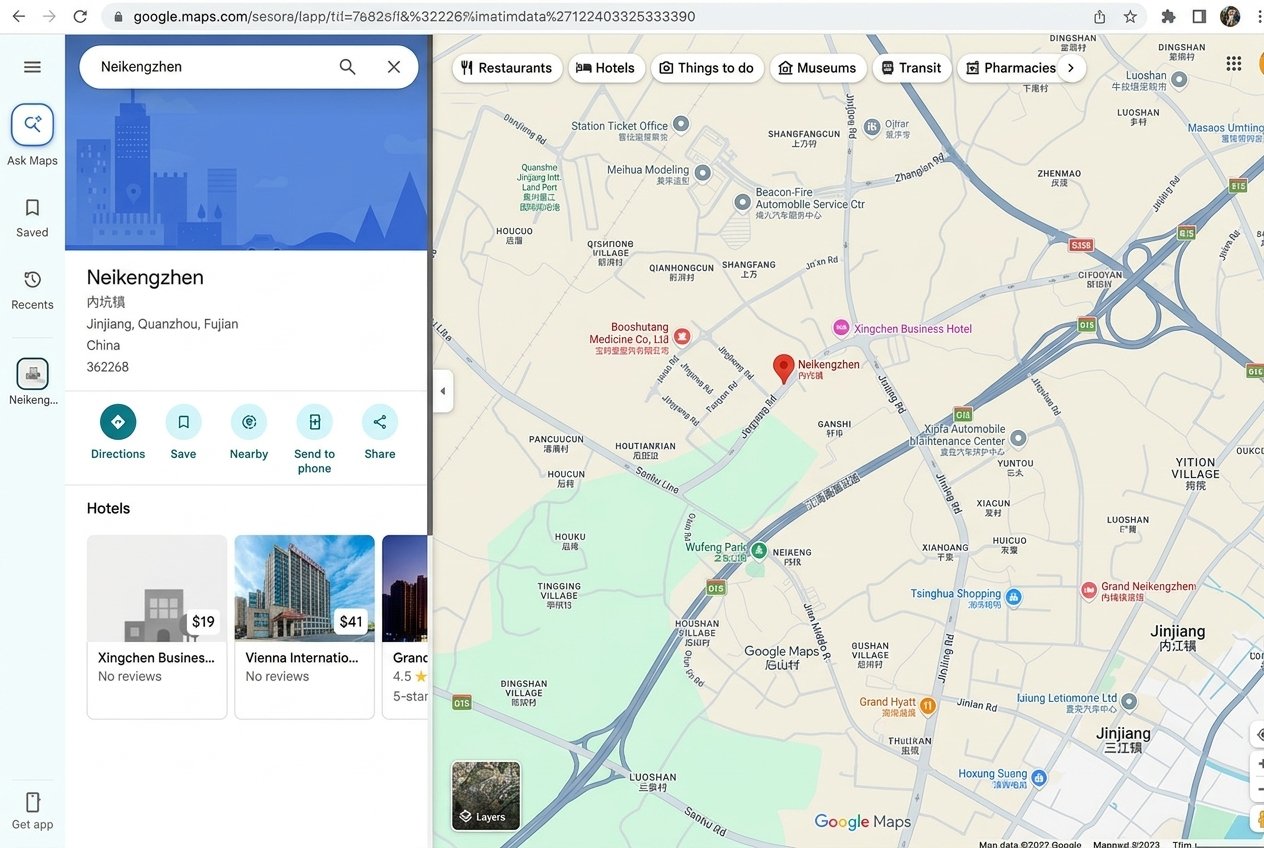
Region 1 – Neikeng town
Has the most complete slipper supply chain in Jinjiang, for example:
-
Production machines manufacturer – KCLKA Machine Manufacture Co., Ltd.
-
EVA raw material manufacturer – Fujian Jiayi New Material Technology Co., Ltd.
-
As well as many experienced workers for machine operation and packing.
-
There are more than 1,000 slipper factories in this area.

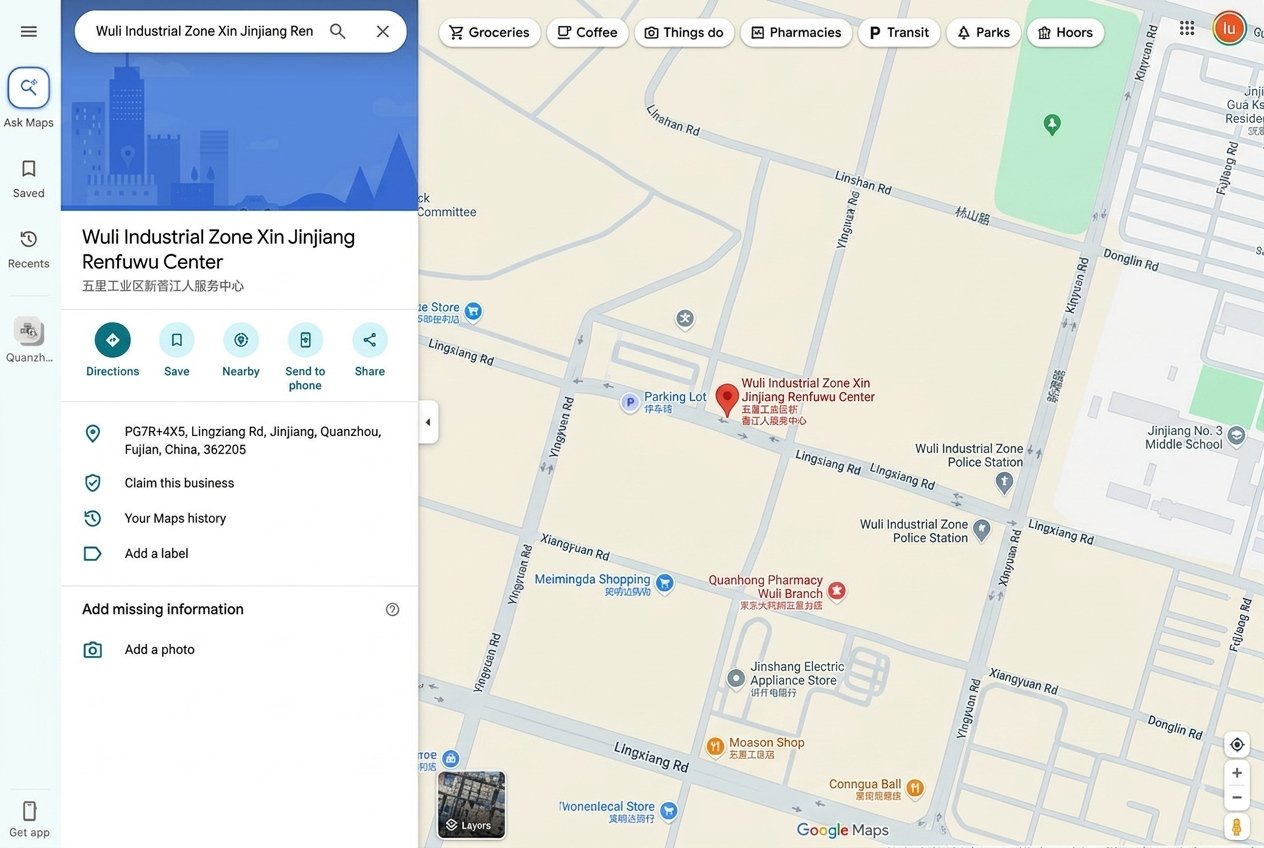
Region 2 – Wuli Industrial Zone
Wuli Industrial Zone is the second important slipper production zone in Jinjiang. -
It is a new production area with more large-sized, modern factories rather than small workshops.
-
Many factories have more than 30 injection machines
-
Some of them can reach an annual production capacity of around 15 million pairs.
-
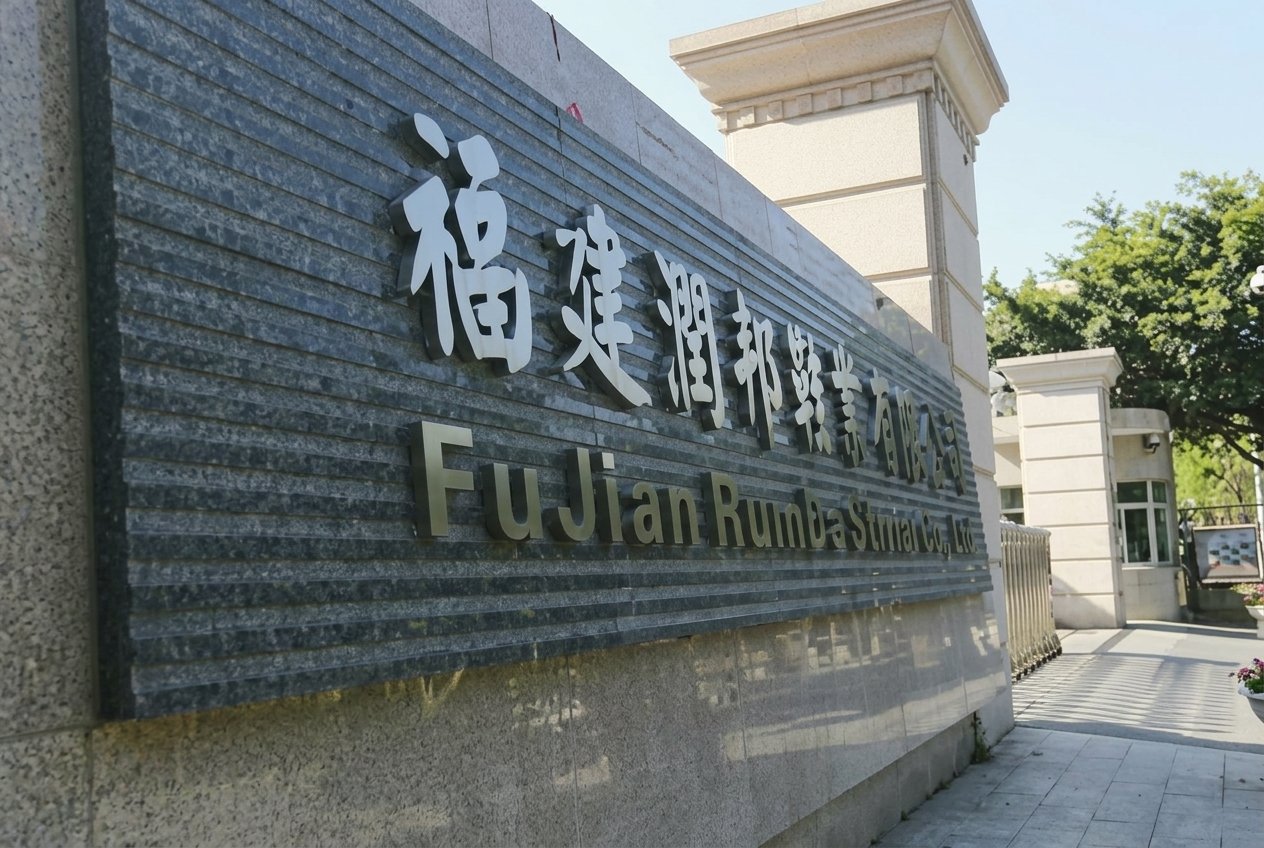
Typical manufacturers in this area include Fujian Runbang, Jing chang hong (it has strong vertical production capabilities, including EVA/PVC raw material granulation, slipper injection production, and in-house slipper tooling development).
Main slipper types
-
All kinds of plastic slippers
=========================================================================================
City 2 – Fuzhou, Fujian
Background
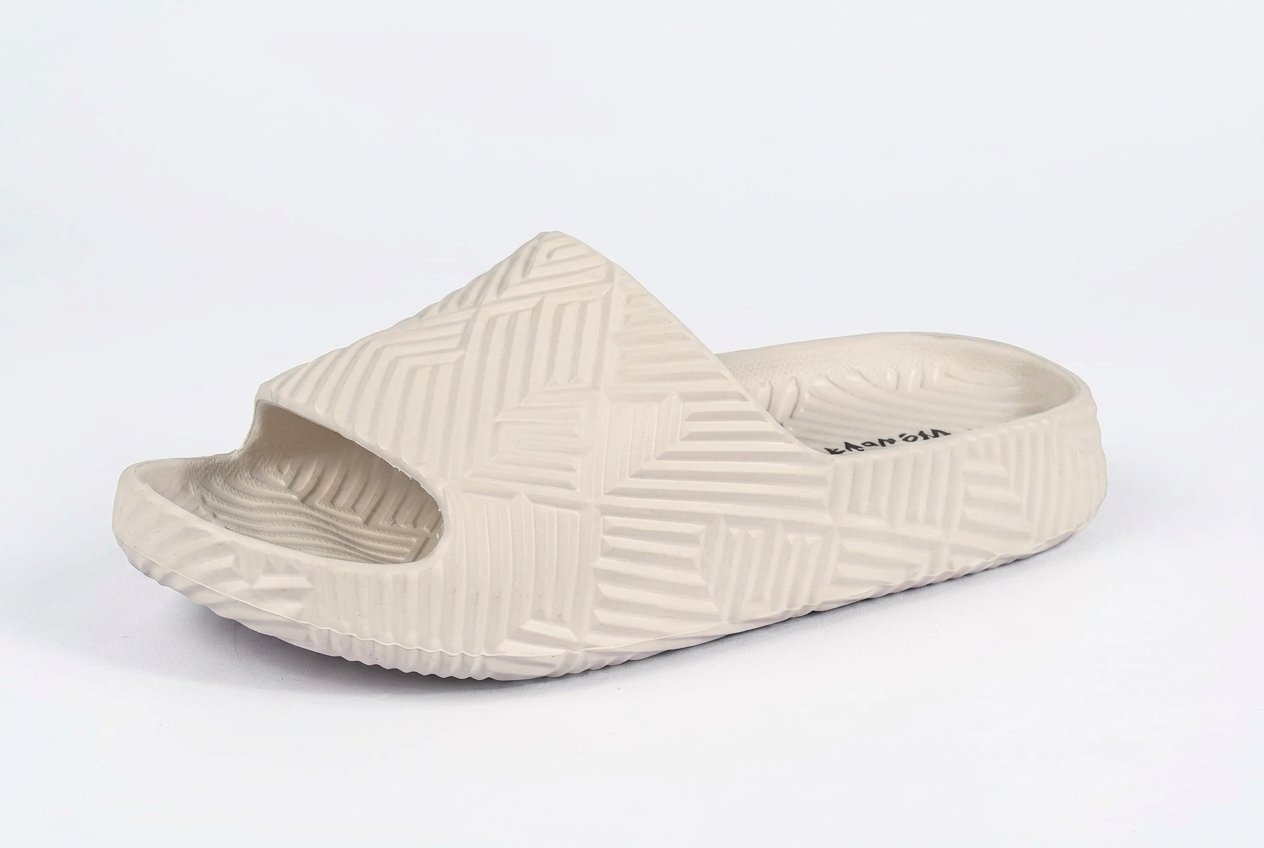
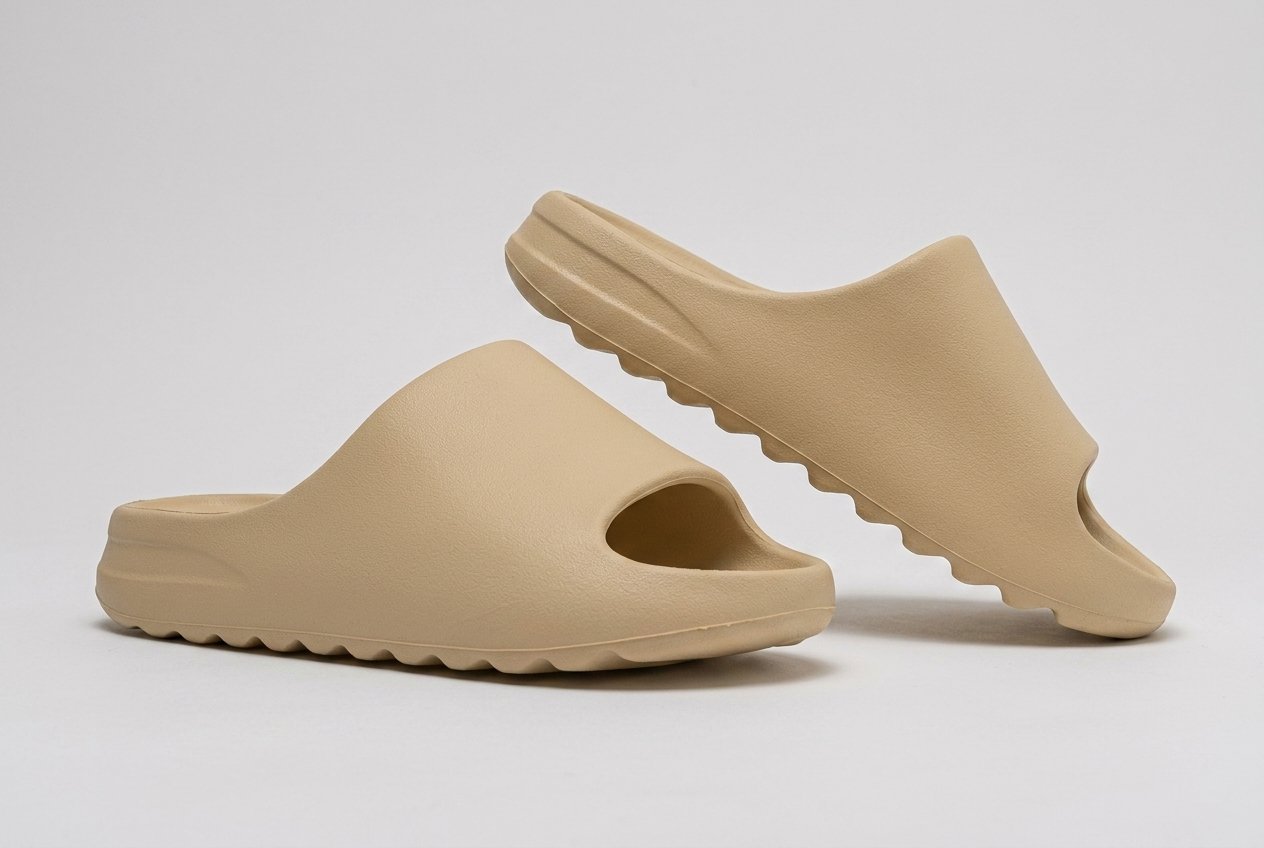
- Mainly focus on EVA slippers and is known for its extremely competitive prices.
- The minimum EXW price can be as low as around US$0.70–0.75 per pair
- Good option for e-commerce sellers who want to test the market with a lower budget.
Main slipper types
- EVA slippers
=========================================================================================
City 3 – Jieyang, Guangdong
Background
-
Has one of the longest histories of plastic slipper production in China, especially for PVC slippers.
-
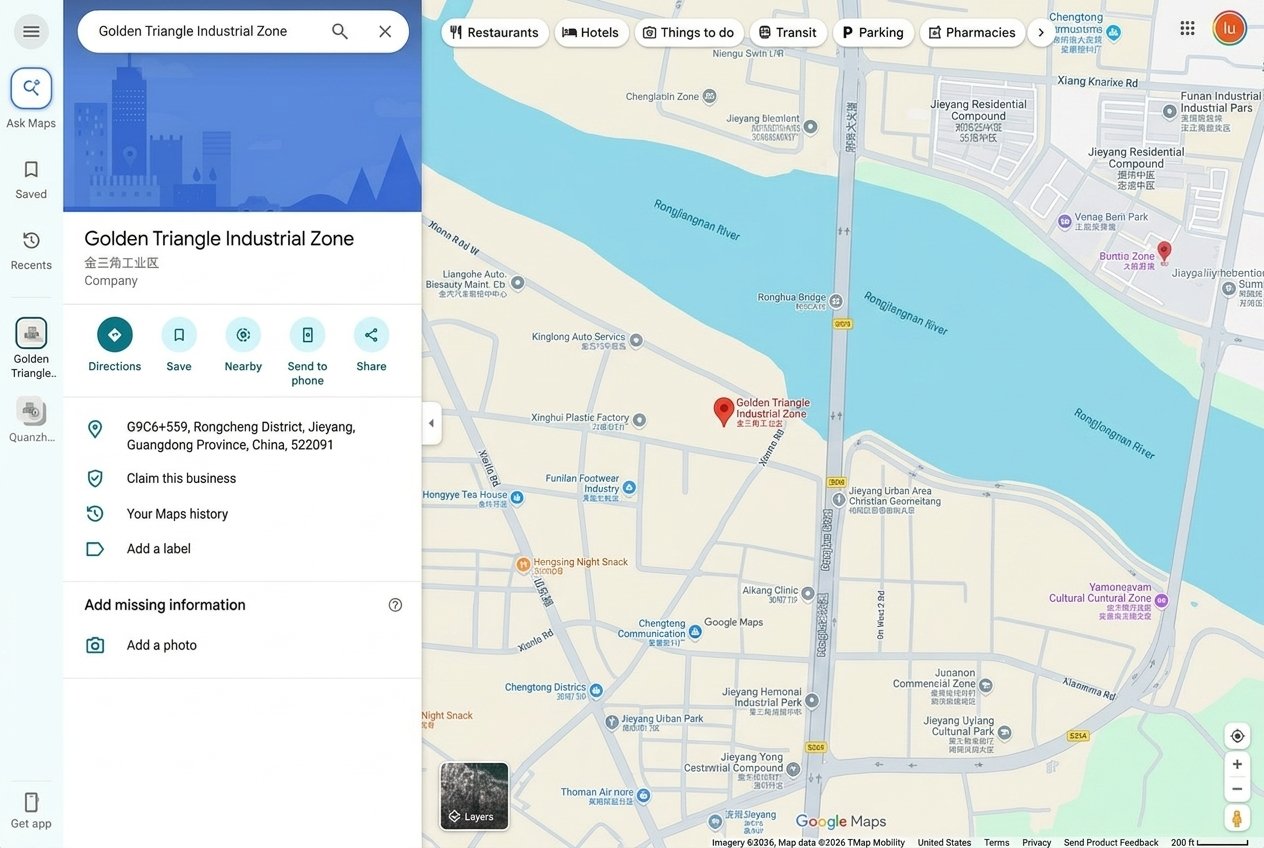
One of the key production areas is Xianqiao Jinsanjiao Industrial Area, where slipper factories are highly concentrated and located side by side.
-
As early as around 2009, many Chinese online sellers came to Jieyang to source plastic slippers and resell them on local e-commerce platforms such as Taobao and Tmall (similar to Amazon-style marketplaces)
-
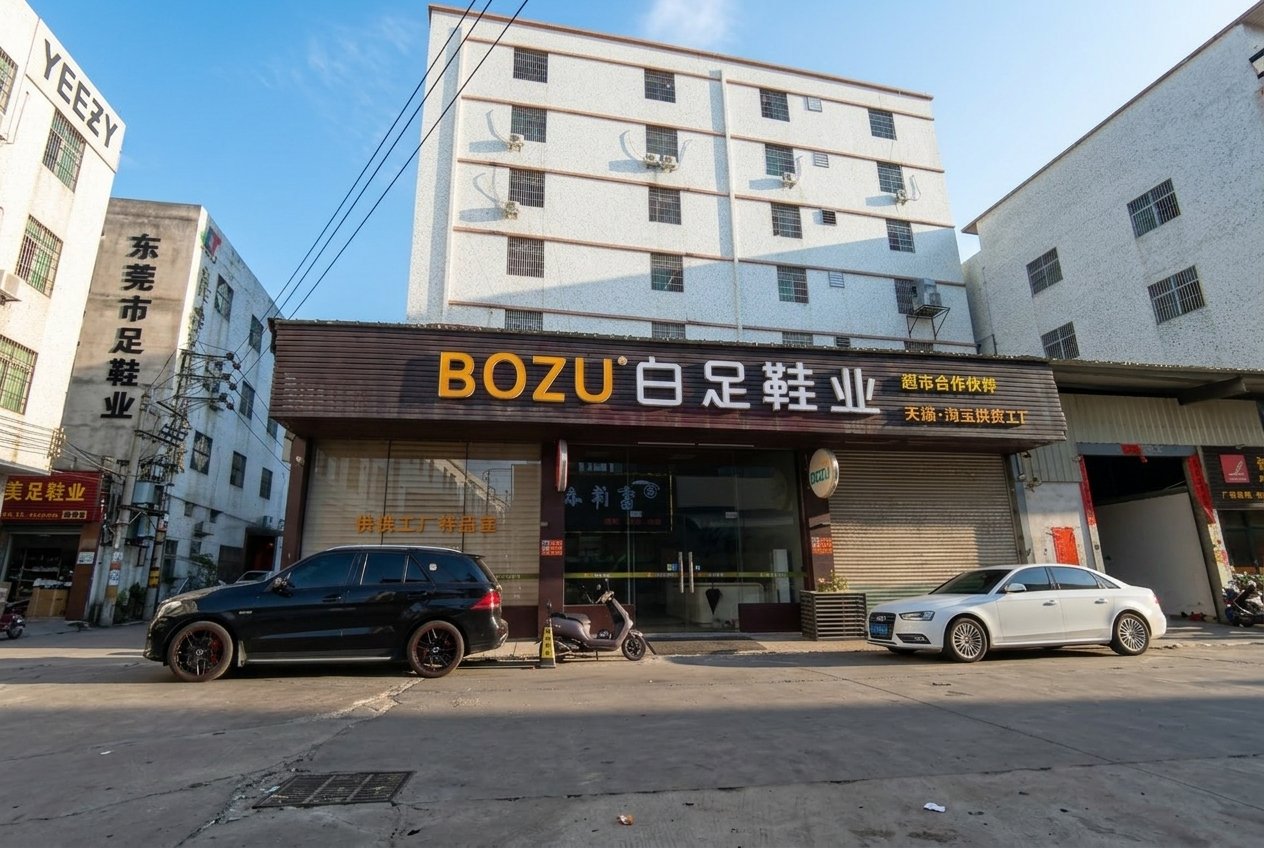
Typical manufacturers in this area include Jie yang huisheng, Jie yang bai zu
-
Many popular PVC slipper styles come from these two factories.
Main slipper types
- PVC slippers
=========================================================================================
City 4 – Wuchuan, Guangdong
Background
Known as the “Plastic Slipper Town” in China. Its slipper industry started mainly with PVC slippers, and Bopu Town is the core production area
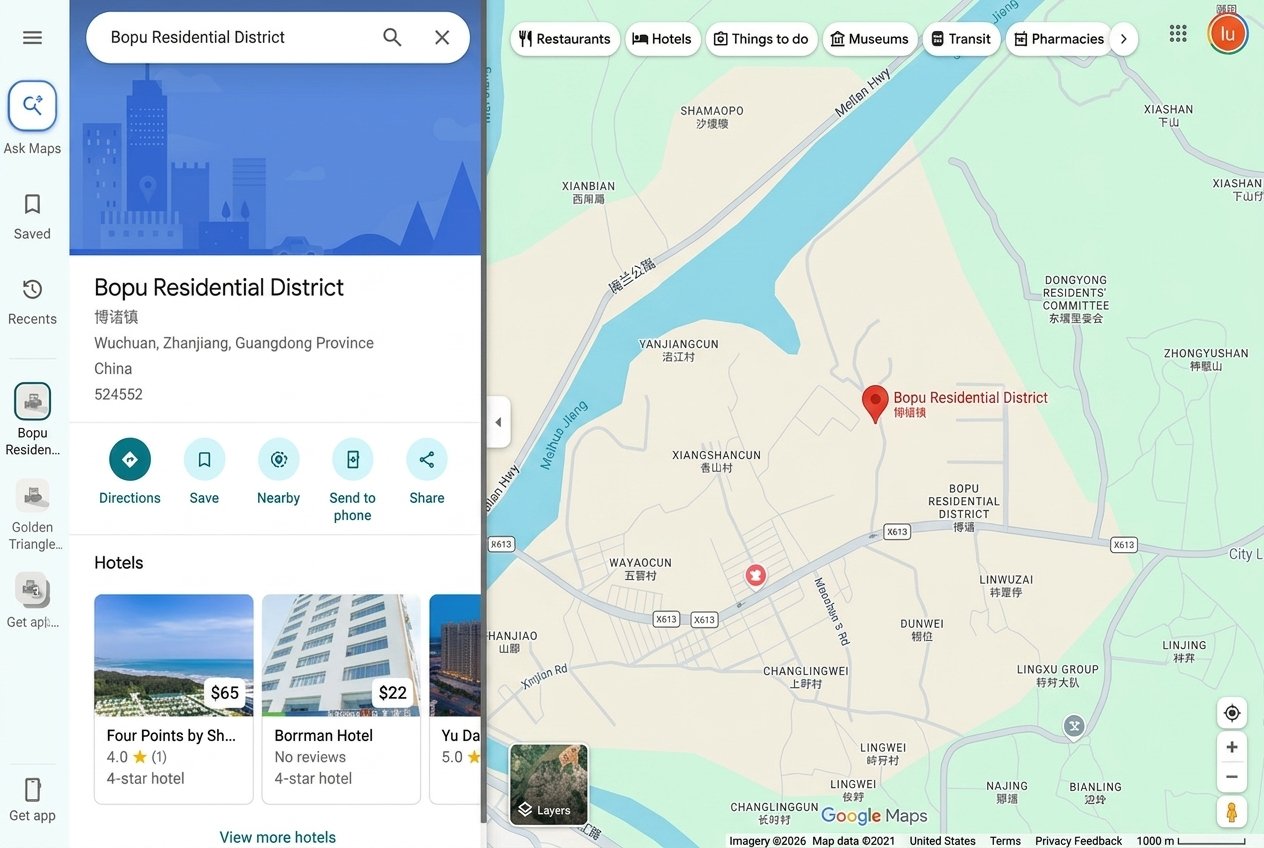
- As the original industrial zone has limited space, the local government has developed a new production area for larger-scale manufacturing.
- Typical factories include Quanxing Shoes, also known as Shanghai Shenhua Shoes, with 8 sample rooms and around 8,000 samples
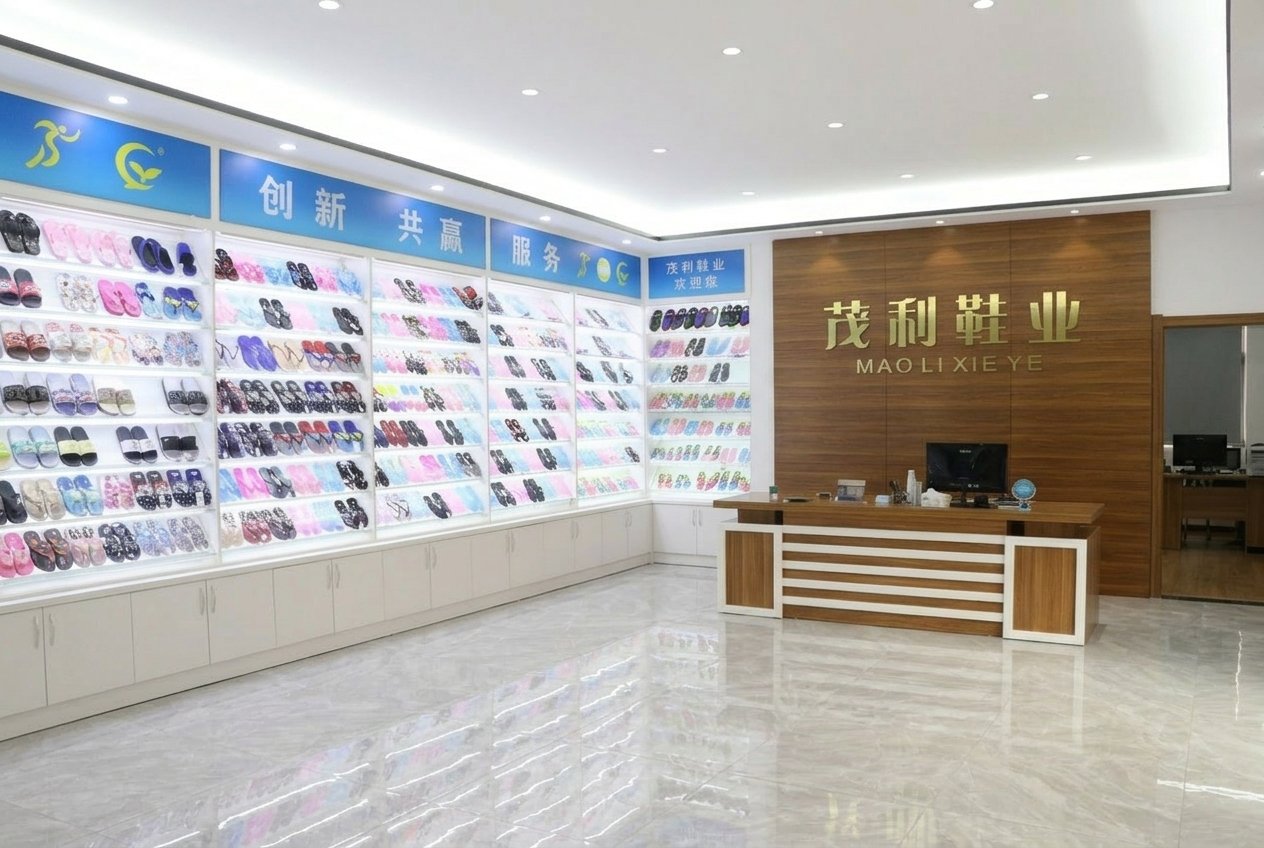
And Guangdong Maoli, which specializes in flip-flops with more than 10,000 styles on display.
Main slipper types
-PVC/EVA slippers, flip-flops
=========================================================================================
City 5 – Cixi, Zhejiang
Background
-
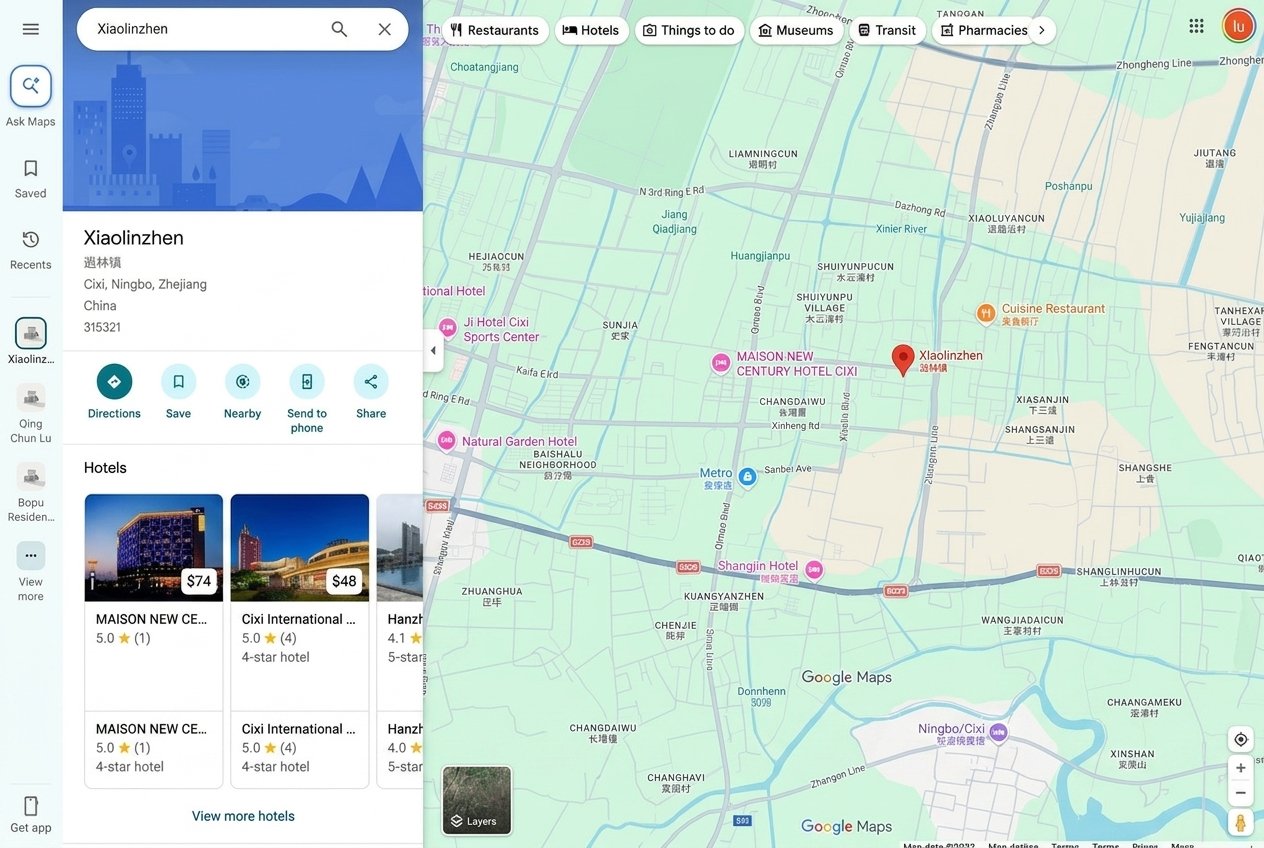
Production is in Xiaolin Town.
-
There is a Qiangchun Road, with around 523 display rooms in 2025. Behind each display room, there is a slipper factory.
-
Every year from August 1st to the end of September, these display rooms open for the peak ordering season. Customers can visit suppliers one by one along the same road.
-
Cixi’s biggest advantage is its complete nearby supply chain, including fabric cutting, soles, memory foam, and other supporting factories within about 20 km.
-
For urgent mass-production orders, materials are often ready within 1–2 days, and factories do not need to keep large raw material stocks.
Main slipper types
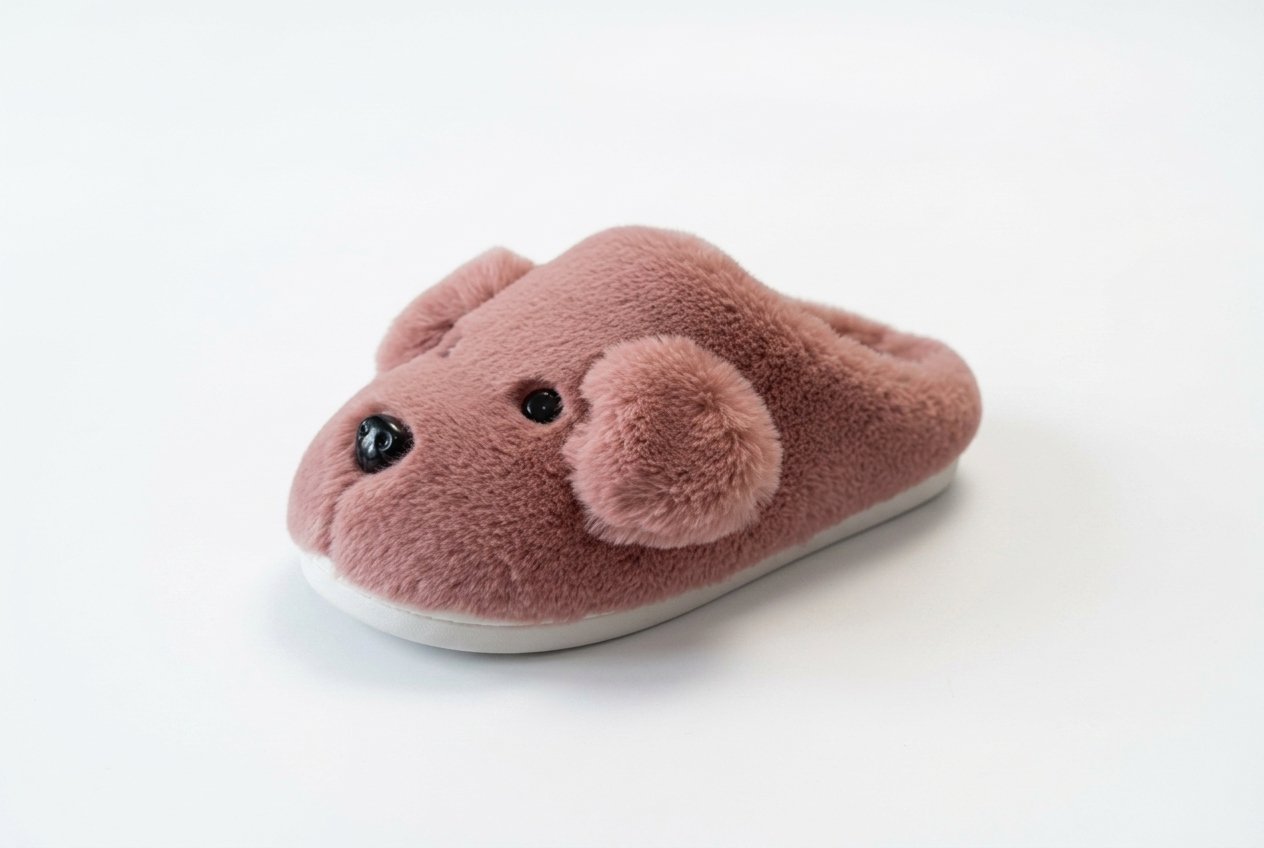
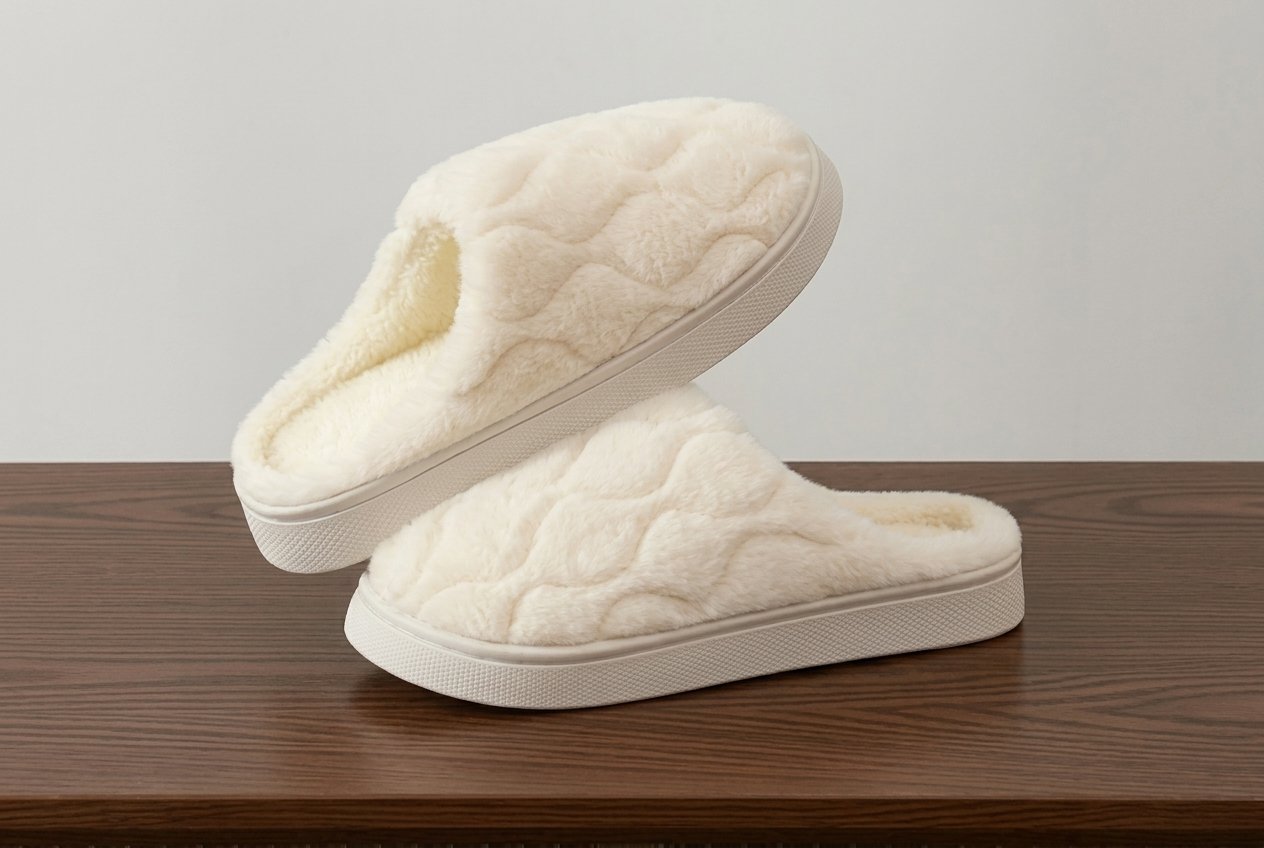
- Winter home slippers, especially for cotton slippers, suede slippers
=========================================================================================
City 6 – Taizhou, Zhejiang
Background
Taizhou’s slipper industry is closely connected with Wenling, a town mainly known for women’s leather shoes.
Because of this background, there are many skilled workers experienced in the gluing process, and many factories already have mature gluing production lines.
Since running a gluing production line is costly, factories usually arrange different products throughout the year to improve production efficiency.
In the first half of the year, they mainly produce glued furry slippers and glued leather shoes, while in the second half of the year, they focus more on glued winter cotton slippers.
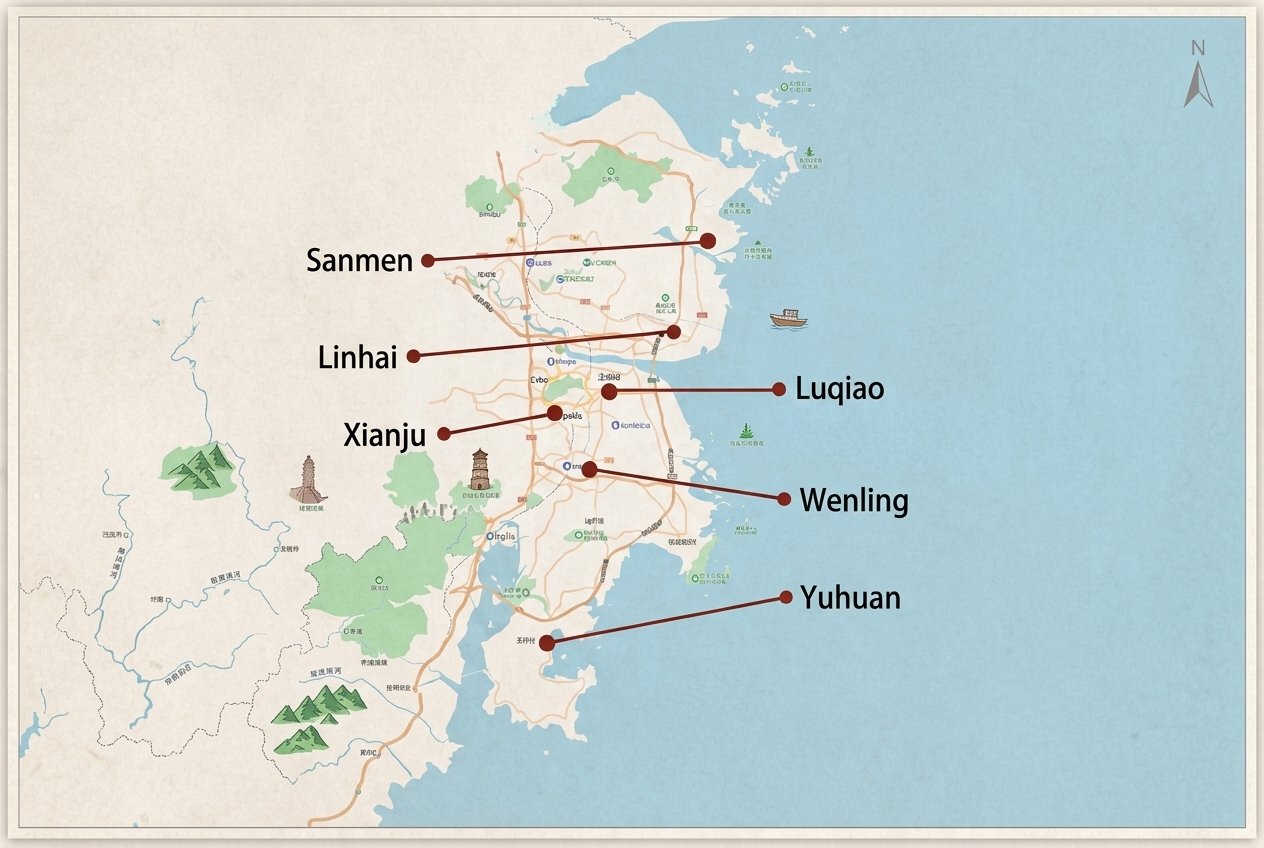
Totally, there are six areas in Taizhou for slipper production, including Sanmen, Linhai, Xianju, Luqiao, Wenling,Yuhuan
Main slipper types
-Leather slippers, gluing slippers, bootie slipper
=========================================================================================
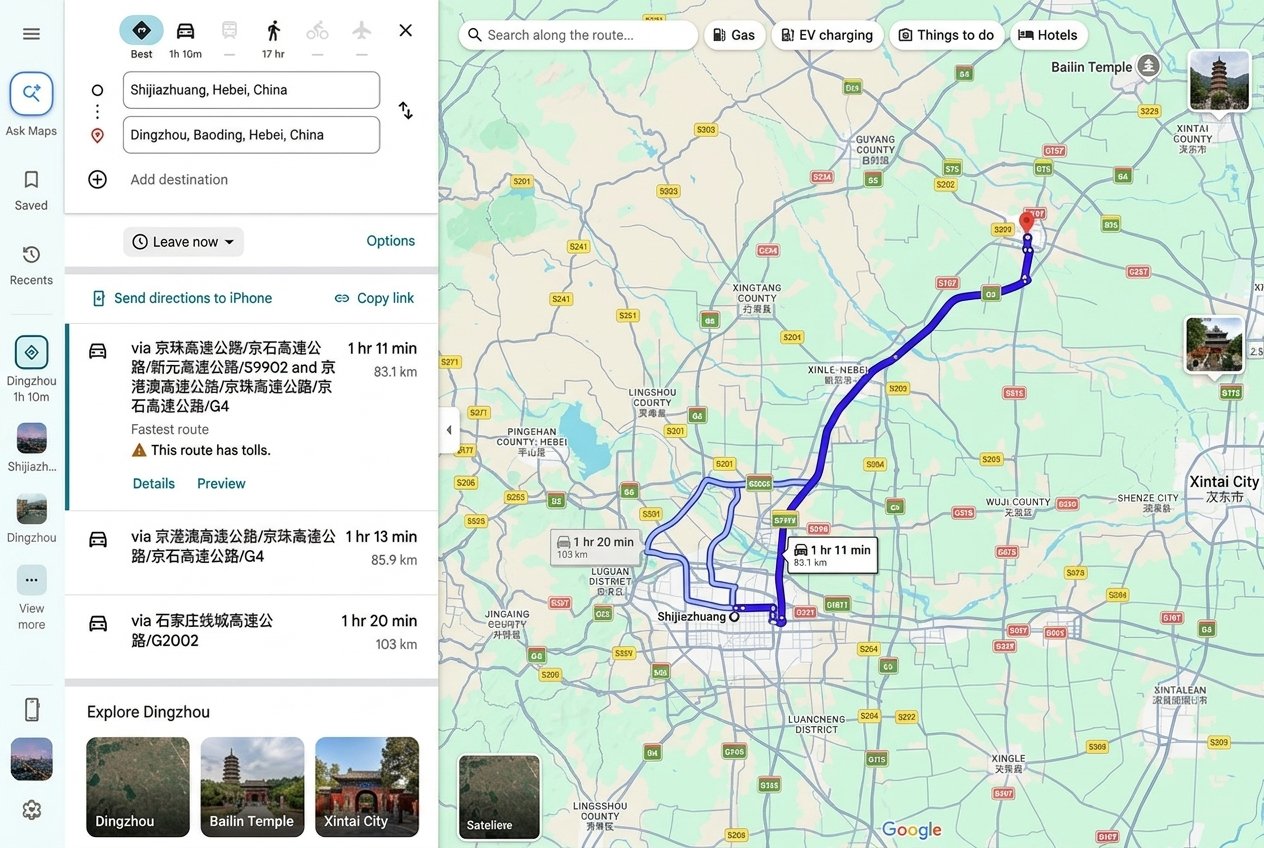
City 7&8 – Dingzhou & Shijiazhang
Background
Known for very aggressive prices in EVA and PVC slippers.
-
Reason 1: Hebei is located in northern China, where local labor costs are generally lower than in southern China.
-
Reason 2: Most slippers made in Hebei have simple designs and are mainly supplied to domestic sellers. With large domestic orders and centralized purchasing, factories can also get better material costs through bulk purchasing.
-
Reason 3: Hebei slippers are suitable for some Asian markets with less strict import requirements, such as Thailand and the Philippines. However, they are less common in European and U.S. markets, where buyers usually require product certificates, raw material compliance, factory audits, and other qualifications. Since many Hebei factories do not invest much in these extra compliance costs, their final product prices can be even lower.
Main slipper types
-
EVA/PVC slippers