
The slipper industry is booming, but understanding factors like repurchase rate is crucial for sustained success. Does this essential metric reveal the secret to lasting customer loyalty?
The average repurchase rate in the slipper industry hovers around 20-30%. This rate indicates customer retention and recurring business potential. A higher rate often signifies strong brand loyalty and satisfaction.

A customer buys slippers, likes them, and comes back for more. This scenario is the goal. Yet, how does one achieve that consistent return? Let’s delve deeper.
How is the Repurchase Rate Calculated?
Managing repurchases is daunting when you don’t know where to start. Do you have the formula down for calculating this key metric?
To calculate the repurchase rate, divide the number of customers who made multiple purchases by the total number of customers, then multiply by 100 to get the percentage. It’s essential for understanding customer loyalty.
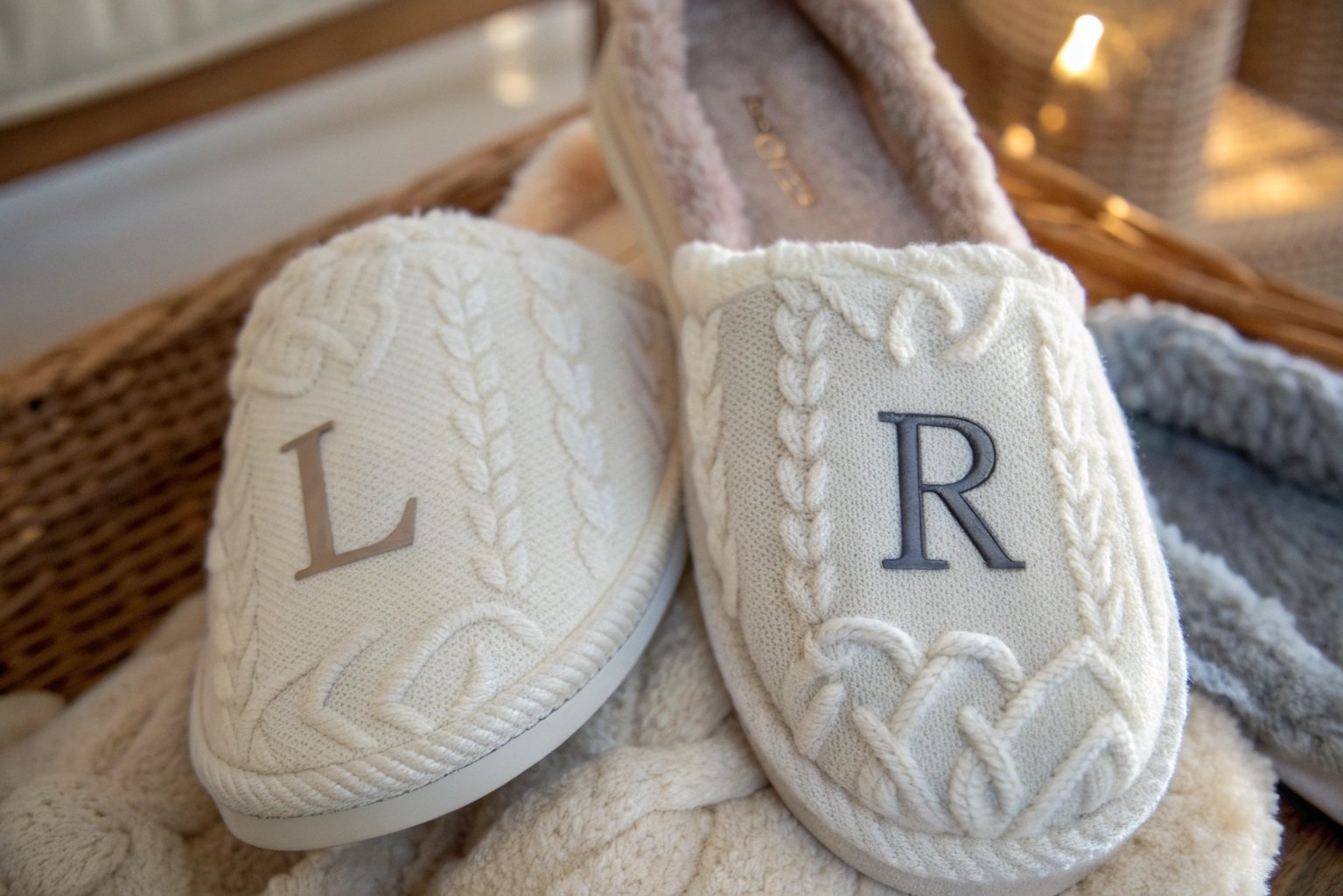
The repurchase rate formula provides insights into customer behavior and the effectiveness of your marketing strategies. It helps identify which strategies are effective and align them with customer expectations. Analyzing this data can lead to actionable insights, like focusing on personalized marketing for repeat buyers. It’s crucial to compare your rate against industry standards and adjust as needed. Striving for a rate closer to the upper 30% can be a competitive advantage.
Why is the Repurchase Rate Important?
Struggling to improve customer retention can hurt your business. How does focusing on repurchase rate impact your overall strategy?
Repurchase rate is crucial as it demonstrates customer satisfaction and loyalty. A higher rate suggests a strong brand presence, leading to sustainable business growth and better customer relationships. It’s an indicator of future profits.
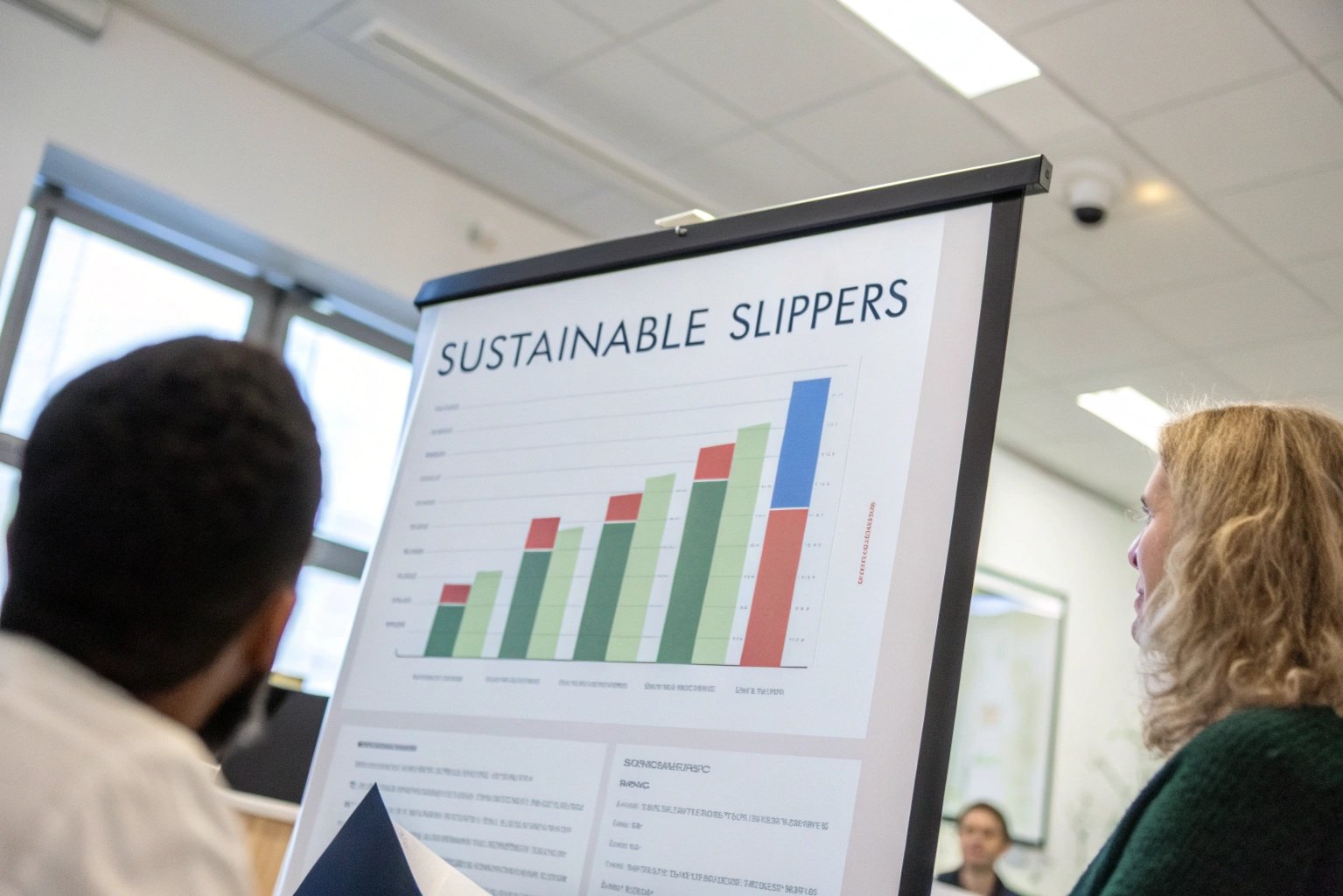
Understanding the importance of repurchase rates can reshape your strategies. A high rate not only signifies customer contentment but also cuts down on costs associated with acquiring new customers. It’s more cost-effective to nurture existing customers than to capture new ones. Regularly analyzing this rate can provide insights into customer preferences and trends. Companies should invest in quality, customer service, and relationship-building activities to ensure higher repurchase rates and sustainability.
What Factors Influence the Repurchase Rate?
Ever wonder why some customers never return? Understanding influential factors can make or break your business strategy.
Factors influencing the repurchase rate include product quality, pricing, customer service, and overall brand experience. A compelling mix of these elements drives customer loyalty and return rates. Adjusting these elements can significantly impact your repurchase rate.
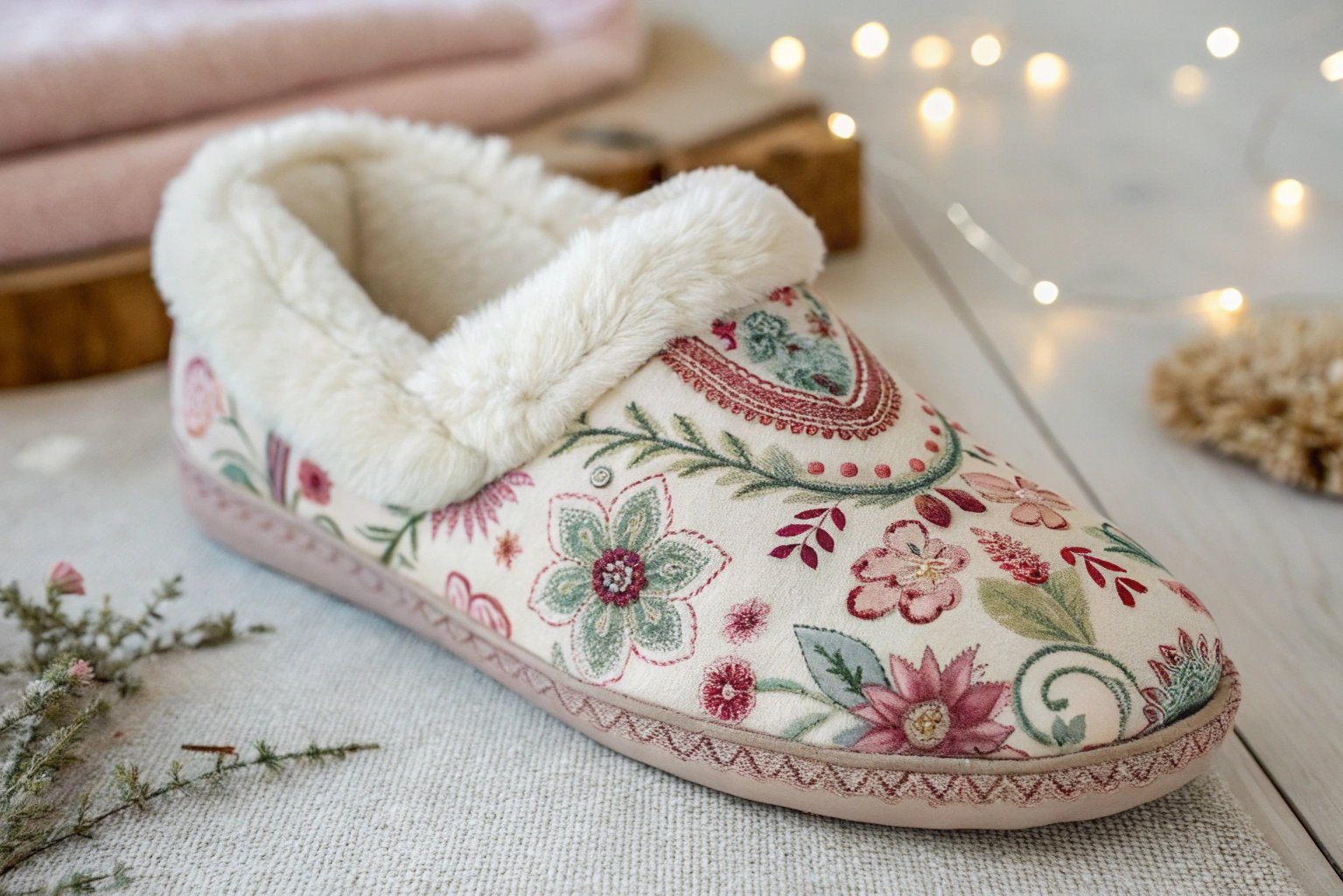
Each factor intertwines to form a comprehensive customer journey. High-quality products combined with reasonable pricing often encourage repurchases. However, the customer service experience plays an equally significant role. A seamless purchasing process marked by helpful support and positive interactions builds trust. Brand loyalty grows as a result. Effective marketing strategies, such as personalized communication and rewarding loyal customers, can further this loyalty. Constant evaluation of these aspects is critical. Keeping a balance between all these factors enables companies to enhance their repurchase rates substantially.
Strategies to Improve Repurchase Rate?
Curious about how to significantly improve your repurchase rates? Employing effective strategies can be the answer.
Improve repurchase rates by focusing on personalized communication, loyalty programs, superior customer service, and consistent product quality. Prioritize customer feedback to refine strategies consistently. These initiatives are proven to enhance customer retention.

A multi-pronged approach targets various customer touchpoints. Begin with personalized communication—customers appreciate it when brands acknowledge their preferences. Loyalty programs can incentivize repeat purchases by rewarding points or offering exclusive discounts. Exceptional customer service remains indispensable. Customers who feel valued are more likely to stay loyal. Consistently deliver high-quality products to meet expectations reliably. Additionally, leveraging customer feedback helps fine-tune strategies, allowing for a proactive approach to addressing issues. These measures cultivated collectively can lead to a significant boost in repurchase rates, ultimately contributing to sustained business success.
Conclusion
Understanding the repurchase rate in the slipper industry is essential. By leveraging key strategies, a company can improve retention and foster long-term customer loyalty.