
Are you tired of feeling guilty about your comfy slippers? Do you wonder if there’s a way to enjoy them without harming the planet? You’re not alone.
Yes, eco-friendly manufacturing processes for slippers can make a real difference by reducing waste, conserving resources, and minimizing pollution. By choosing slippers made with sustainable practices, we can lessen our environmental impact.
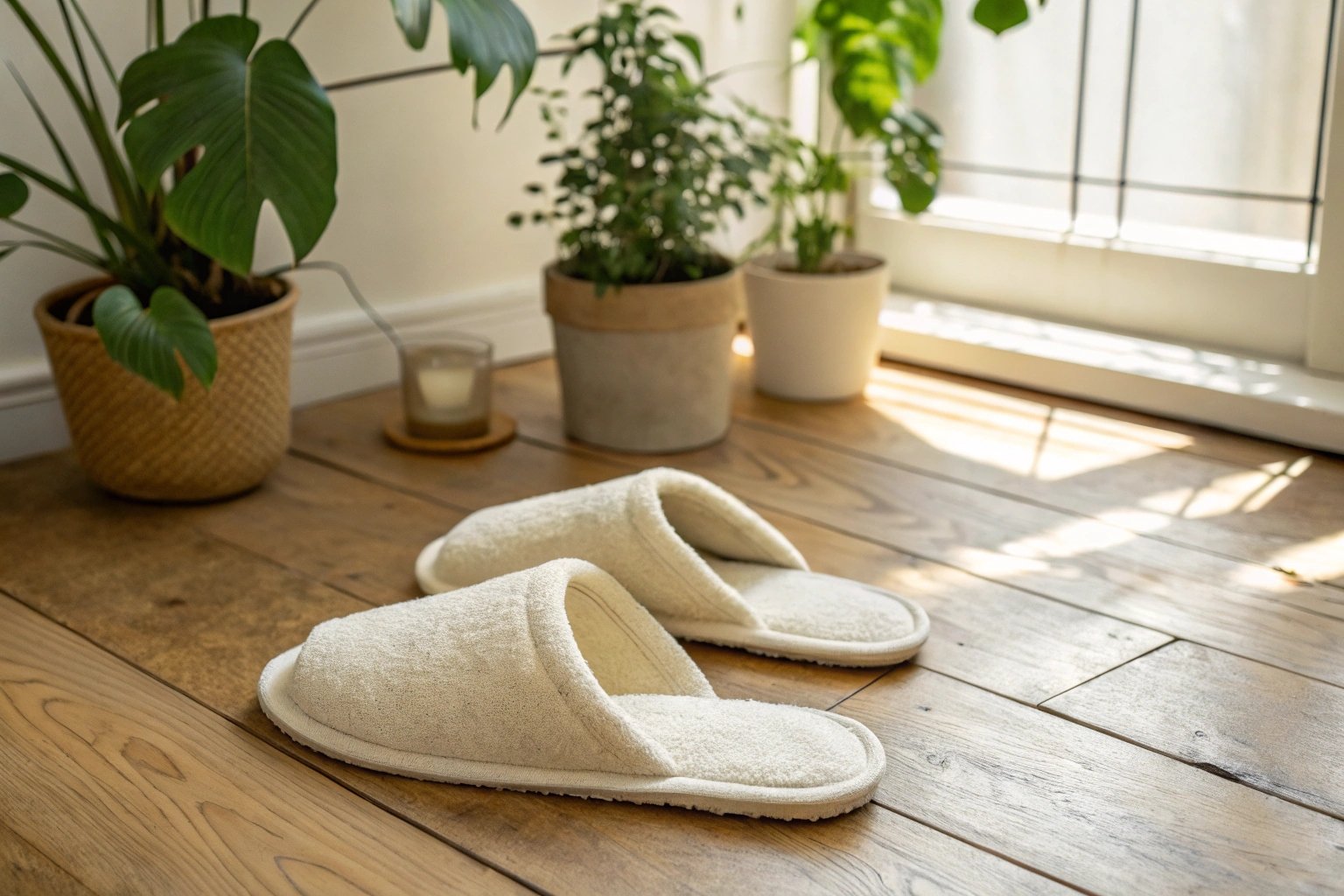
So, how do we turn the tide? Let’s dive into the world of sustainable slipper production. I will walk you through everything I’ve researched, but you have to keep reading!
What Materials Make Slippers Truly Eco-Friendly?
Are you wondering what your slippers are actually made of? It’s not always obvious, and some materials are much better for the environment than others.
Eco-friendly slippers typically use materials like recycled rubber, organic cotton, bamboo, and plant-based foams. These materials reduce reliance on virgin resources and minimize harmful chemicals in the production process.
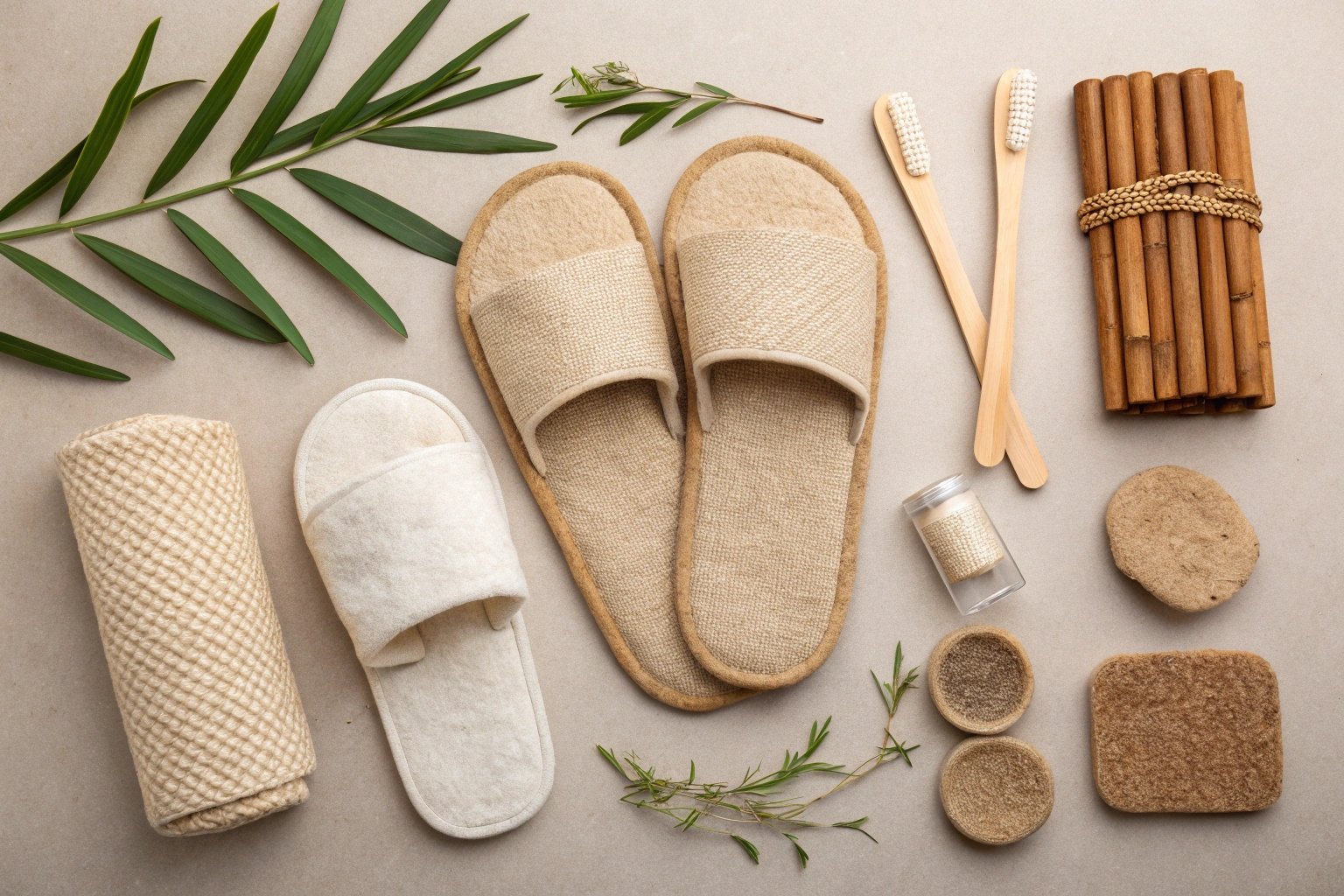
Let’s break down some of these materials a bit more. Organic cotton, for example, is grown without harmful pesticides and fertilizers, which protects ecosystems and farmworkers. Recycled rubber, often sourced from old tires, keeps waste out of landfills and reduces the need for new rubber production. Bamboo is a fast-growing, renewable resource that requires minimal water and no pesticides. Plant-based foams, derived from sources like soybeans or corn, are a biodegradable alternative to traditional petroleum-based foams.
Here is a quick look at a comparison table that highlights some of these differences:
| Material | Environmental Impact | Benefits |
|---|---|---|
| Conventional Cotton | High water usage, pesticide use, soil degradation | Soft, durable, widely available |
| Organic Cotton | Lower water usage, no pesticides, better soil health | Softer than conventional cotton, better for skin, supports sustainable farming |
| Recycled Rubber | Reduces landfill waste, lowers energy consumption compared to virgin rubber production | Durable, water-resistant, reduces reliance on fossil fuels |
| Virgin Rubber | Deforestation, habitat destruction, high energy consumption | Widely available, inexpensive |
| Bamboo | Fast-growing, renewable, low water and pesticide needs | Soft, breathable, naturally antibacterial |
| Petroleum-Based Foam | Non-biodegradable, relies on fossil fuels, can release harmful chemicals during production | Lightweight, cushioning, inexpensive |
| Plant-Based Foam | Biodegradable, renewable, reduces reliance on fossil fuels | Lightweight, cushioning, better for the environment than petroleum-based foam |
Choosing slippers made with these kinds of materials is a great first step!
How Can Manufacturing Processes Be More Sustainable?
Do you know what happens after the raw materials are selected? The manufacturing process itself can have a huge impact.
Sustainable slipper manufacturing includes reducing waste, using renewable energy, and implementing closed-loop systems. These practices minimize the environmental footprint of production.
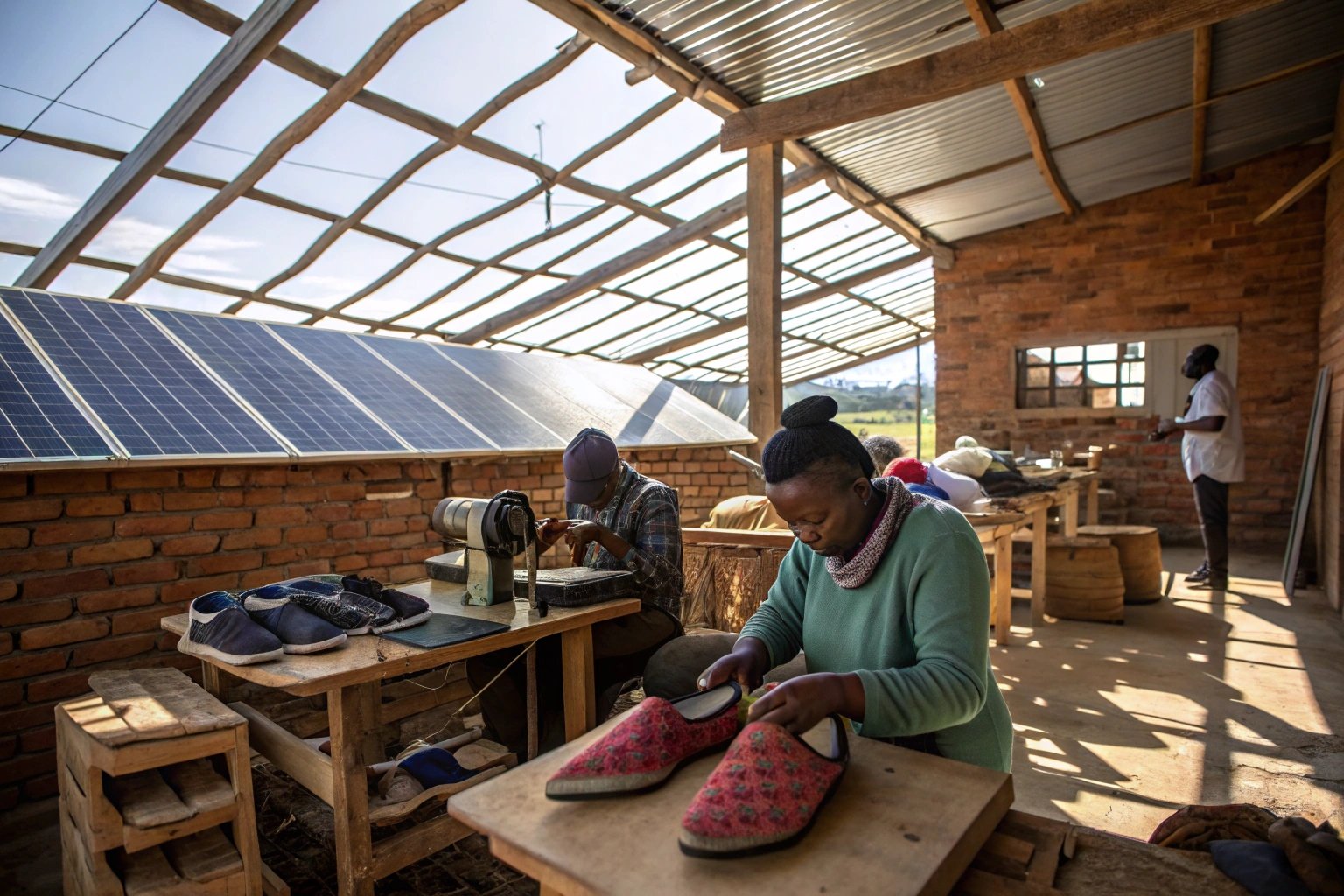
Let’s look at some specifics. Waste reduction can involve using precise cutting techniques to minimize fabric scraps, or recycling leftover materials back into the production cycle. Renewable energy, like solar power, can power factories, reducing reliance on fossil fuels. Closed-loop systems aim to eliminate waste by reusing and repurposing materials within the manufacturing process. Water conservation is another key aspect. For example, factories can use water-efficient dyeing techniques or recycle wastewater.
Let’s consider some examples. Imagine a slipper factory that uses solar panels to power its machines. This significantly reduces its carbon footprint compared to a factory that relies on coal-fired power. Or, picture a factory that collects and reuses water used in the dyeing process. This minimizes water waste and reduces the amount of polluted water released back into the environment. I think these details are something everyone should know.
Here’s a little story: I once visited a small slipper workshop in Italy. They were using vegetable-tanned leather and natural dyes. The owner explained that they composted all their leather scraps and used the compost to grow vegetables for their employees’ lunches. It was such a cool example of a closed-loop system!
What Certifications Should I Look For When Buying Eco-Friendly Slippers?
Are you feeling overwhelmed by all the choices? How do you know if a slipper is really eco-friendly?
Look for certifications like GOTS (Global Organic Textile Standard), OEKO-TEX, and Fair Trade. These certifications ensure that the slippers meet specific environmental and social standards.

Certifications act as a trusted third-party verification of a product’s sustainability claims. GOTS, for example, certifies that textiles are made with organic fibers and processed according to strict environmental and social criteria. OEKO-TEX certifies that products are free from harmful substances. Fair Trade ensures that workers are paid fair wages and work in safe conditions. When you see these logos on a product, you can be more confident that it meets certain standards.
You can think of certifications like a "seal of approval" for eco-friendliness. They provide transparency and accountability in the manufacturing process. Without these certifications, it can be difficult to know if a company’s claims are genuine.
Here’s a table summarizing some key certifications:
| Certification | Focus | What it means |
|---|---|---|
| GOTS | Organic textiles | The product contains a minimum percentage of certified organic fibers and meets strict environmental and social criteria throughout the entire supply chain. |
| OEKO-TEX | Absence of harmful substances | The product has been tested and certified to be free from harmful levels of over 100 substances known to be dangerous to human health and the environment. |
| Fair Trade | Fair wages and working conditions | The product was made by workers who were paid fair wages, worked in safe conditions, and had the right to organize and bargain collectively. |
| Bluesign | Sustainable textile production | The product was manufactured using sustainable practices that minimize environmental impact, conserve resources, and protect worker health and safety. |
| Cradle to Cradle | Circular economy | The product is designed to be reused, recycled, or composted at the end of its life, minimizing waste and promoting a circular economy. It assesses products based on material health, material reutilization, renewable energy, water stewardship, and social fairness. |
Choosing certified slippers is a way to support companies that are committed to sustainability and ethical practices.
Conclusion
Eco-friendly slipper manufacturing is totally achievable. It is about materials, processes, and transparency. By making informed choices, we can enjoy our comfy slippers while making a positive impact.