
Worried about the environmental impact of your slippers? The textile industry is a big polluter, and slipper production is part of that.
Slipper production can be more sustainable. Energy-saving and carbon-reducing technologies can make a big difference. These include using renewable energy, efficient machinery, and sustainable materials.
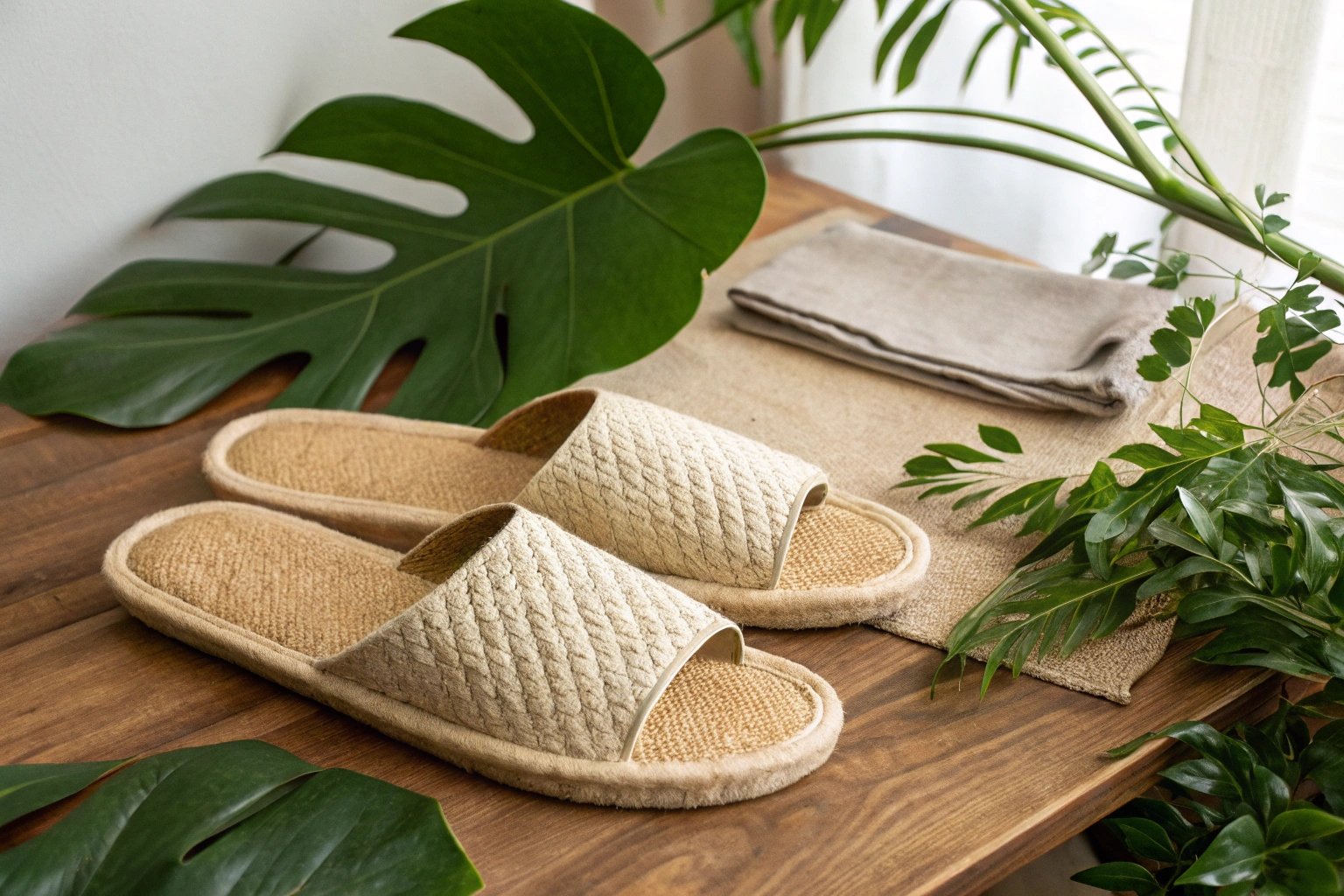
So, how can we reduce the environmental impact of slipper manufacturing? Let’s dive into specific technologies and strategies.
How can we reduce carbon footprint in textile industry?
Is your company actively looking to shrink its carbon footprint? The textile industry, including slipper production, faces pressure to be more sustainable.
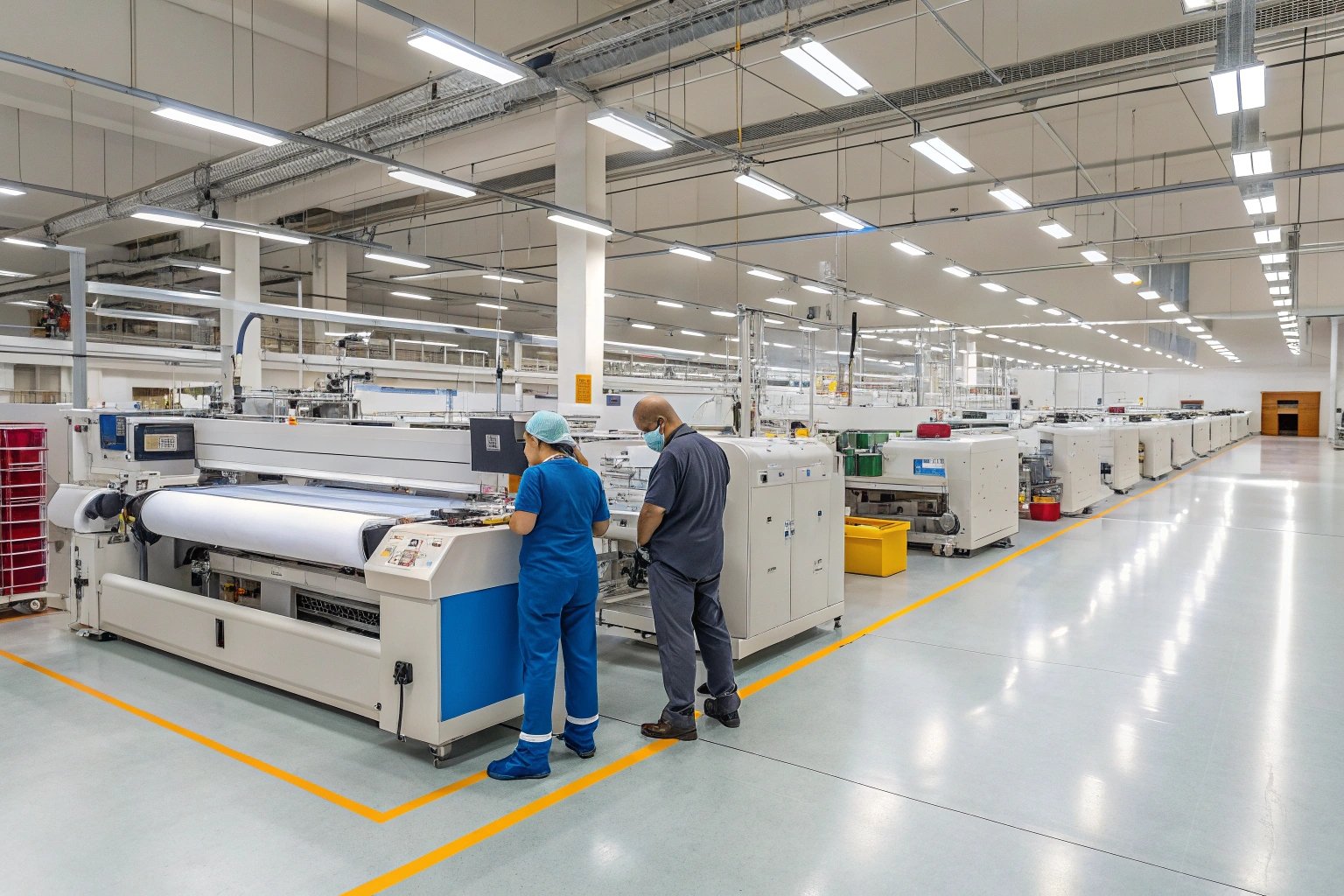
To cut our carbon footprint, textile companies, including slipper manufacturers, should adopt energy-efficient machines, use recycled and renewable materials, and invest in waste reduction and recycling programs.
Dive Deeper:
To really tackle the carbon footprint in the textile industry, it’s not just about one thing. It involves looking at every step of the process. Let’s break it down:
- Energy Efficiency: Old machines use a lot of power. Switching to new, energy-efficient models can cut energy use significantly. Also, things like LED lighting in the factory can make a difference.
- Sustainable Materials: Traditional materials like cotton need a lot of water and chemicals. Using recycled materials, like recycled polyester, or renewable materials, like bamboo, can reduce the environmental impact.
- Waste Reduction: Cutting waste is important. This means optimizing cutting patterns to use as much fabric as possible and finding ways to reuse or recycle scraps.
Here’s a table to illustrate some key strategies:
| Strategy | Description | Impact |
|---|---|---|
| Energy Efficiency | Upgrade to energy-efficient machinery, use LED lighting, improve insulation. | Reduced energy consumption, lower carbon emissions. |
| Sustainable Materials | Use recycled polyester, organic cotton, bamboo, or other renewable materials. | Reduced reliance on virgin materials, lower environmental impact. |
| Waste Reduction | Optimize cutting patterns, recycle fabric scraps, implement closed-loop production systems. | Reduced waste, lower resource consumption. |
| Water Conservation | Use water-efficient dyeing and finishing processes, recycle water, invest in water treatment technologies. | Reduced water usage, lower water pollution. |
| Renewable Energy | Install solar panels, use renewable energy sources for electricity and heating. | Reduced reliance on fossil fuels, lower carbon emissions. |
As Ningbo Cotton Slipper Co., Ltd., we are committed to continuously improving our processes. We are actively exploring ways to implement these strategies. We want to minimize our environmental impact and provide our customers with more sustainable slipper options.
Conclusion
Energy-saving and carbon-reducing technologies can make slipper production much more environmentally friendly. By implementing these strategies, we can minimize our impact.