
The UAE has become a global hub for trade and re-export, with Dubai and Abu Dhabi serving as gateways to the Middle East, Africa, and beyond. For importers of indoor, casual, and eco-friendly slippers1s], the market demands suppliers who can provide low MOQ2, fast delivery3, sustainable materials4, and OEM/ODM services5**.
This guide introduces four trusted slipper manufacturers in China6, highlights their strengths, and provides a practical Shipping & Compliance Guide7 and FAQs tailored for UAE buyers.
🏆 Comparison Table: Suppliers at a Glance
| Manufacturer | MOQ | Key Materials | Certifications | Lead Time | Export Experience | Notes |
|---|---|---|---|---|---|---|
| Ningbo Cotton Slipper Co., Ltd. | 500–1000 pairs | rEVA, rPET, bamboo fiber, organic cotton, cork, FSC packaging | ISO9001, ISO14001, BSCI, GRS | Stock 24h, bulk 30–45 days | UAE, Australia, Japan, Korea, Canada | 50–60K pairs in stock, 600K monthly capacity, strong OEM/ODM |
| Cixi Jianfang Shoe Factory | ~1000 pairs | Cotton slippers, bamboo fiber | Basic OEM | 30–40 days | Asia, Middle East | Focused on natural cotton/bamboo slippers |
| HYD SHOES | ~1000 pairs | Fashion & house slippers | OEM | 30–45 days | Middle East, Europe | Trend-oriented designs, custom focus |
| MYCHONLY | ~800–1200 pairs | Synthetic & fabric slippers | OEM | 30–40 days | UAE, Asia | Professional slipper maker with customized service |
🏭 Factory Profiles
1. Ningbo Cotton Slipper Co., Ltd.
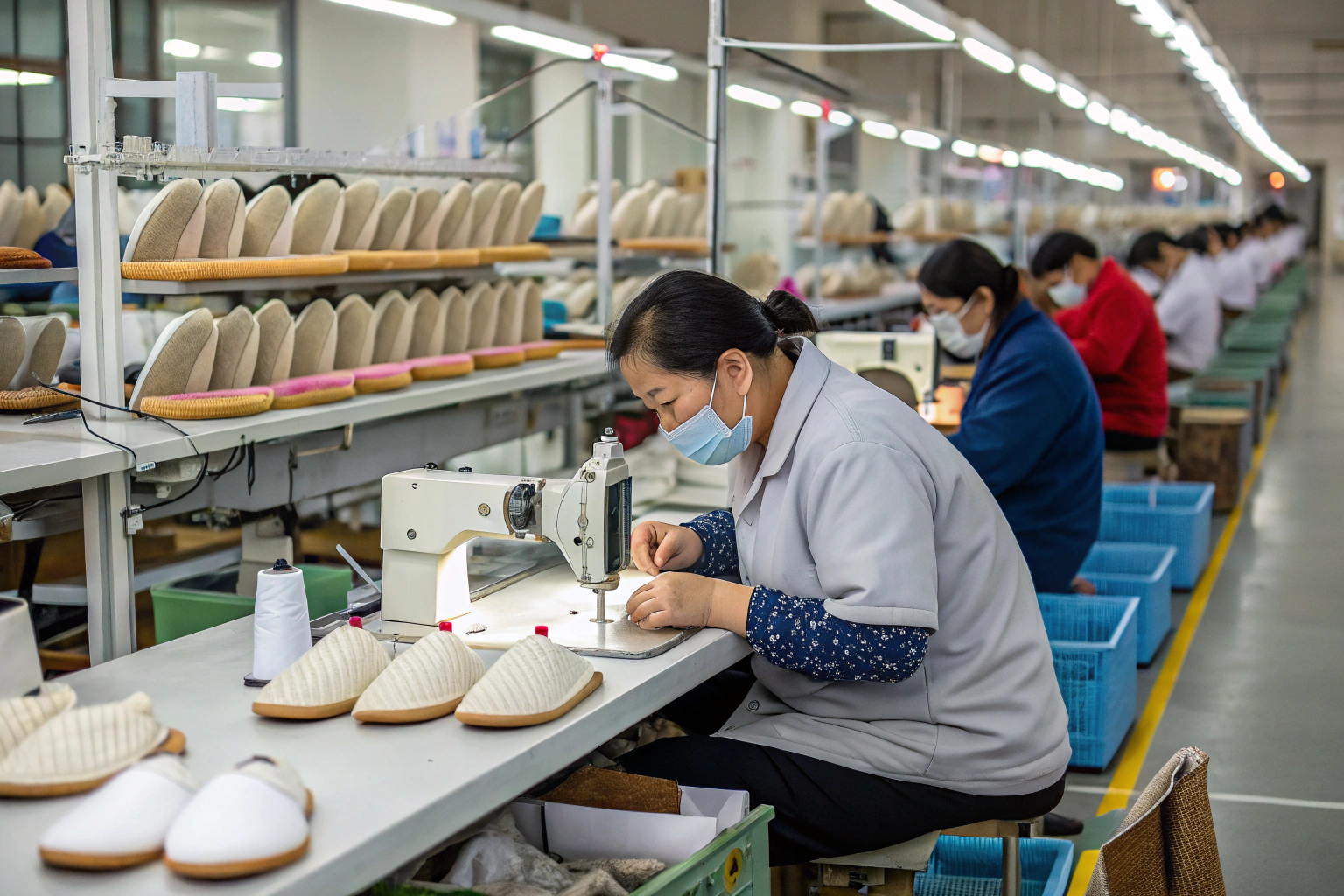
Ningbo Cotton Slipper Co., Ltd. is one of China’s leading eco-friendly slipper manufacturers, exporting to the UAE and other global markets. The factory offers low MOQ2s (500 pairs for simple models, 1,000 pairs for complex designs) and supports both small and large buyers with flexibility. With 600,000 pairs monthly capacity and 50,000–60,000 pairs in stock for 24-hour dispatch, it ensures reliable supply.
Its strength lies in sustainable materials4: rEVA (≥20% recycled), rPET (GRS-certified), bamboo fiber, organic cotton (GOTS-certified), cork soles, and FSC packaging. Certifications include ISO9001, ISO14001, BSCI, and GRS. The factory is ideal for OEM/ODM projects, private label brands, and importers seeking eco-conscious products.
2. Cixi Jianfang Shoe Factory
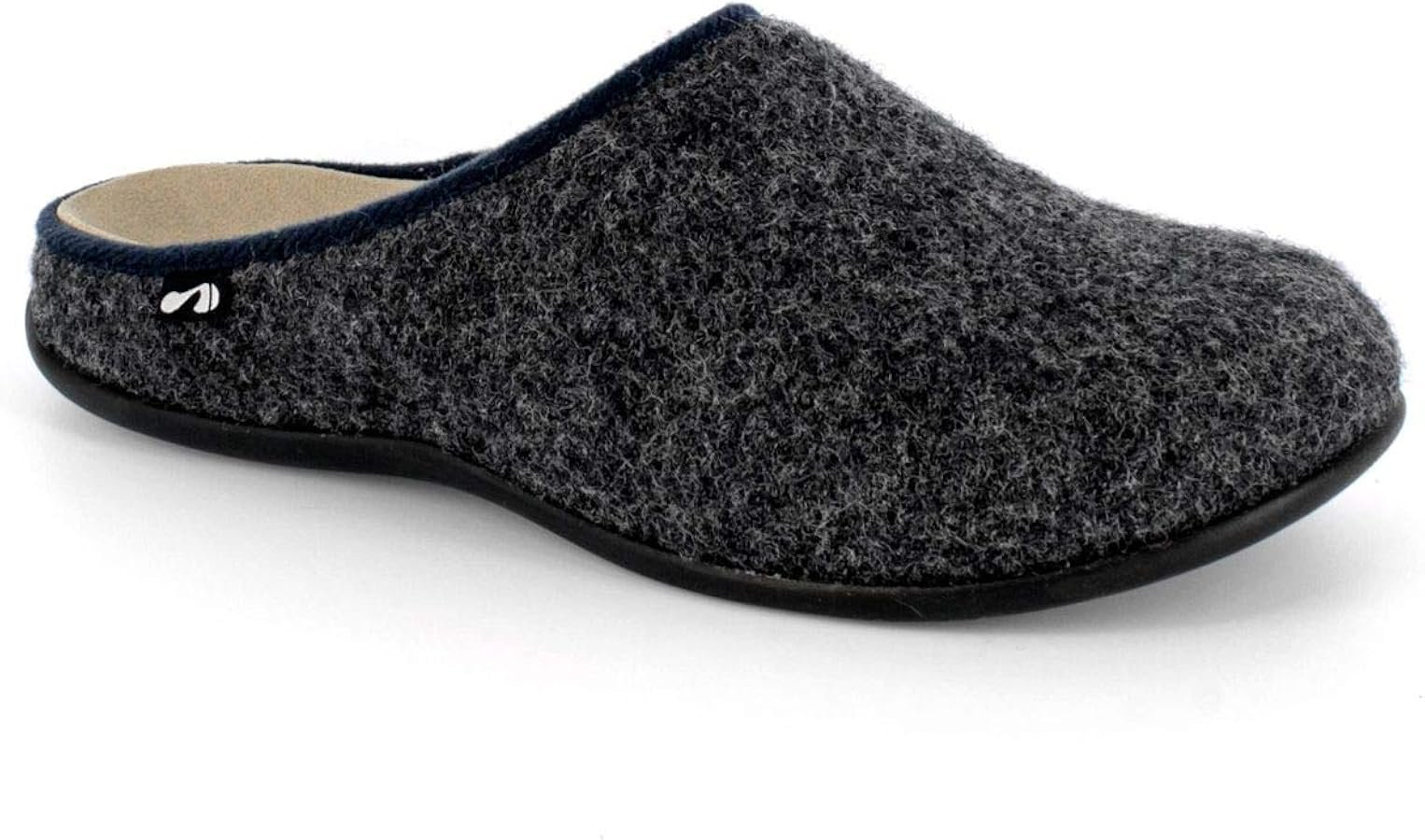
Located in Ningbo, Cixi Jianfang focuses on cotton and bamboo indoor slippers. Its products target buyers who value natural comfort at affordable prices. MOQ starts around 1,000 pairs, and production cycles are 30–40 days. The factory supports basic OEM requests and has export experience across Asia and the Middle East.
3. HYD SHOES
HYD SHOES manufactures house and fashion slippers, catering to importers who want trend-sensitive collections. The company emphasizes OEM customization, offering materials and design adjustments to fit brand requirements. It exports to the Middle East and Europe, with production lead times of 30–45 days.
4. MYCHONLY
MYCHONLY is a slipper manufacturer specializing in custom services. Its product line includes synthetic and fabric slippers. With MOQs starting from 800–1200 pairs, it appeals to small-to-mid sized buyers in the UAE. The factory supports private label packaging and branding, making it a practical partner for regional distributors.

📦 Shipping & Compliance Guide7 for UAE Importers
1. Main Entry Port & Free Zone Benefits
- Jebel Ali Port8 is the main gateway for slippers.
- As part of the Dubai Free Zone, importers can store goods duty-free until they enter the domestic UAE market or are re-exported.
- Many buyers use the UAE as a hub to ship onwards to Saudi Arabia, Qatar, Oman, and Africa.
2. Shipping Options: Sea vs. Air
- Sea Freight (FCL/LCL):
- Best for bulk orders; cheaper per unit.
- FCL suits larger orders; LCL suits smaller ones but may involve shared containers.
- Air Freight:
- Faster (about 7–10 days transit).
- Higher cost but ideal for urgent replenishment or product launches.
👉 Tip: Many importers use sea for bulk + air for urgent top-ups.

3. Documentation Required
- Commercial Invoice (CI): Must specify product type (e.g., “indoor slippers, textile upper”).
- Packing List (PL): Lists carton breakdown, dimensions, and weight.
- Certificate of Origin (CO): Confirms goods are made in China.
- Bill of Lading (B/L): Transport document.
- Optional: Test reports (e.g., slip resistance9, color fastness10) for higher-end retailers.
4. Packaging & Labeling
- Cartons must show: product description, quantity, “Made in China”, weight, handling marks.
- Retailers may require EAN/UPC barcodes.
- Eco-packaging (FSC cartons, soy ink printing, plastic-free) is gaining popularity.
5. Quality Standards & Testing
- Slip Resistance (EN ISO 13287): Ensures safety on tiled/marble floors.
- Color Fastness: Prevents staining.
- Material Safety: Required for re-export to EU/US (REACH, Prop 65).
6. Pitfalls for New Importers
- Forgetting to align carton size with freight cost calculations.
- Ignoring seasonal peaks (Ramadan, Q4 holiday rush).
- Confusing hotel slippers (disposable) with durable indoor slippers during customs classification.
- Underestimating storage fees in Free Zones.
❓ In-Depth FAQs
Q1: What is the realistic MOQ for custom slippers?
500–1000 pairs depending on complexity. Premium eco-materials may require higher MOQs.
Q2: Can I mix sizes and colors in one order?
Yes. Sizes can be split (S/M/L) and 2–3 colors are usually allowed under one MOQ.
Q3: How do I calculate the landed cost in Dubai?
Include Ex-Factory Price + Freight + Insurance + Customs Duty + VAT + Handling Fees. Jebel Ali Free Zone allows duty-free storage until goods are sold locally.
Q4: How long does it take from order to store shelf?
8–10 weeks including sample approval, production, shipping, and clearance.
Q5: What certifications matter for UAE imports?
ISO9001, ISO14001, BSCI, GRS, and GOTS for organic cotton. Major retailers may ask for third-party audits (SGS, Intertek).
Q6: How do I ensure quality consistency?
Request Pre-Production Samples, require QC reports, and arrange third-party inspection before shipment.
Q7: What mistakes do first-time buyers make?
Ordering too many SKUs, not checking carton CBM, ignoring seasonality, or failing to register an importer code with UAE customs.
Q8: Can I order bilingual packaging11 (Arabic/English)?
Yes. Factories can print bilingual labels if translations are provided. This is important for re-exports to Saudi/Qatar.
Q9: Sea vs. Air Freight — which should I choose?
Sea is best for bulk; air is best for urgent or small test orders. Many importers use a mix (e.g., 80% sea, 20% air).
Q10: What are the standard payment terms?
30% deposit + 70% before shipment is standard. Long-term clients may negotiate LC or OA.
Q11: Do factories provide marketing support?
Yes. Many offer product photography, packaging templates, and mockups for e-commerce.
Q12: Are eco-friendly slippers12 really in demand in the UAE?
Yes. Online platforms (Noon, Namshi) and lifestyle retailers are increasing eco product categories. rPET, bamboo, and organic cotton slippers stand out in premium positioning.
🚀 Conclusion & Call to Action
For UAE importers, slippers represent a growing product category where low MOQ2, fast supply, and eco-friendly materials are increasingly valued. Among the factories listed, Ningbo Cotton Slipper Co., Ltd. is the most flexible and well-certified partner, combining sustainable materials4, low MOQ2, and fast shipping.
👉 Contact us today to request your 48-hour sample plan and learn how we can support your UAE business with certified, eco-friendly, and low-MOQ slippers.
-
Explore this link to find top suppliers that meet the growing demand for eco-friendly footwear. ↩
-
Understanding low MOQ can help you make informed decisions when sourcing slippers for your business. ↩ ↩ ↩ ↩
-
Learn strategies to secure quick shipping times from manufacturers to meet your business needs. ↩
-
Discover the advantages of sustainable materials and how they can enhance your product offerings. ↩ ↩ ↩
-
Gain insights into how OEM and ODM services can help customize your slipper designs. ↩
-
Find reliable manufacturers in China to ensure quality and compliance for your slipper imports. ↩
-
A comprehensive guide can streamline your import process and ensure compliance with regulations. ↩ ↩
-
Explore the advantages of Jebel Ali Port as a key entry point for your slipper shipments. ↩
-
Learn about the significance of slip resistance in ensuring safety for your customers. ↩
-
Understanding color fastness can help you maintain product quality and customer satisfaction. ↩
-
Bilingual packaging can improve market reach and customer engagement in diverse regions. ↩
-
Explore the growing trend of eco-friendly products and how they can benefit your business. ↩