
Slipper odor is an unpleasant problem many people face. If not addressed, it can become a health issue.
To eliminate slipper odor, first, clean them regularly. Use a mixture of water and vinegar to wipe them down. Then, allow the slippers to air out in a well-ventilated space. Regular exposure to sunlight can further help eliminate bacteria and odors.
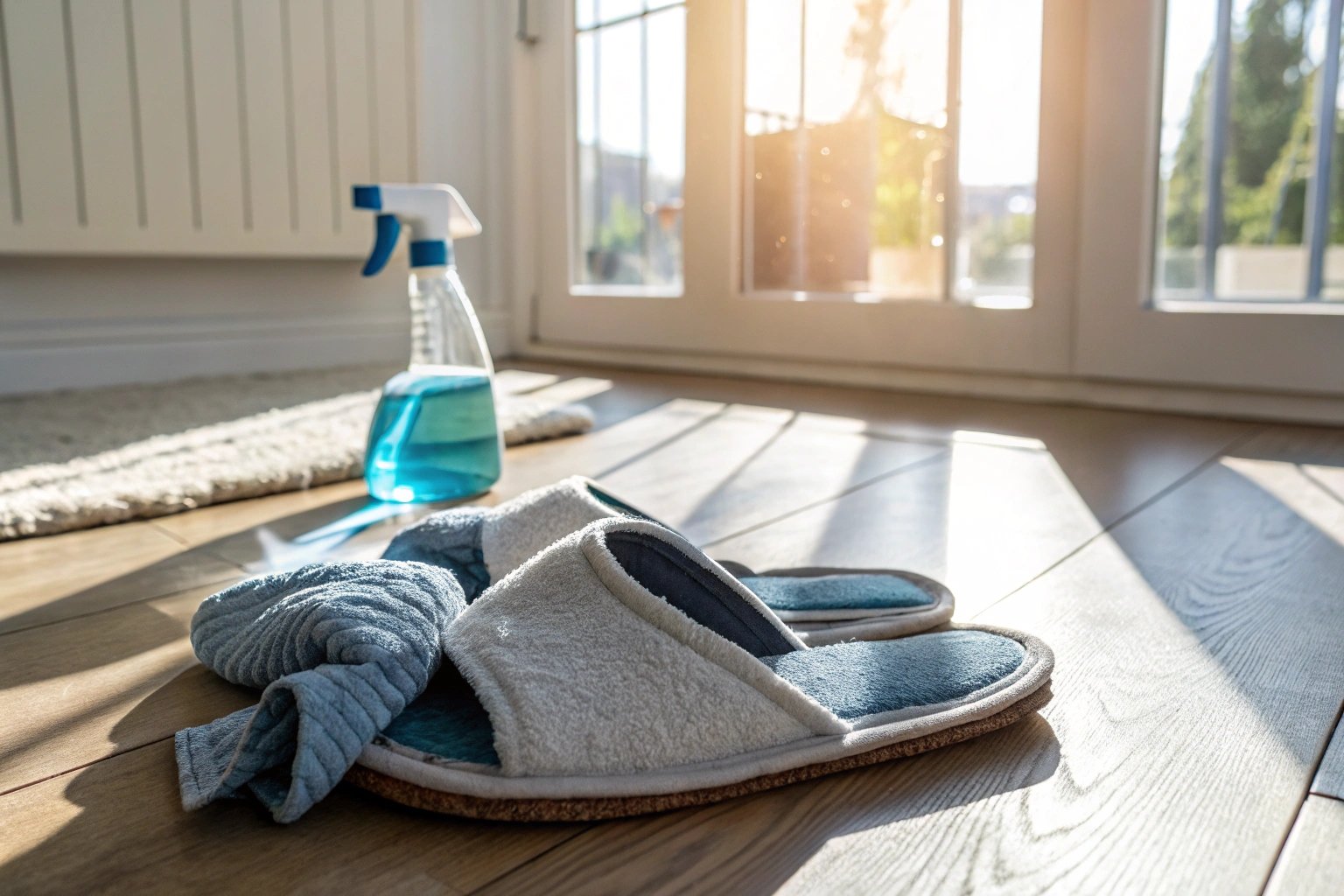
Some common causes of slipper odor are poor ventilation, sweat, and bacteria buildup. Without regular cleaning, these factors can lead to persistent odors.
What causes slipper odor and how can it be prevented?
Have you ever wondered why your slippers have an unpleasant smell? It’s mainly due to sweat and bacteria buildup.
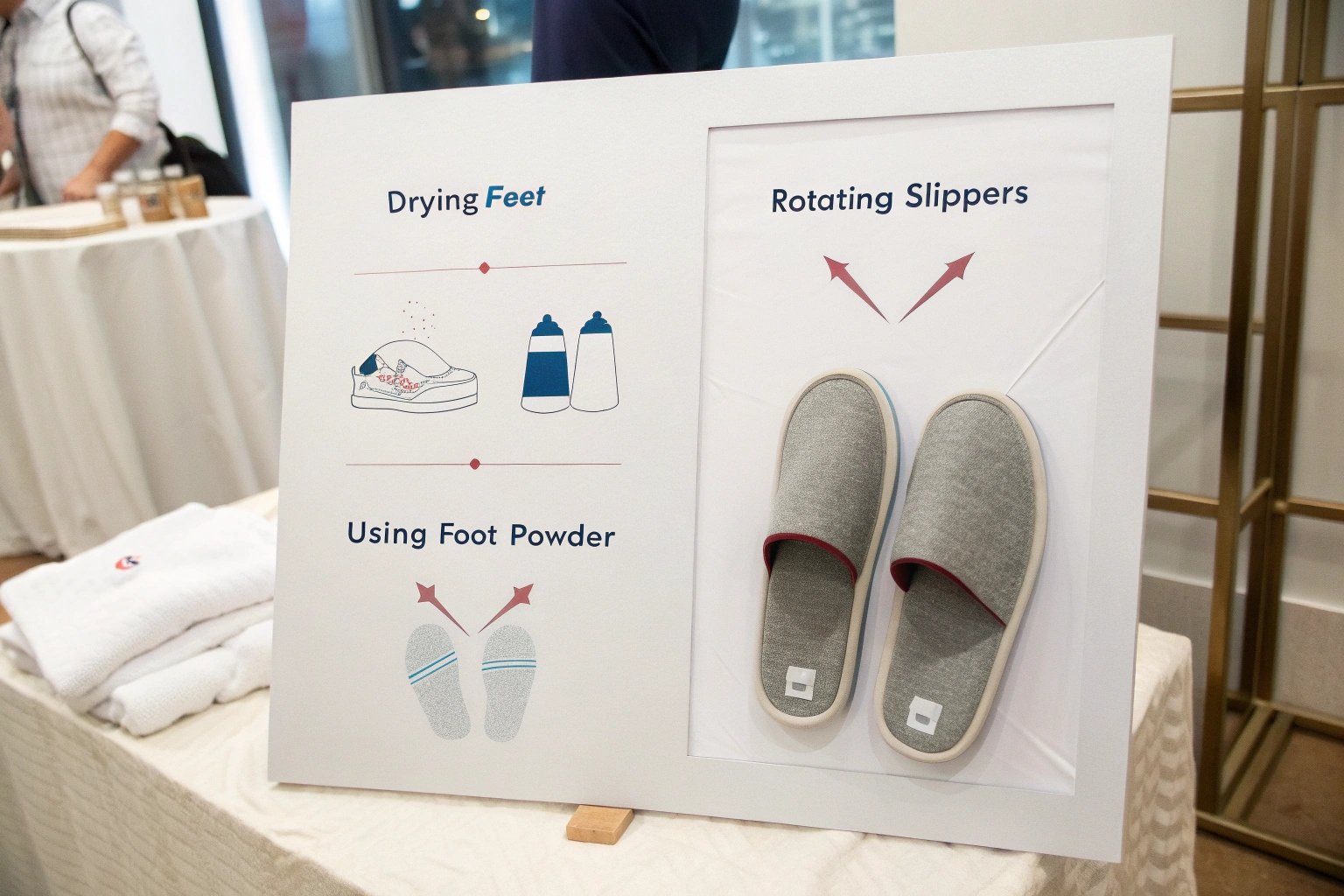
To prevent slipper odor, ensure your feet are dry before wearing them and rotate pairs regularly. Implementing these habits reduces bacteria buildup and keeps slippers odor-free.
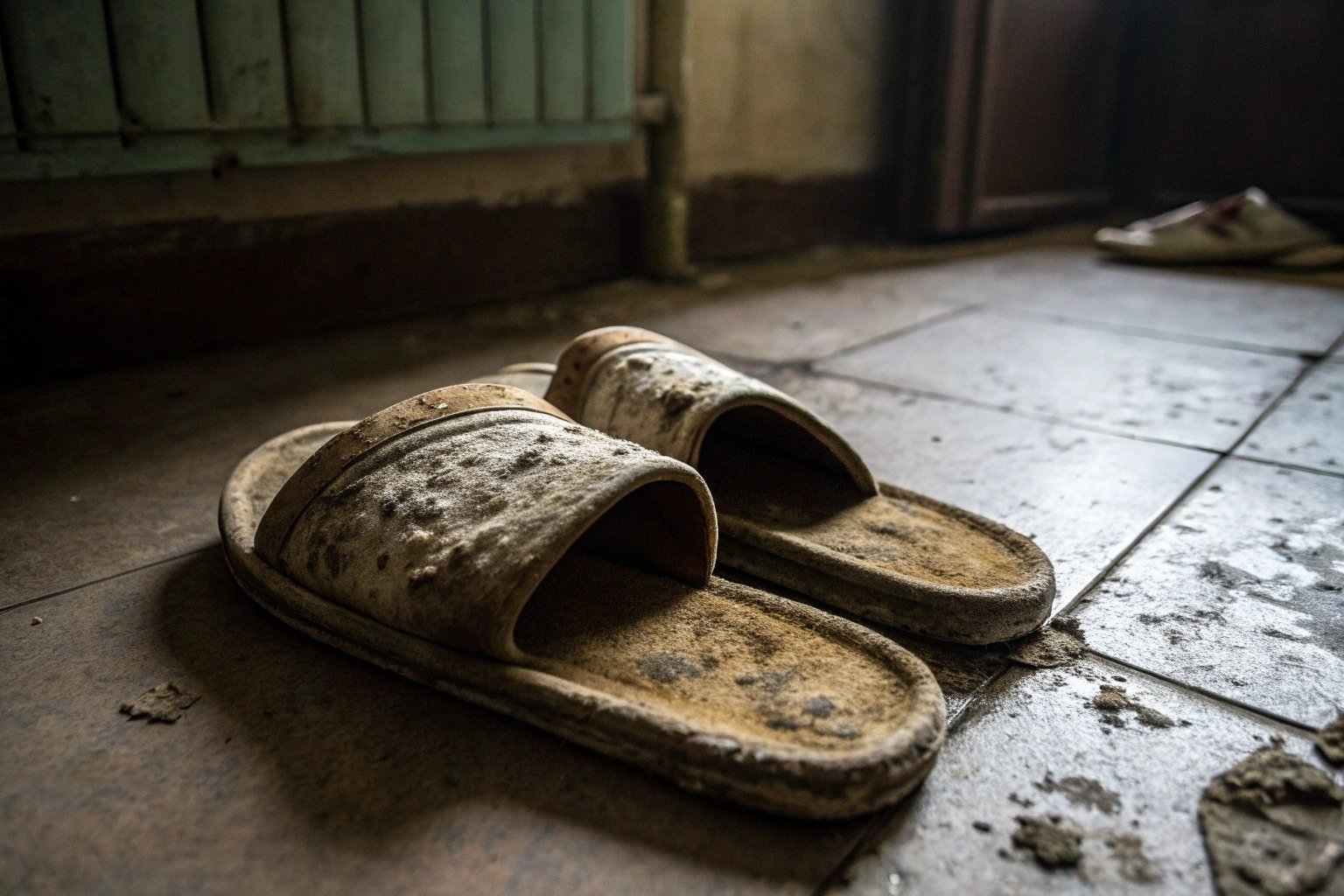
The combination of sweat and bacteria in enclosed spaces like slippers creates an ideal environment for odor formation. Addressing this means actively removing the conditions that encourage bacteria. Let’s dive deeper into some methods. First, always start with clean feet. This might seem obvious, but washing and drying your feet thoroughly can make a difference. Foot powders can also help absorb sweat, reducing the chances of odors forming. Meanwhile, alternating between slipper pairs gives each pair time to properly air out, further minimizing the risk of odor. Lastly, consider slippers made from breathable materials. Certain materials are less likely to trap moisture, helping maintain freshness even after prolonged use. By considering these factors, you can lengthen the lifespan of your slippers and reduce unwanted smells.
How can slipper materials affect odor retention?
Ever noticed how some slippers smell worse than others? It’s not just you; it often comes down to the materials.
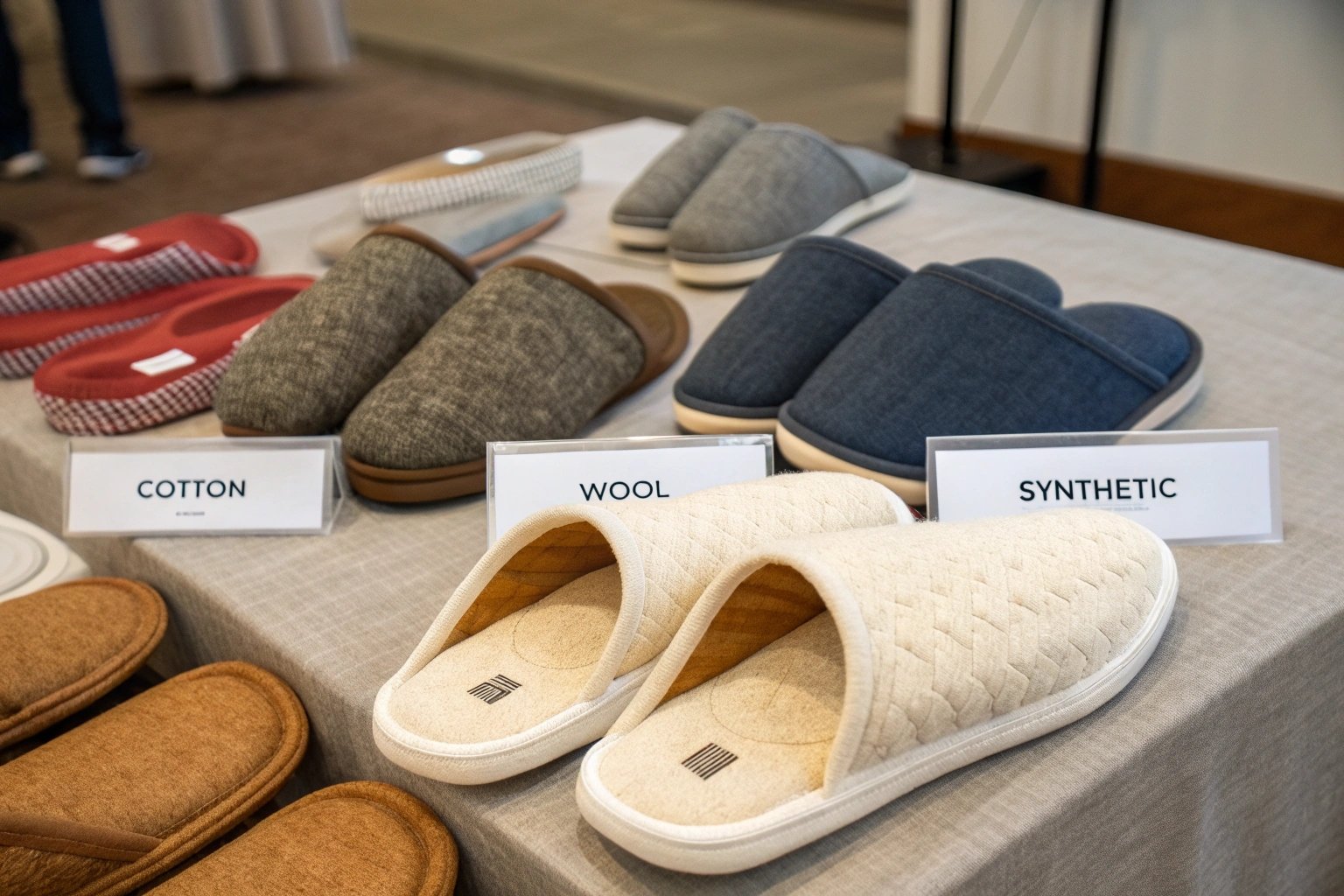
Slipper materials can trap moisture and bacteria more readily, leading to increased odor. Choosing breathable, natural materials, like cotton, can reduce moisture retention and limit odors.
Many people overlook the role that material plays in odor retention. Material choice significantly impacts slipper experience. Different materials have varying capabilities to manage moisture, a prime contributor to odor. For instance, synthetic materials, while durable, often trap moisture and heat, encouraging bacteria growth. On the other hand, slippers made from natural fibers like cotton or wool are better at allowing moisture to escape. This not only keeps feet drier but also means fewer odors over time. Additionally, avoid slippers with heavy linings or those that don’t allow for adequate air circulation. Opt for materials with moisture-wicking properties or those that are treated with anti-microbial solutions, as these are designed specifically to counteract the environment where bacteria thrive. In essence, while choosing slippers, think beyond aesthetics and focus on material benefits to combat odor retention.
What cleaning methods help tackle odor effectively?
Tackling odor with a proactive cleaning routine can work wonders, but what are the most effective methods?
Effective cleaning methods include regular washing, using vinegar, baking soda, and essential oils. These are known for their odor-neutralizing properties, keeping your slippers smelling fresh.
Cleaning your slippers regularly is not just about removing dirt. It’s about maintaining a fresh environment where bacteria cannot thrive. One popular cleaning solution involves soaking slippers in a water-vinegar mix. Vinegar’s acidic properties neutralize odors and eliminate bacteria. Another natural method is using baking soda. Lightly sprinkle some inside your slippers before wearing to absorb excess moisture and odors. Post-cleaning, ensure you air out the slippers thoroughly. A tip here is to position them in direct sunlight; sunlight’s UV rays are naturally antibacterial. For an added touch of freshness, essential oils, known for aromatic properties, can be dabbed inside the slippers. Essential oils like lavender or tea tree possess both pleasant aromas and antibacterial qualities. Integrating these cleaning techniques into your routine keeps slippers fresh for longer durations.
Conclusion
Odor-free slippers are achievable with the right cleaning methods and preventive measures.