
Are your slipper material costs too high? Does it feel impossible to cut costs and maintain quality? I understand. Let’s find solutions together.
You can reduce slipper material costs without losing quality by exploring alternative materials, negotiating with suppliers, and optimizing your designs. It requires a balanced approach. Don’t sacrifice long-term quality for short-term savings.
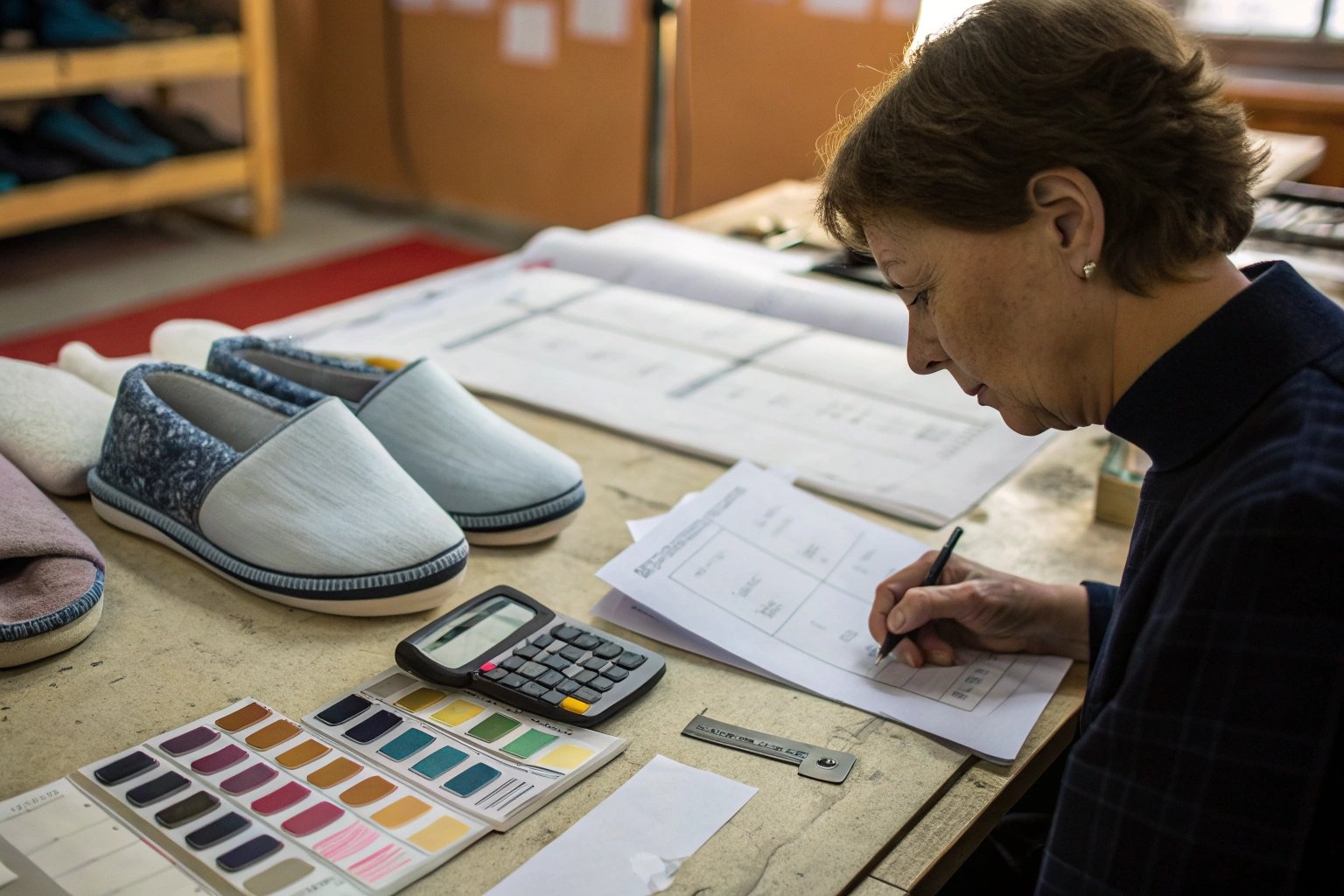
Cutting costs is crucial. But, we all know quality is king. So, how can we do both? Keep reading, and I’ll share some insights I’ve learned over the years.
How can exploring alternative materials reduce slipper costs?
Struggling with rising costs of traditional slipper materials? Are you curious about other options that won’t sacrifice quality? Let’s explore some ideas.
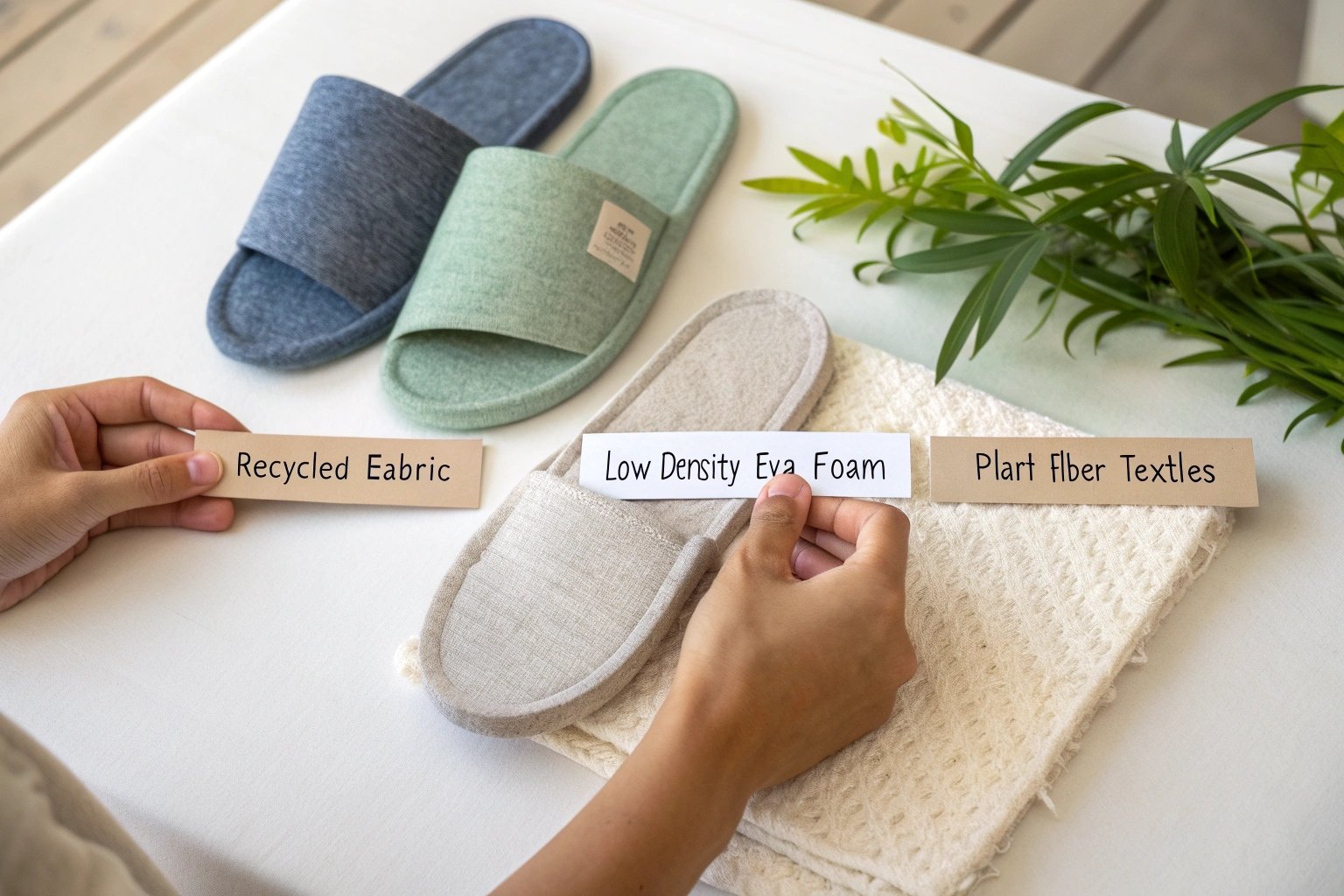
Exploring alternative materials is a smart way to reduce costs. Consider using recycled materials or newer, cheaper synthetics. But always test the materials first. This ensures they meet your quality standards.
Dive deeper:
When I started in the slipper business, my father always stuck to the same materials. He was hesitant to change. However, I pushed for exploring new options. For example, we looked into using more recycled materials in our home slippers. Recycled materials are not only cost-effective but also appeal to environmentally conscious customers.
We also experimented with different types of EVA (Ethylene-vinyl acetate) plastic for our EVA slippers. There are many different qualities and densities of EVA foam available. After testing and research, we found a lower-cost EVA that still met our durability requirements.
To make a successful switch, you need to consider several factors:
| Factor | Description |
|---|---|
| Material Cost | Compare the cost per unit of the new material against your current material. |
| Material Performance | Does the new material have the necessary durability, comfort, and water resistance? |
| Customer Perception | How will customers perceive the new material? Will it affect their willingness to buy? |
| Production Compatibility | Can your existing machinery handle the new material? Are there any adjustments needed? |
| Sustainability | Is the material environmentally friendly? Does it align with your brand’s sustainability goals? |
Finding the right balance is key. Don’t be afraid to experiment. Just make sure you thoroughly test each material. This will make sure it meets your standards.
How do negotiations with suppliers help in reducing costs?
Do you feel like you’re paying too much for your slipper materials? Are you unsure how to negotiate better deals with your suppliers? It’s a common problem.
Negotiating with suppliers is essential for reducing costs. Build strong relationships, ask for discounts on bulk orders, and compare quotes from different suppliers. Remember that a good negotiation benefits both parties.

Dive deeper:
Over the years, I’ve learned that negotiation is not just about squeezing the lowest price. It’s about building a long-term, mutually beneficial relationship. When ROCKDOVE FOOTWEAR approaches us, they always try to lower the price, because they have extremely cost competitiveness. Here are some strategies that have worked for me:
- Volume Discounts: We offer discounts for larger orders. This allows us to plan our production better and reduce our per-unit costs.
- Long-Term Contracts: We offer better pricing to customers who commit to long-term contracts. This gives us more security and allows us to invest in our production capabilities.
- Payment Terms: We negotiate payment terms that work for both parties. For example, we might offer a discount for early payment or accept a longer payment period in exchange for a slightly higher price.
- Supplier Competition: We always get quotes from multiple suppliers to ensure we’re getting the best possible price. Don’t be afraid to switch suppliers if you find a better deal.
Also, don’t underestimate the power of building personal relationships. Take the time to get to know your suppliers. Understand their challenges and needs. This will help you build trust and create a more collaborative environment.
| Negotiation Tactic | Description |
|---|---|
| Build Relationships | Get to know your suppliers personally. |
| Research Market Prices | Understand the going rates for different materials. |
| Be Prepared to Walk Away | Don’t be afraid to walk away from a deal if it’s not in your best interest. |
| Focus on Value, Not Just Price | Consider the overall value of the relationship, not just the price. |
How does optimizing designs affect material costs?
Are you using more material than you need in your slipper designs? Could small design changes lead to big cost savings? Let’s find out.
Optimizing your designs is a great way to save money. Simplify your designs, reduce the amount of material used, and standardize components. Every little bit helps.
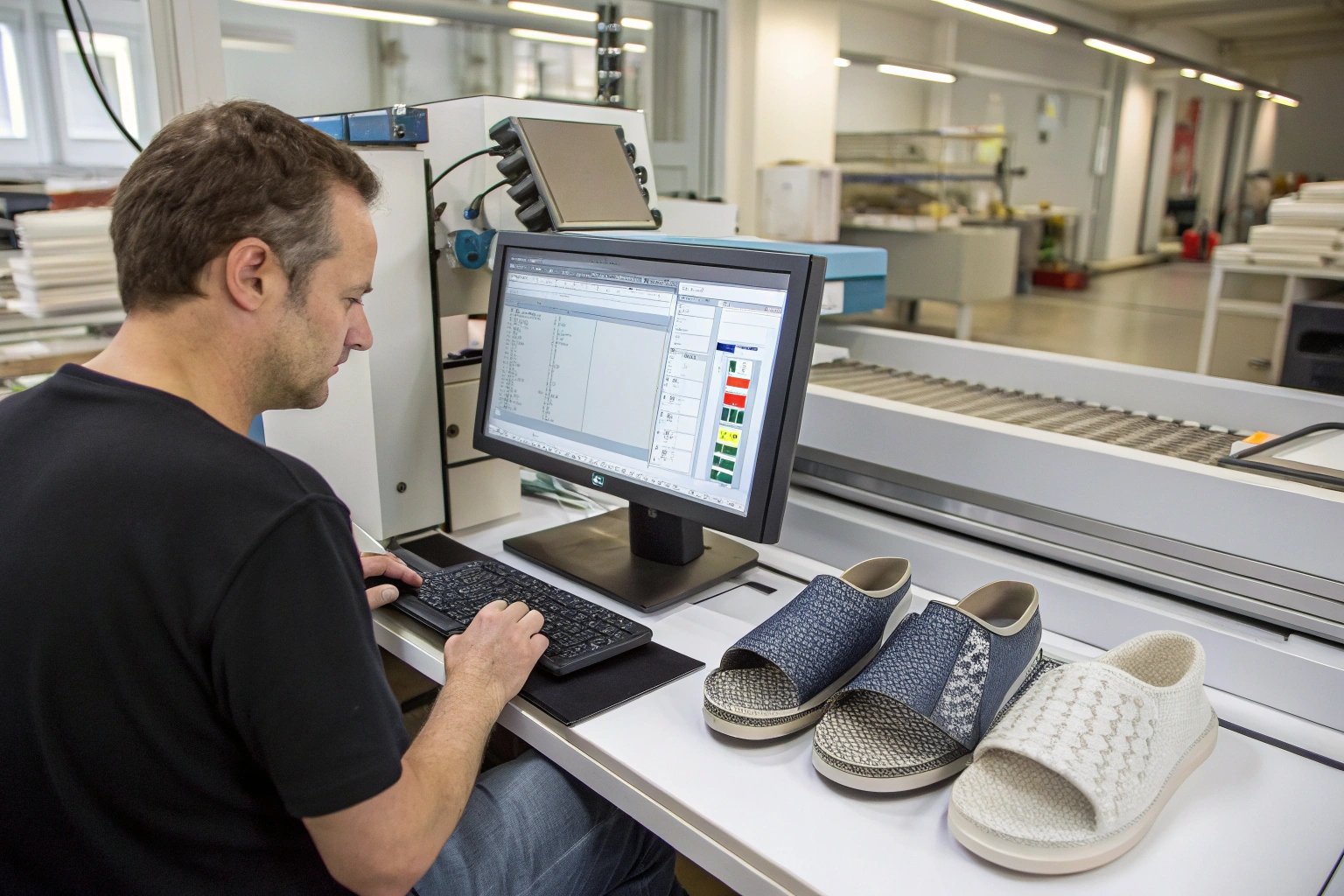
I remember one time when we redesigned our best-selling home slipper. We realized we were using more fabric than necessary in the lining. By slightly adjusting the pattern, we reduced fabric consumption by 5%. This may not seem like much, but it added up to significant savings over the year.
Here are some specific design optimizations to consider:
- Reduce Material Usage: Minimize the amount of material used in each slipper. Look for ways to cut back on excess fabric or padding.
- Simplify Construction: Streamline the construction process to reduce labor costs. Use fewer seams and simpler stitching patterns.
- Standardize Components: Use the same components across multiple slipper styles. This allows you to buy in bulk and negotiate better prices.
- Optimize Cutting Patterns: Use computer-aided design (CAD) software to optimize cutting patterns and minimize waste.
- Consider Material Width: Choose materials that come in widths that match your designs. This reduces the need for cutting and minimizes waste.
Consider these questions when reviewing your slipper designs:
| Question | Purpose |
|---|---|
| Is there any unnecessary material? | Identify areas where you can reduce material usage. |
| Can the design be simplified? | Look for ways to streamline the construction process. |
| Can we use fewer components? | Consider using fewer parts to reduce material and labor costs. |
| Is the cutting pattern optimized? | Ensure you’re getting the most out of each piece of material. |
Conclusion
Reducing slipper material costs without sacrificing quality is achievable. It takes a strategic approach. By exploring materials, negotiating with suppliers, and optimizing designs, you can create cost-effective slippers. You can also keep customers happy.