
Are your winter slippers falling apart after just a few wears? It’s frustrating, right?
Neat and durable sewing is key to slippers that last. Using the right techniques and materials makes all the difference.
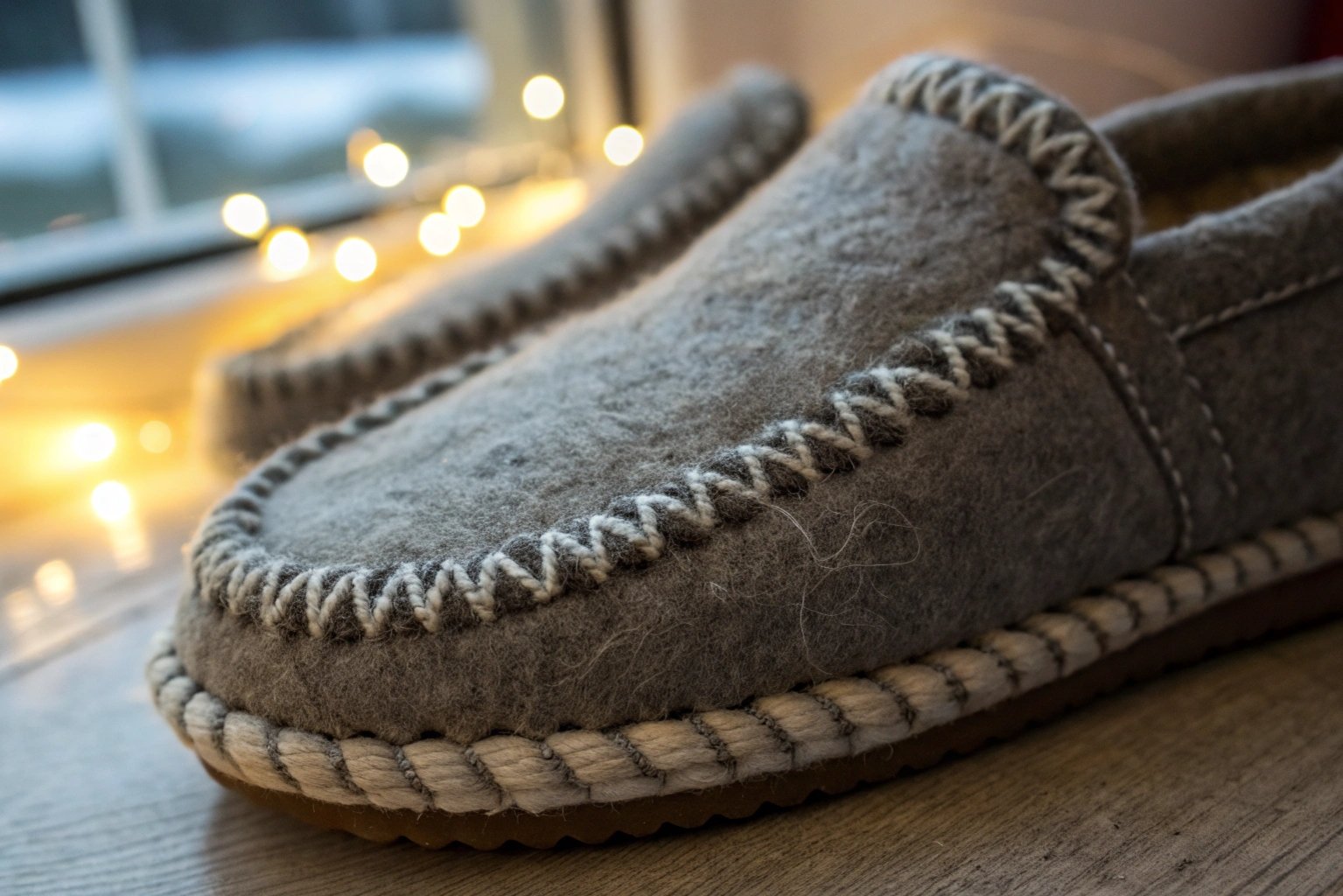
If you want your slippers to last, keep reading.
How do I choose the right thread for sewing winter slippers?
Having problems with thread breaking while sewing slippers? It’s a common issue, I know.
Select a strong thread made of polyester or nylon. These threads are less likely to break and can handle the wear and tear of daily use.
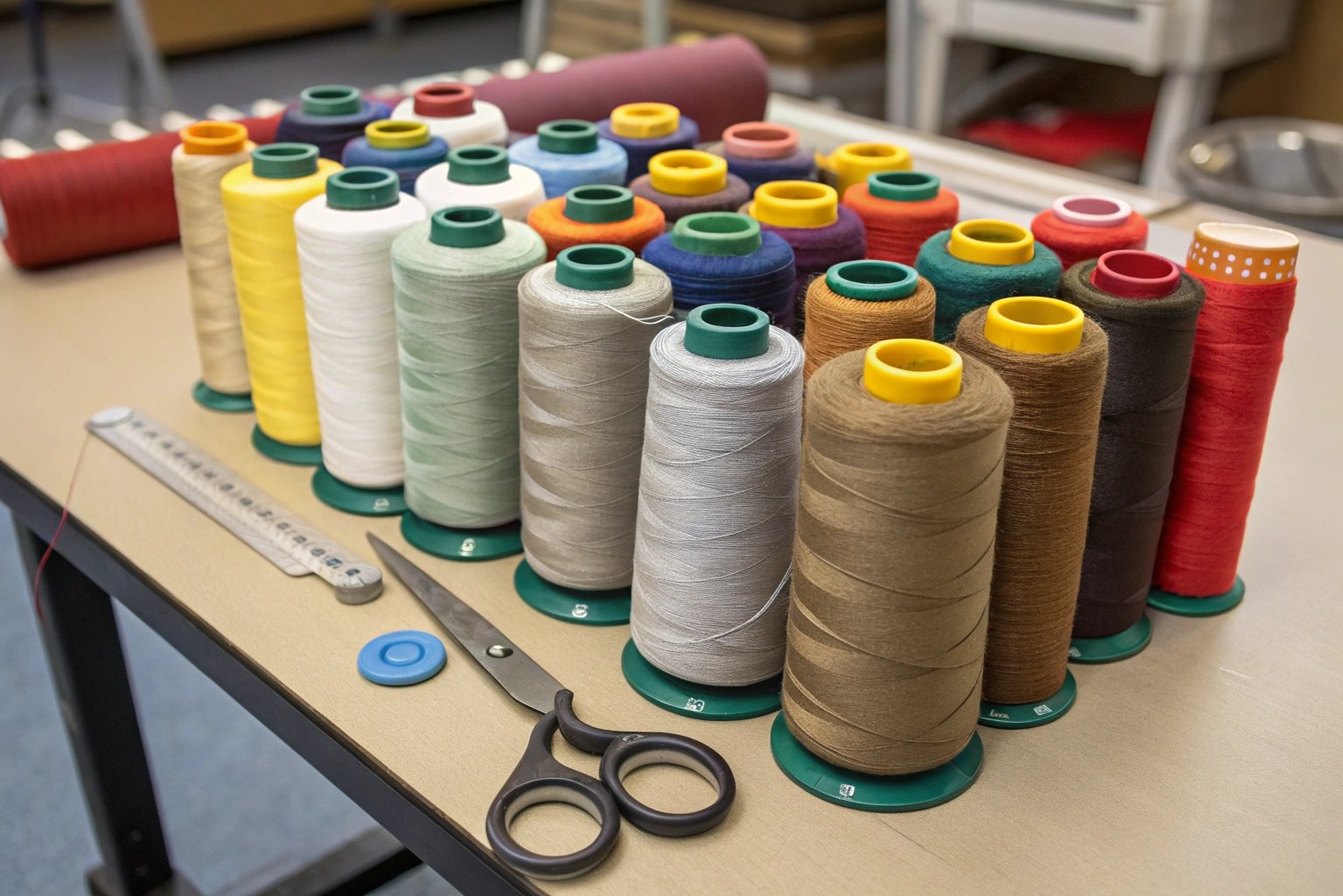
Choosing the right thread is not just about strength; it’s about matching the thread to the slipper materials. For example, thicker fabrics like wool or fleece require a heavier thread. A finer thread might be suitable for lighter materials. The color of the thread also matters. You want a color that blends well with the slipper fabric or provides a nice contrast, depending on the design. It is important to consider the environment where slippers are used. Slippers that get wet frequently need a thread resistant to moisture and mildew. Proper thread selection can make a big difference in the final product. It ensures the slippers are both durable and aesthetically pleasing. Here’s a breakdown:
| Thread Type | Pros | Cons | Best For |
|---|---|---|---|
| Polyester | Strong, durable, resistant to moisture and abrasion | Can be slightly more expensive than other options | General use, heavy-duty fabrics |
| Nylon | Very strong, elastic, resistant to abrasion and chemicals | Can be affected by sunlight over time | High-stress areas, outdoor use |
| Cotton | Soft, natural, good for delicate fabrics | Less durable, prone to shrinking and mildew | Lightweight fabrics, decorative stitching |
| Wool | Natural, warm, good for matching wool fabrics | Can be expensive, may require special care | Wool slippers, hand-sewn projects |
What sewing techniques make winter slippers more durable?
Do you find your seams constantly ripping? It’s annoying, I understand.
Reinforce seams with backstitching at the beginning and end of each seam. Use a shorter stitch length for added strength. Also, consider using a serger to prevent fraying.
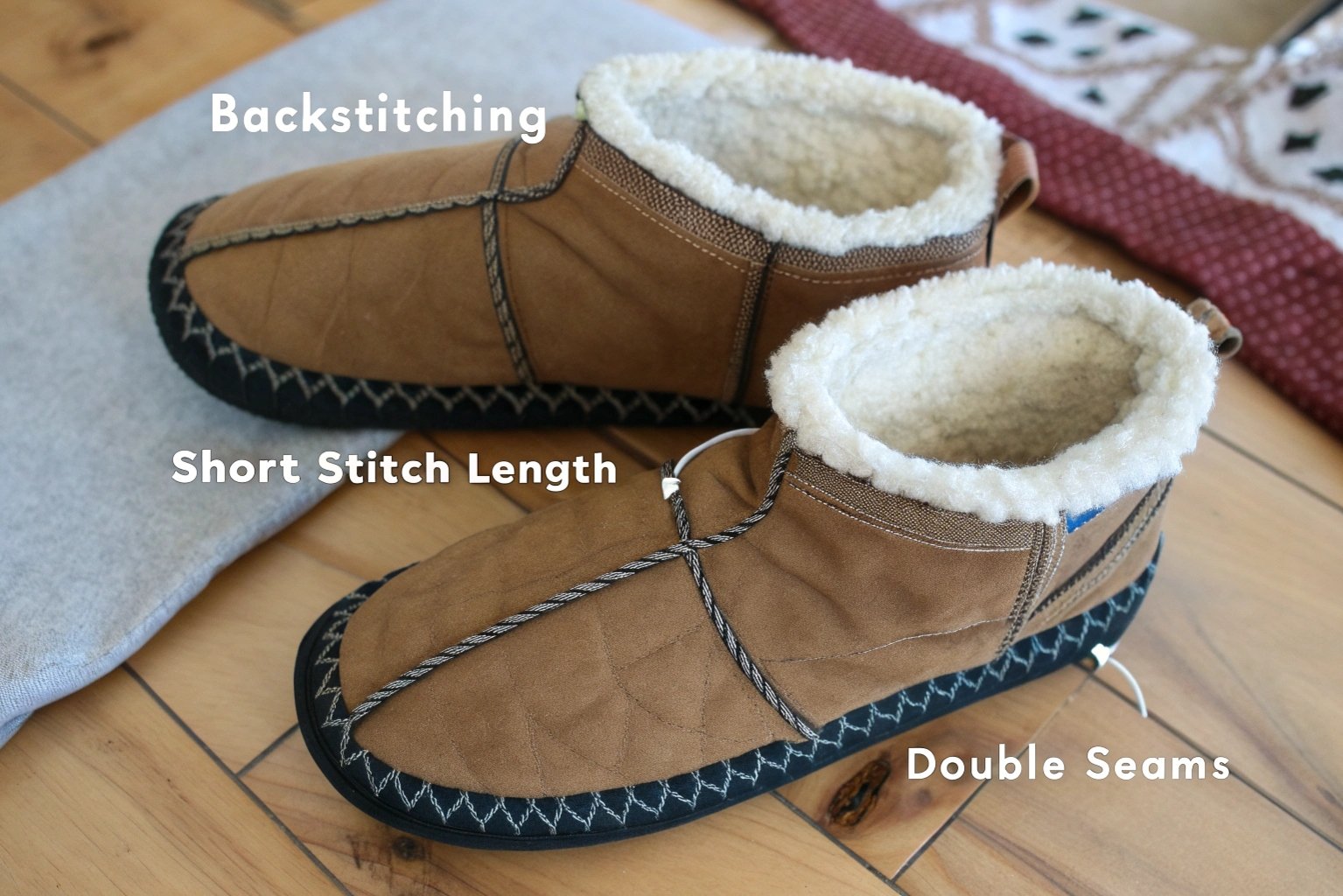
Using the right sewing techniques not only ensures durability but also affects the overall look and feel of the slippers. Backstitching secures the seam, preventing it from unraveling. A shorter stitch length creates a tighter, stronger hold. When working with multiple layers of fabric, like in winter slippers, consider using a walking foot on your sewing machine. This helps feed all layers evenly, preventing slippage and uneven seams. For added durability, especially in high-stress areas like the sole attachment, consider using a double seam. This involves sewing the seam twice for extra reinforcement. Each technique plays a role in making slippers that last. Also consider these points:
- Backstitching: Secure the seam at the start and end.
- Stitch Length: Use a shorter stitch for a tighter hold.
- Walking Foot: Ensures even feeding of fabric layers.
- Double Seam: Provides extra reinforcement for high-stress areas.
How important is the material choice for winter slipper sewing?
Are you wondering if the fabric you’re using is up to the task? This is a very important question.
Choosing durable, high-quality materials is essential. Thick fleece, wool, and sturdy non-slip soles provide both comfort and longevity.
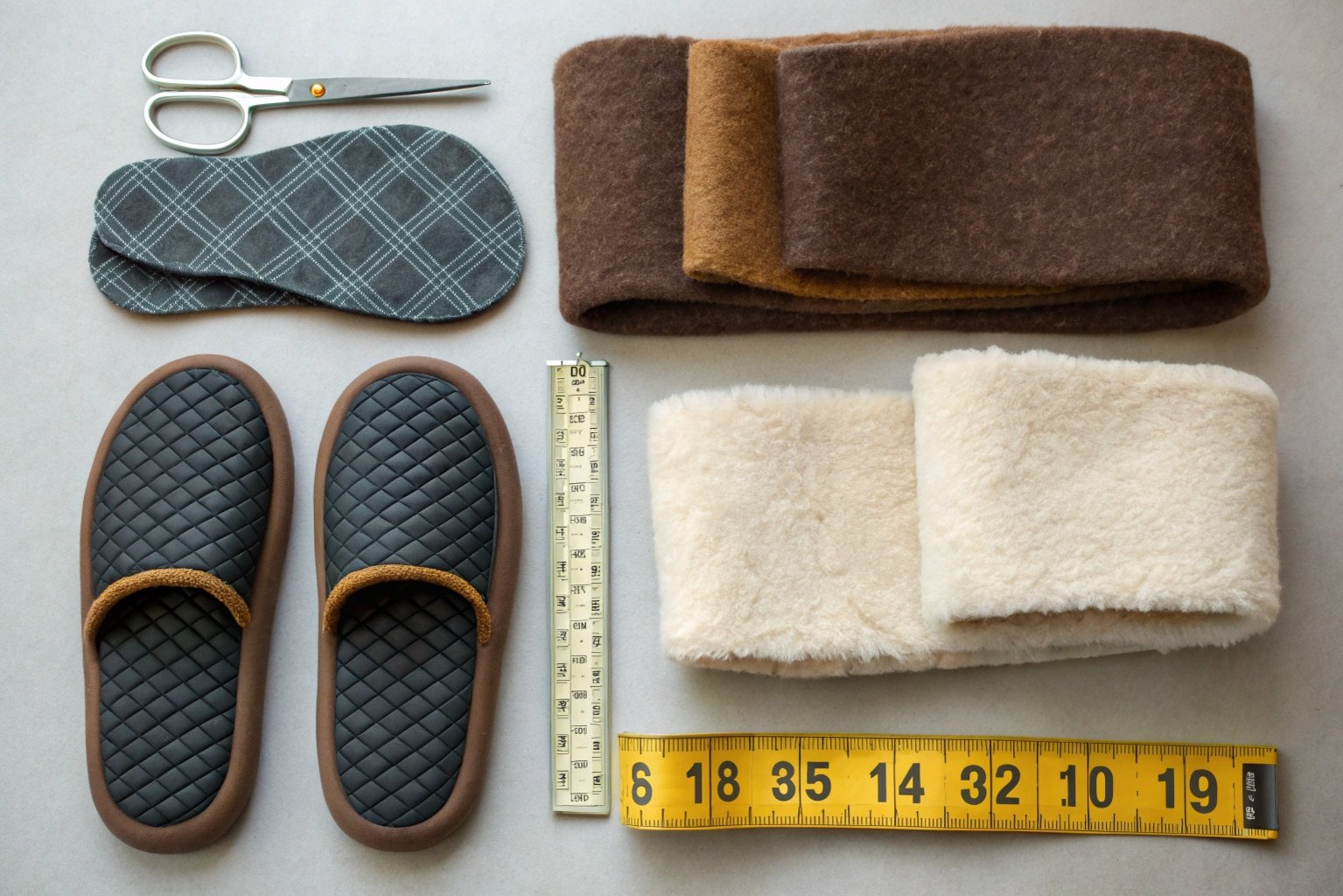
The choice of materials dramatically impacts the comfort and durability of winter slippers. Thick fleece and wool provide warmth and cushioning. They are also relatively durable, able to withstand regular wear. The sole material is particularly important. Non-slip soles, made of rubber or TPR (thermoplastic rubber), offer safety and resist wear from walking on different surfaces. Consider the inner lining as well. Soft, absorbent materials like cotton or bamboo fleece can enhance comfort and help manage moisture. The quality of these materials affects how well the slippers hold up over time. It also determines how comfortable they are to wear. If you’re serious about creating slippers that last, invest in quality materials. Here is more information:
- Fleece and Wool: Warm, cushioned, and durable.
- Rubber or TPR Soles: Non-slip and wear-resistant.
- Cotton or Bamboo Lining: Soft, absorbent, and comfortable.
Conclusion
In summary, using quality thread, strong sewing techniques, and durable materials ensures your winter slippers are neat, comfortable, and long-lasting.