
Striking the perfect balance between functionality and aesthetics in plastic slipper design is key to satisfying customers and standing out in a competitive market.
Balancing functionality and aesthetics in plastic slipper design involves optimizing comfort and durability while ensuring appealing colors and patterns. A design that prioritizes both aspects can enhance user experience and increase market appeal.
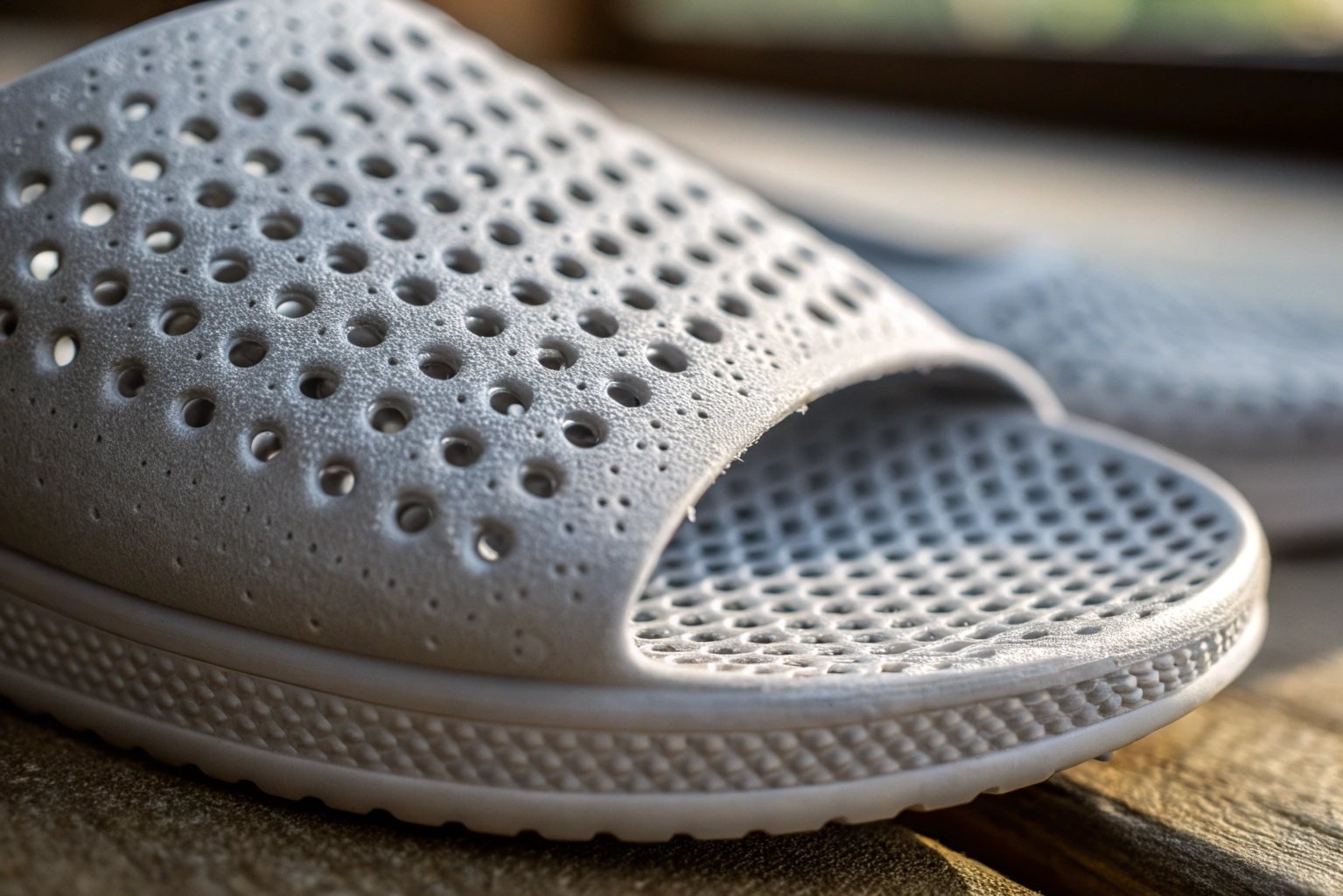
In today’s market, the need to combine convenience with visual appeal is critical. The slipper industry demands thoughtful design, merging style with substance. An effective design confirms the product’s reliability and keeps consumers engaged with its appearance.
What are the primary functional aspects to consider in slipper design?
Comfort and durability are two essential elements that answer consumer needs amidst shifting fashion trends and evolving lifestyle choices.
Plastic slipper designers must prioritize comfort, ensuring that slippers provide adequate support while being lightweight. Durability is crucial, offering resistance to wear over time, making the product valuable for everyday use.
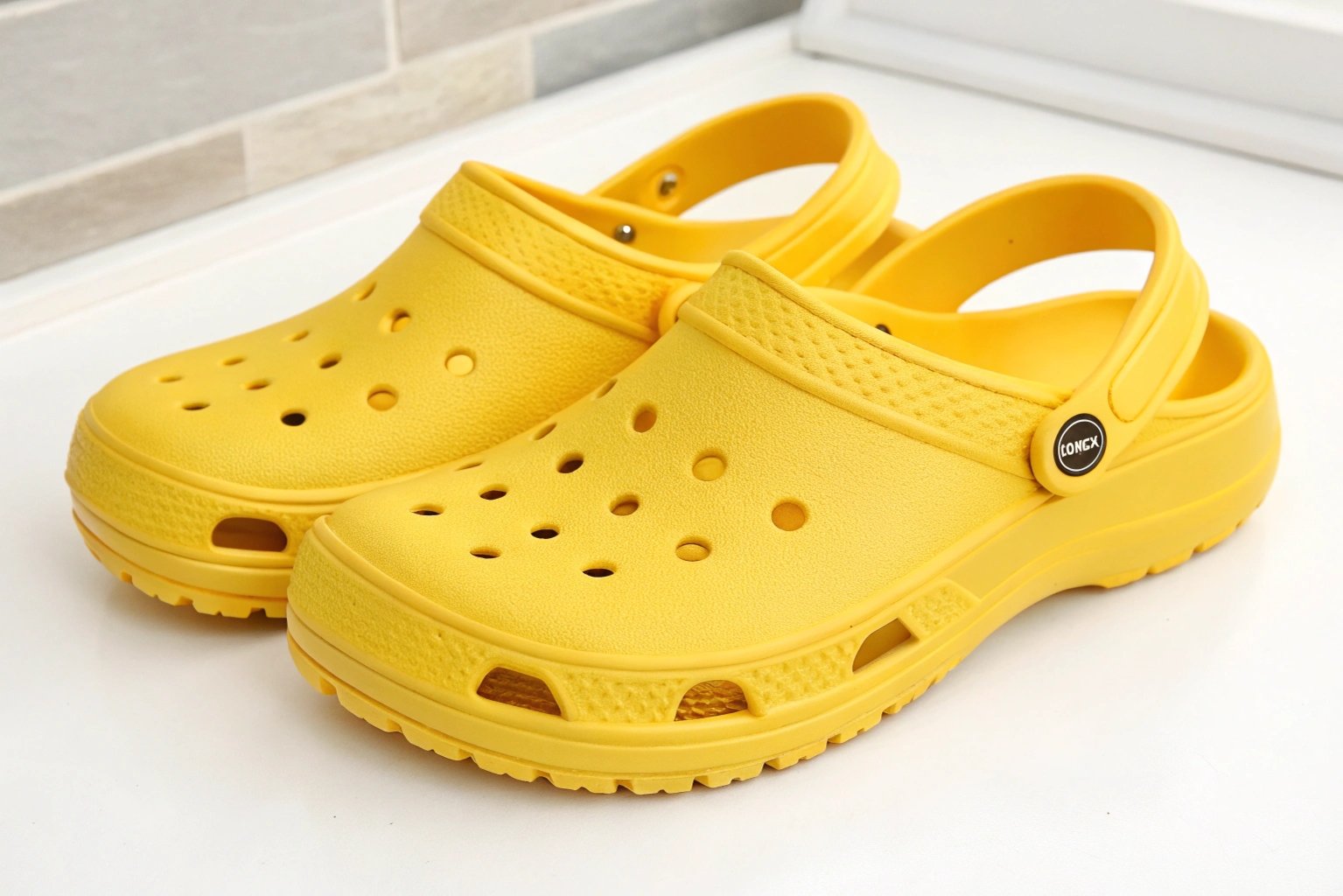
Comfort and durability directly influence the consumer’s purchasing decisions. Comfort includes pairing the right material with a supportive design. Plastic slippers should also resist cracking and degradation over time. Designers often prioritize ergonomics, using shock-absorbing materials and cushioned soles to enhance comfort, and select quality plastics to ensure longevity.
How can aesthetics elevate the plastic slipper’s position in the market?
Aesthetics play a crucial role in determining consumer desirability and brand differentiation, integrating consumer lifestyle and fashion preferences into practical daily wear.
Designers must focus on incorporating trending patterns and colors into slippers. Eye-catching aesthetics ensure the product captures attention, conflating style with practicality to fit the consumer’s lifestyle.
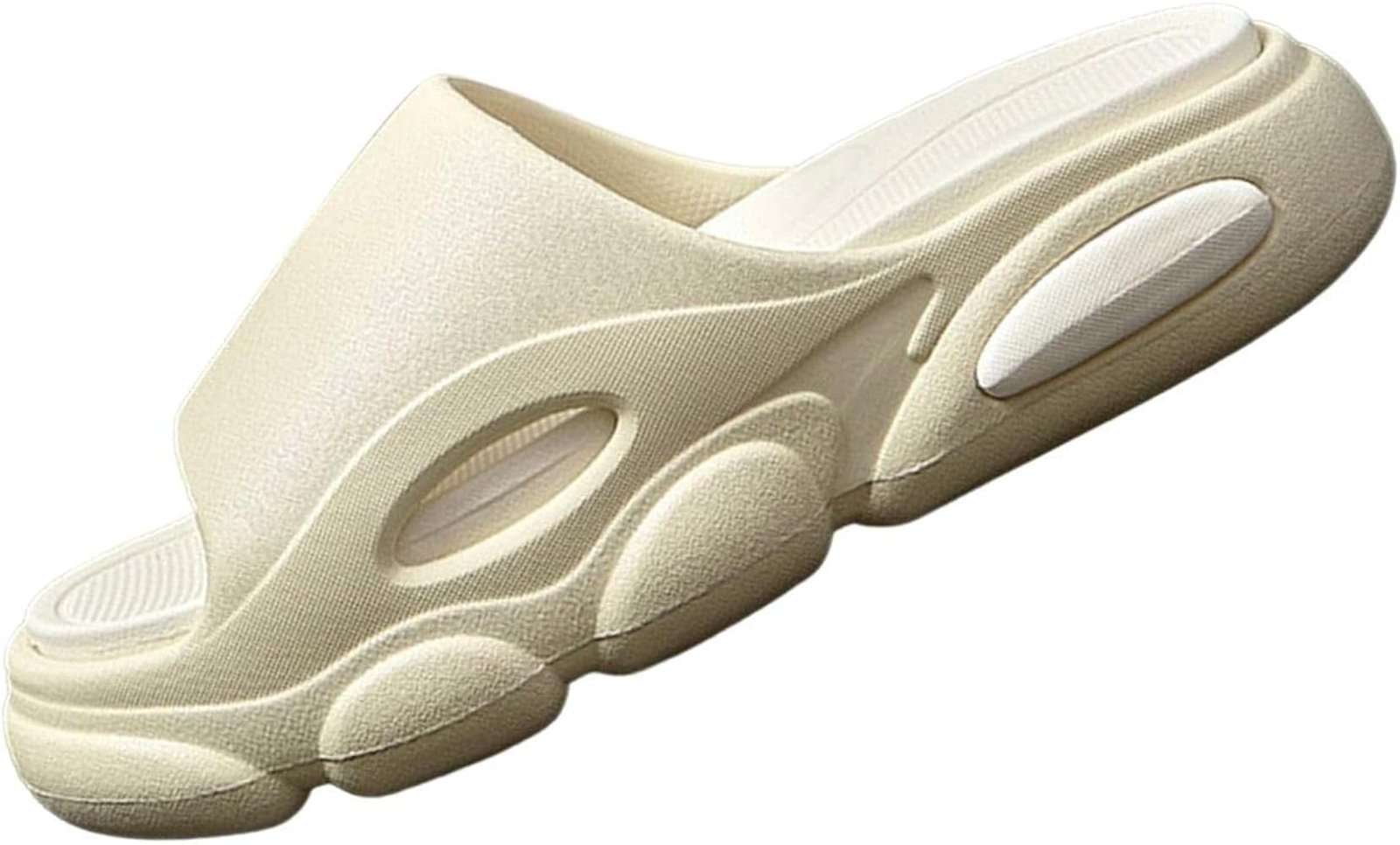
In today’s fashion-conscious world, aesthetics can make or break a product. Leveraging trendy designs with cultural relevance or personalized options, like custom prints, boosts a slipper’s appeal. Market studies help predict popular colors and styles, translating consumer preferences into design elements that resonate with your target demographic. This can set the product apart from similar offerings.
How does balancing these elements affect production?
Striking a balance between functionality and aesthetics demands careful choice in materials and processes, impacting production efficiency and product quality.
Manufacturers must optimize production processes to harmonize the functional and aesthetic elements of slippers. Balancing these factors ensures a market-ready product that meets consumer expectations without compromising on quality.
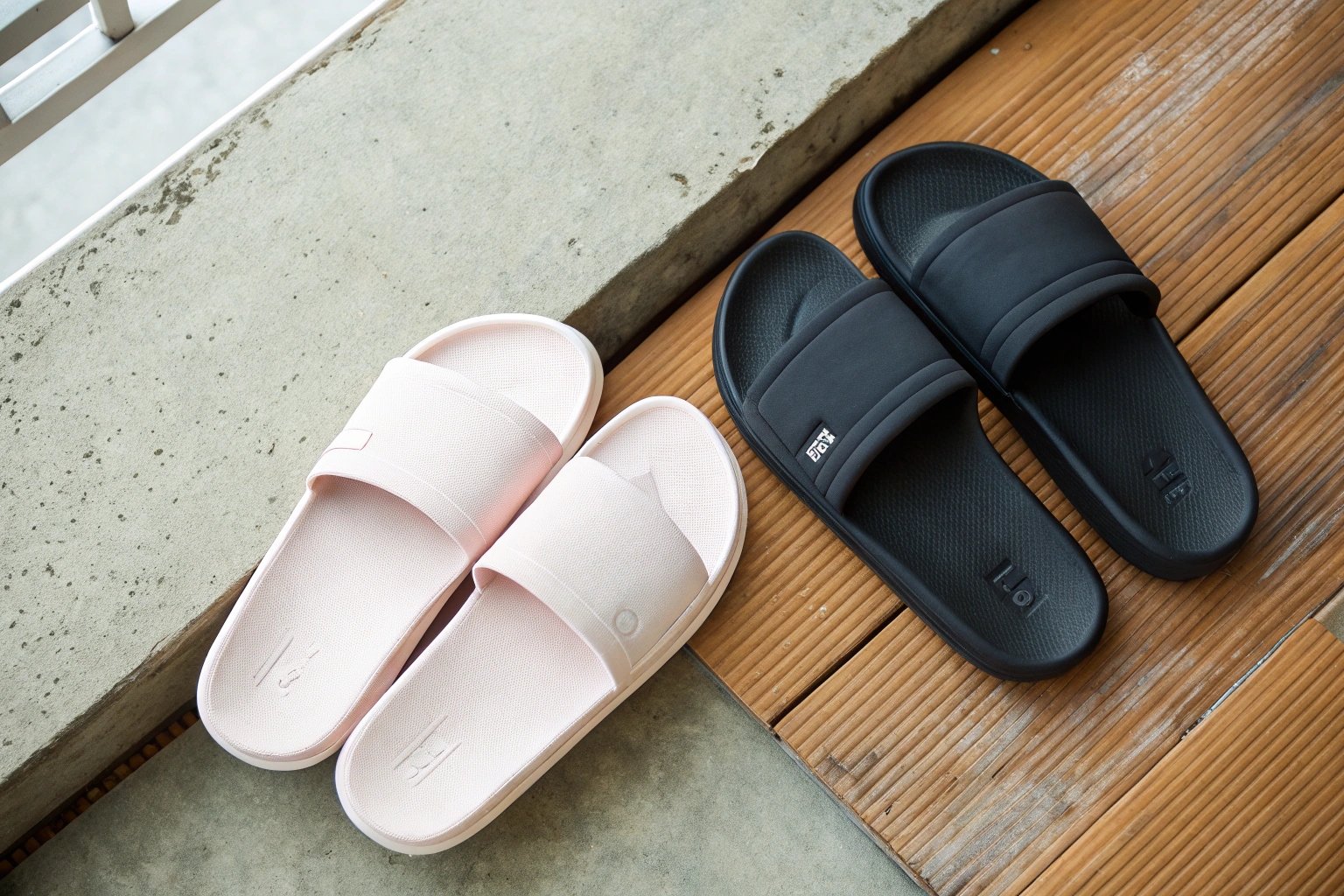
Balancing requires combining suitable materials and processes. Manufacturing processes must be adaptable, allowing for design flexibility without incurring excessive costs. Choose versatile materials that support both design and durability. Advanced technologies like injection molding allow precision in design while ensuring robust build quality. Collaboration between design and production teams confirm seamless integration.
Conclusion
Balancing functionality with aesthetics in plastic slippers demands a careful approach to product design. Striking this balance increases consumer appeal and ensures long-term success in a competitive market.