
Are you curious about Japanese footwear1? Perhaps you’re planning a trip or just interested in the culture. You might be wondering if slippers are a big part of daily life.
Yes, slippers are very common in Japan. They are often worn inside homes, schools, and some
traditional businesses to keep floors clean and provide comfort.

Want to know why Japanese people love slippers? Keep reading to find out all about it.
Do Japanese wear slippers in school?
Imagine walking into your school. Now, picture everyone taking off their outdoor shoes. Do you see them slipping into comfortable slippers?
Yes, many Japanese schools require students and teachers to wear uwabaki2, which are indoor slippers. This helps keep the school clean and creates a comfortable learning environment.
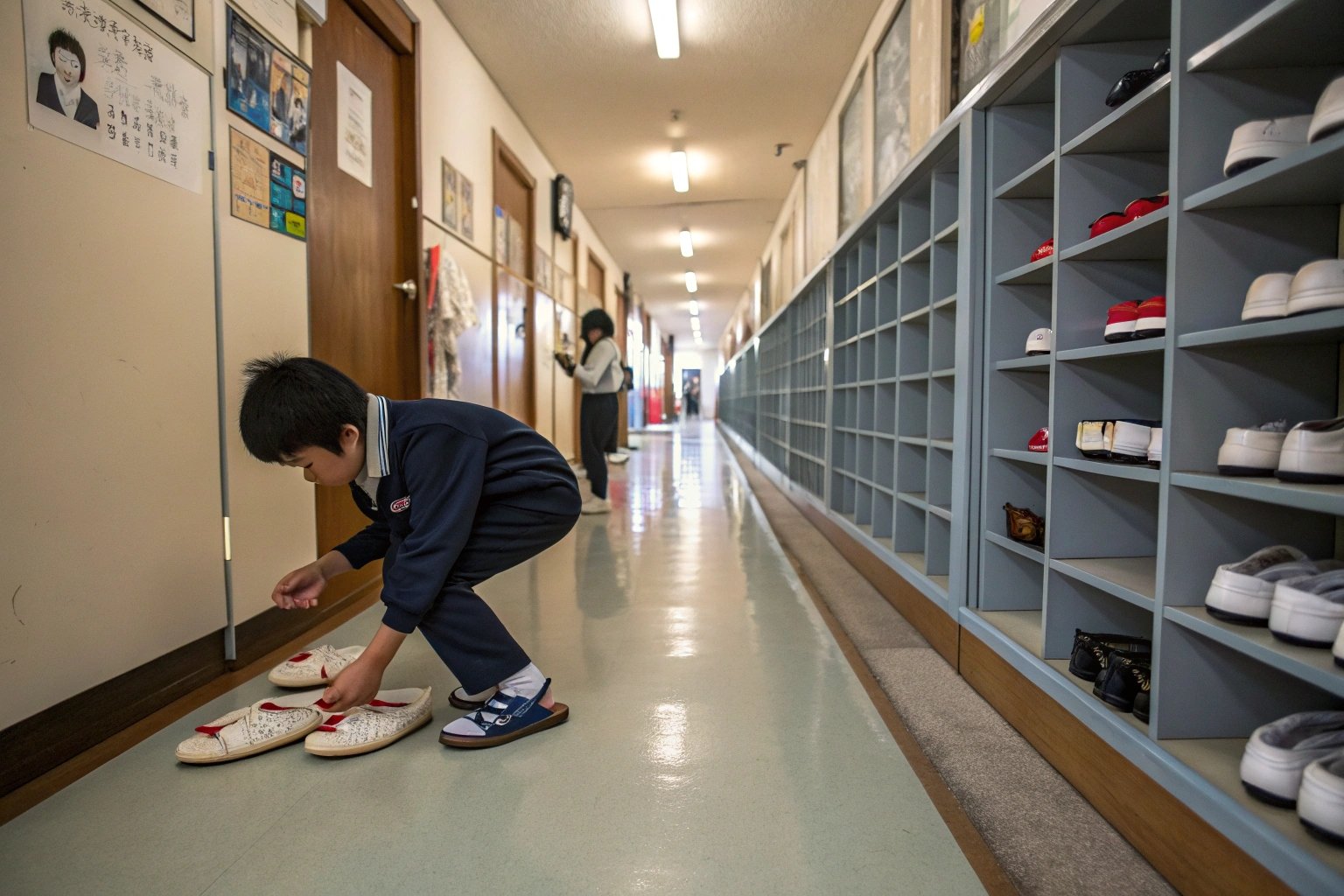
When I first learned about this tradition, I thought it was such a smart idea. Back in 1990, my father started our slipper factory. He always stressed the importance of quality and cleanliness. This school practice makes perfect sense to me.
Slippers in schools are not just about comfort, they also teach students about hygiene and respect for their environment. This practice has many nuances.
-
Uwabaki Types: There are different types of slippers for different grades and activities.
-
Cleanliness: Slippers are cleaned regularly to maintain hygiene.
-
Symbolism: Taking off outdoor shoes shows a transition from the outside world to a learning space.
-
Comfort: Slippers create a more relaxed and comfortable atmosphere for students and teachers.
-
Tradition: This has been a long-standing tradition in Japanese education.
This tradition is deeply embedded in their culture. When considering the global market, understanding these cultural nuances is essential for businesses like mine. After all, my goal is to help 100,000+ customers build their branded slippers!
What do Japanese people wear on their feet?
Thinking about Japanese footwear, what comes to mind? Is it just slippers? There is so much to explore.
Japanese people wear a variety of footwear. This includes traditional options like geta and zori, as well as modern shoes and slippers. Slippers are mainly for indoor use.
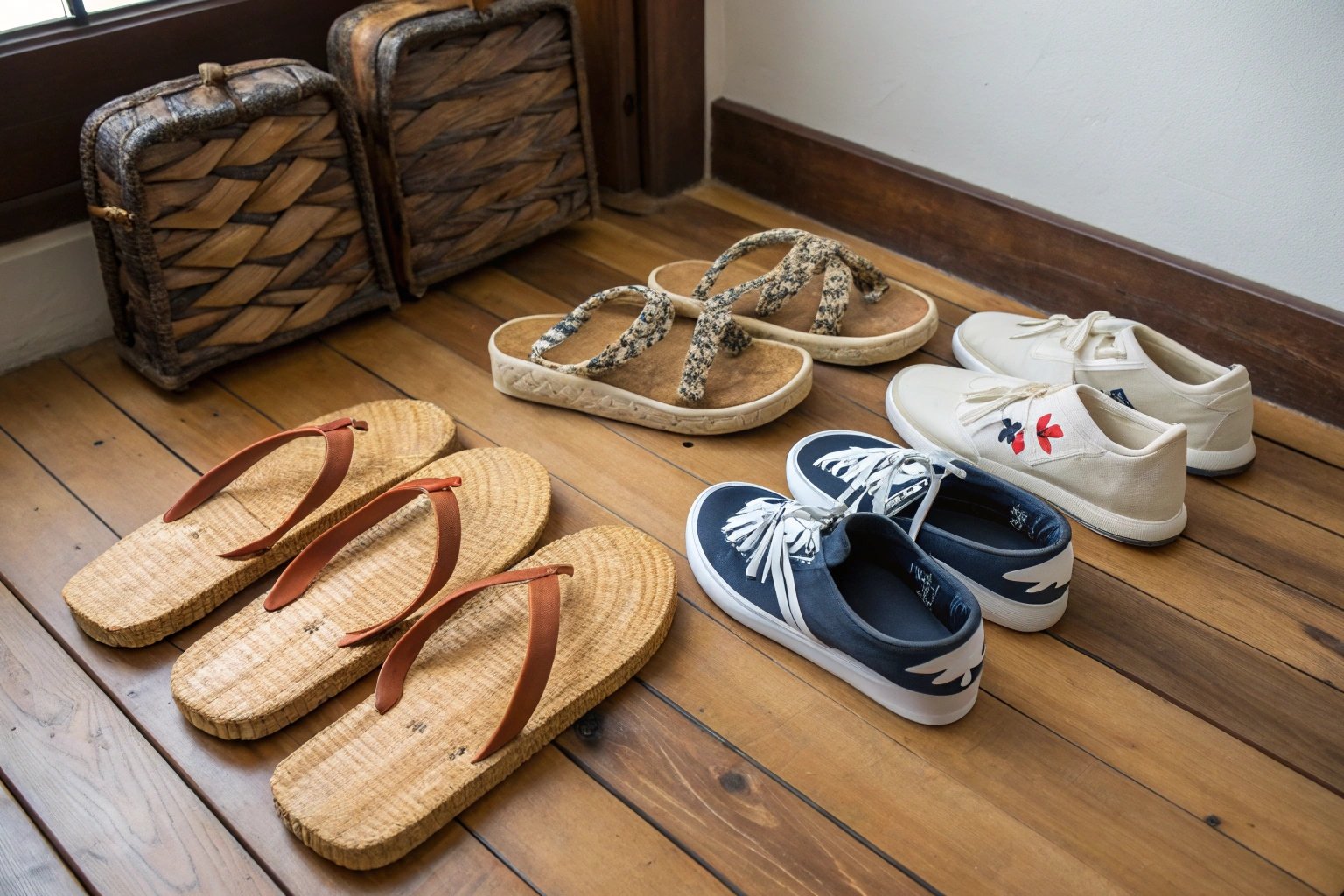
My experience as a second-generation slipper manufacturer has taught me a lot about footwear. I know people wear all sorts of footwear depending on the occasion and location. For example, traditional sandals like geta and zori are often worn with kimonos at festivals. But inside homes and
some businesses, slippers are the go-to choice. Let’s dive deeper into different types of footwear.
- Geta: Wooden sandals with raised platforms. Often worn with kimonos for formal events.
- Zori: Flat sandals made of rice straw or other materials. Used for both casual
and formal occasions. - Tabi: Traditional socks with a split toe. Worn with traditional sandals.
- Uwabaki: Indoor slippers worn in schools and some workplaces.
- Modern Shoes: Sneakers, boots, and other Western-style shoes for everyday wear.
From my work at Ningbo Cotton Slipper Co., Ltd., I’ve learned that understanding these diverse needs helps me serve my customers better. We offer OEM and ODM services1 to customize slippers. We also make sure they are suitable for various markets. We make sure our products meet the varied needs of our customers.
Is it okay to be barefoot in Japan?
Have you ever walked barefoot in your home? It feels freeing, doesn’t it? Can you do the same in Japan?
While it’s not considered rude to be barefoot in your own home in Japan, it’s generally not acceptable in public places, temples, or traditional restaurants. Slippers are often provided for indoor use.
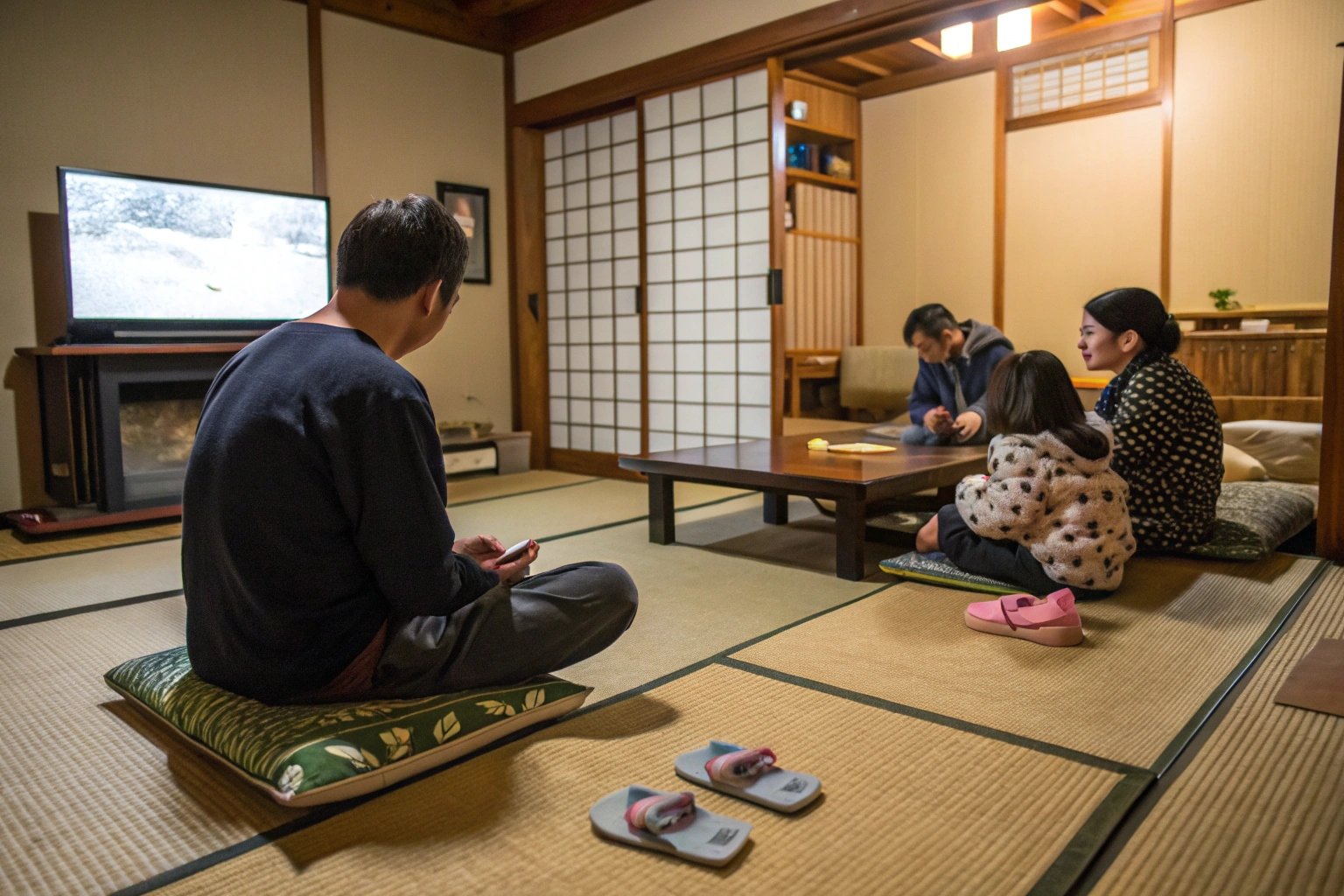
I’ve been in the slipper business for years. I know that Japanese culture has a strong emphasis on cleanliness2 and respect. When you enter someone’s home, you usually take off your shoes to avoid bringing in dirt from the outside. Walking barefoot inside your own home is fine, but in public spaces, it’s different. It is seen as unsanitary and disrespectful.
-
Home: Being barefoot is common and acceptable.
-
Temples: Shoes are usually removed before entering. Slippers or socks are often worn.
-
Traditional Restaurants: Similar to homes, shoes are removed, and slippers may be provided.
-
Public Spaces: Generally not acceptable to be barefoot in public areas.
-
Bathrooms: Separate bathroom slippers are often used to maintain hygiene.
At Ningbo Cotton Slipper Co., Ltd., we understand the importance of cultural sensitivity3. We strive to make slippers that meet the needs of various cultures. We emphasize quality and hygiene in our products.
Do Asians wear slippers?
Do you think slipper-wearing is unique to Japan? Or is it common in other Asian countries?
Yes, wearing slippers is common in many Asian countries, including China, Korea, and Japan. It’s a practical way to keep homes clean and provide comfort.

My company, Ningbo Cotton Slipper Co., Ltd., is based in China. Slipper-wearing is very common here. I’ve noticed that in many Asian cultures, there’s a shared value for cleanliness. I find that taking off shoes before entering a home shows respect and helps keep the living space tidy. This habit is not just practical; it also reflects cultural values.
- China: Slippers are commonly worn at home to maintain cleanliness.
- Korea: Similar to Japan, slippers are used to keep floors clean and
provide comfort. - Japan: Slippers are used inside homes, schools, and some businesses.
- Southeast Asia: In countries like Thailand and Vietnam, slippers are often worn both indoors and outdoors.
- India: Slippers are commonly used inside homes and temples.
Understanding these cultural practices is crucial for my business. We aim to offer one-stop solutions. These solutions include product design, sampling, mass production, and shipping. We want to meet the needs of customers in different countries.
Conclusion
Slippers are a big part of daily life in Japan and many other Asian countries. It’s all about comfort, cleanliness, and respect!
-
Explore this link to understand how OEM and ODM services can enhance product customization and meet diverse customer needs. ↩ ↩
-
Discover how cleanliness shapes slipper-wearing practices across various Asian cultures, reflecting deeper cultural values. ↩ ↩
-
Learn about the significance of cultural sensitivity in product design to better cater to diverse markets and enhance customer satisfaction. ↩