
Are you struggling to find eco-friendly options for your slipper production? The environmental impact of dyes is a growing concern.
Yes, vegetable dyes can be used for slipper fabrics! They offer a sustainable and non-toxic alternative to synthetic dyes, appealing to environmentally conscious consumers.
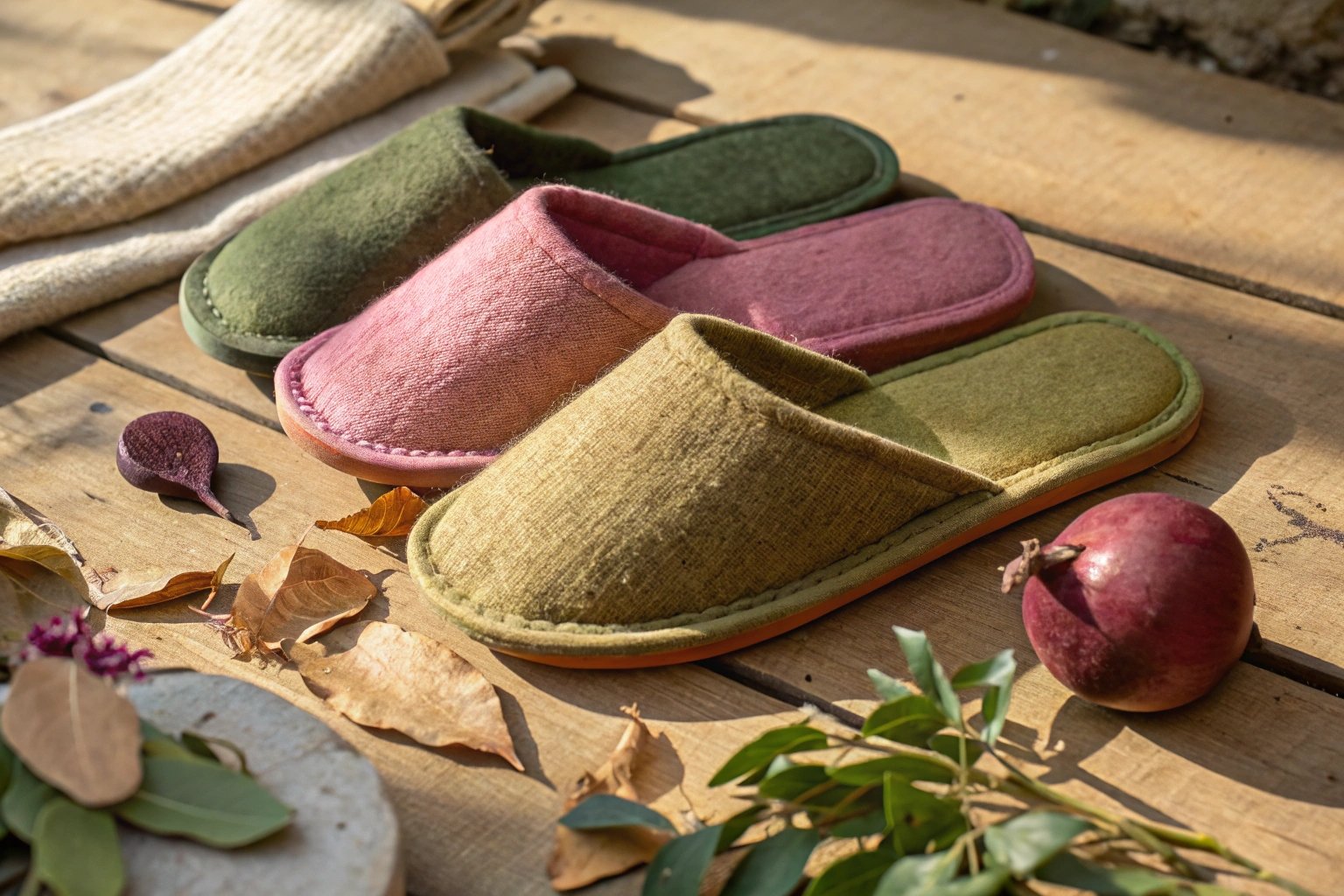
So, if vegetable dyes are a viable option, you need to consider which fabrics they work best with. Read on to learn how to make vegetable dyes work for your brand.
What fabrics are not good to dye?
Are you wondering which fabrics are unsuitable for vegetable dyes? You want to avoid disappointment and wasted resources.
Fabrics that are not good to dye with vegetable dyes are synthetic fibers like polyester, acrylic, and nylon. These materials do not easily absorb natural pigments, resulting in poor color uptake and fading.
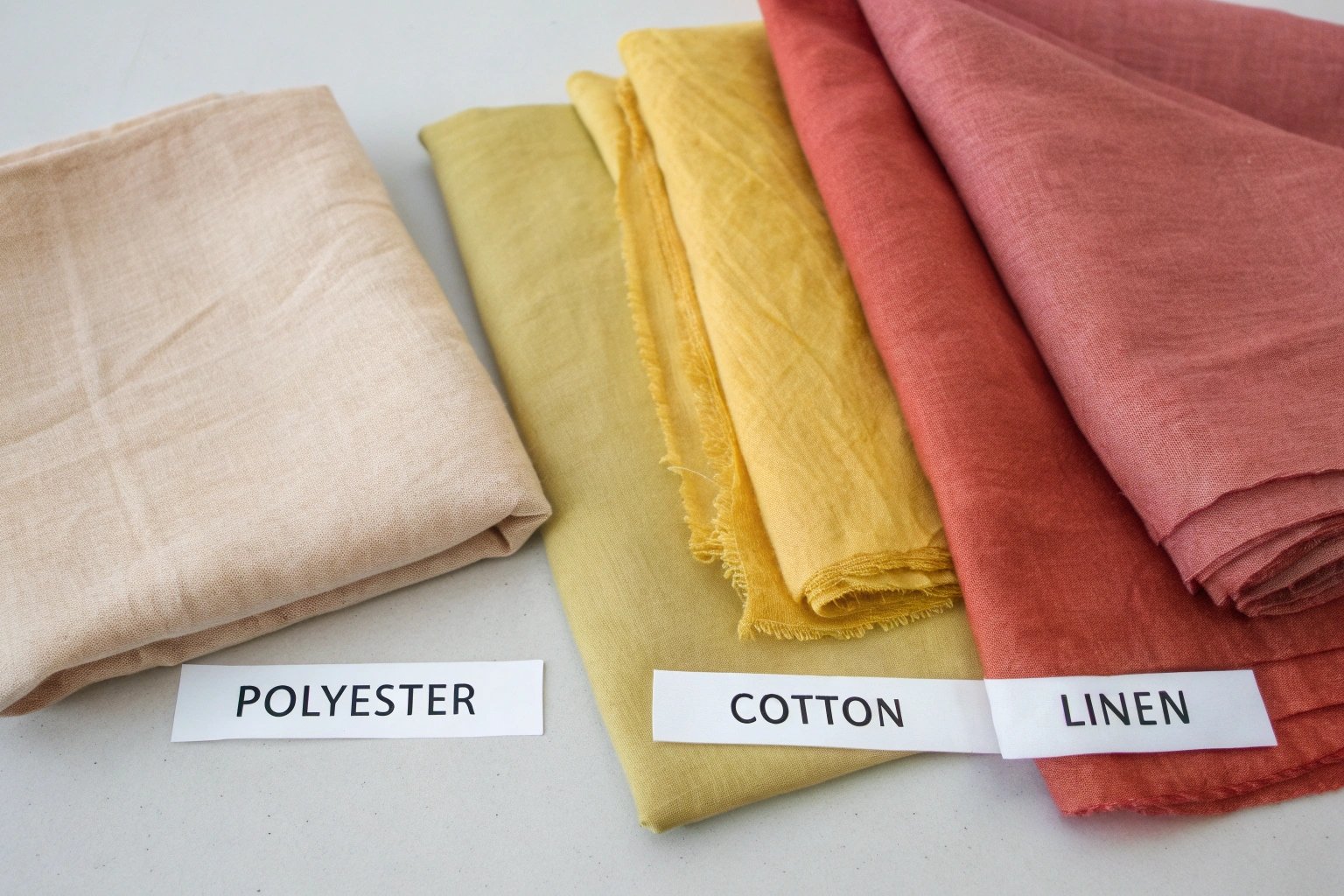
Let’s dive deeper. As a slipper manufacturer, I know the importance of fabric selection. Natural fibers like cotton, linen, and hemp are the best choices for vegetable dyes. They have a chemical structure that binds well with natural pigments.
On the other hand, synthetic fabrics are designed to resist dyes. Their smooth, non-absorbent surfaces prevent the dye from penetrating the fibers effectively. This leads to weak, uneven colors that fade quickly. Blends containing a high percentage of synthetic fibers will also be difficult to dye. A good rule of thumb is to choose fabrics made from 100% natural fibers for the best results.
For example, I once tried to dye a batch of polyester slippers with a beautiful beetroot dye. The color barely took, and what little color there was faded after just one wash. From that point on, I only used natural materials like cotton and linen for my vegetable-dye projects. I strongly recommend you do the same.
What vegetables can be used to dye fabric?
Are you curious about which vegetables can create vibrant dyes? The possibilities might be more diverse than you think.
Many vegetables can be used to dye fabric! Common choices include beets for pink, carrots for orange, spinach for green, red cabbage for purple, and onion skins for yellow or brown hues.
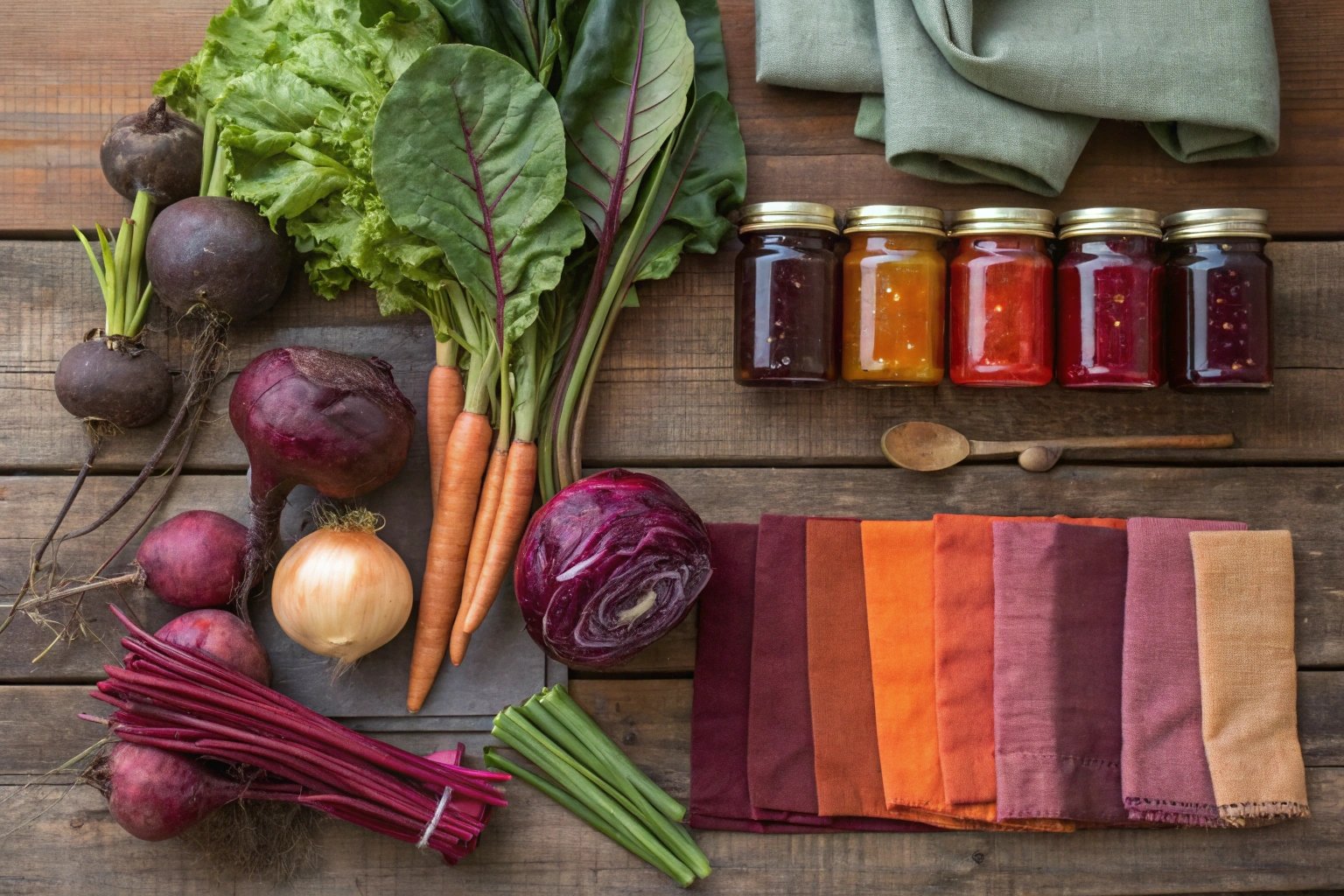
Let’s explore this further. I’ve experimented with a variety of vegetables, and each one offers unique color possibilities. The process begins with simmering the vegetables in water to extract their natural pigments. The fabric is then immersed in the dye bath and heated for an extended period to allow the color to bind to the fibers.
The intensity of the color depends on factors like the concentration of the dye bath and the duration of the dyeing process. Mordants, such as salt, vinegar, or alum, are often used to help set the color and improve its longevity.
For instance, I remember when I first used onion skins to dye a batch of cotton slippers. The result was a beautiful golden-brown color that gave the slippers a warm, earthy feel. I also tried using red cabbage, and the slippers turned a lovely shade of purple. These natural dyes not only add color but also a unique story to the products. This is why I am very fond of vegetable dyes.
How long does vegetable dye last?
Are you wondering about the durability of vegetable dyes on fabrics? Longevity is a key concern for any dye used in slipper production.
Vegetable dyes tend to fade more quickly than synthetic dyes. With proper care, vegetable-dyed fabrics can maintain their color for a reasonable period. Expect fading after several washes, especially if not using mordants.
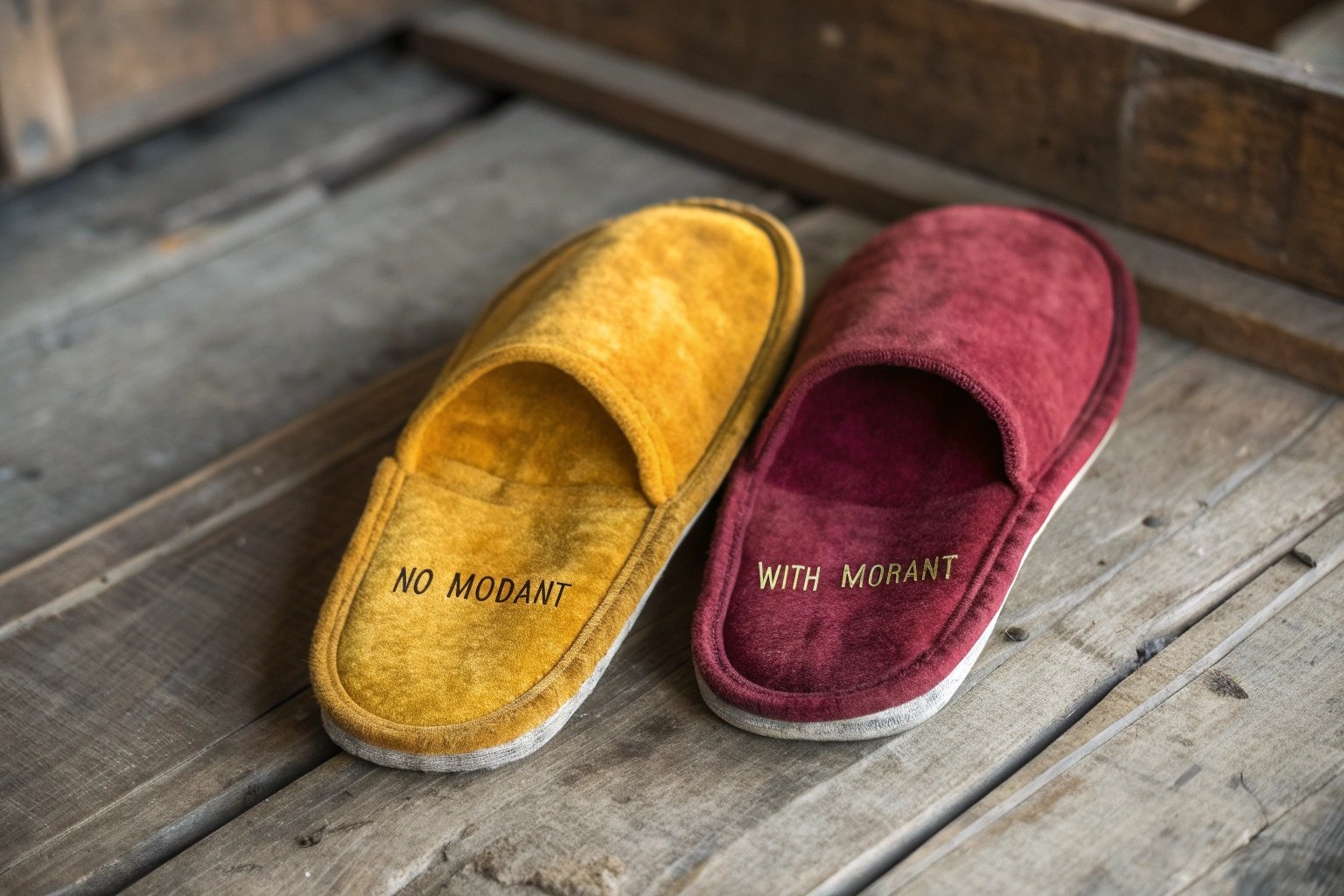
Let’s go into detail. The longevity of vegetable dyes depends on several factors. These include the type of dye used, the mordant, the fabric, and the care given to the dyed item. Generally, vegetable dyes are less colorfast than synthetic dyes, meaning they are more prone to fading over time.
To improve the durability of vegetable dyes, it’s important to use mordants. Mordants help bind the dye to the fabric, preventing it from washing out easily. Proper washing techniques are also crucial. Gentle hand washing or using a mild detergent in a cold water cycle can help preserve the color.
I remember once dyeing a batch of slippers with turmeric, which is known for its vibrant yellow color. I didn’t use a mordant, and the slippers faded significantly after just a few washes. From that experience, I learned the importance of using mordants and gentle washing methods to ensure the dye lasts longer. So, please remember to use mordants.
What is the difference between vegetable dye and natural dye?
Are you confused about the difference between vegetable dye and natural dye? Understanding the nuances can help you make informed choices.
Vegetable dyes are a subset of natural dyes. Natural dyes encompass dyes derived from any natural source, including plants (vegetables, fruits, flowers, leaves, roots), minerals, and animals, while vegetable dyes are specifically derived from vegetables.
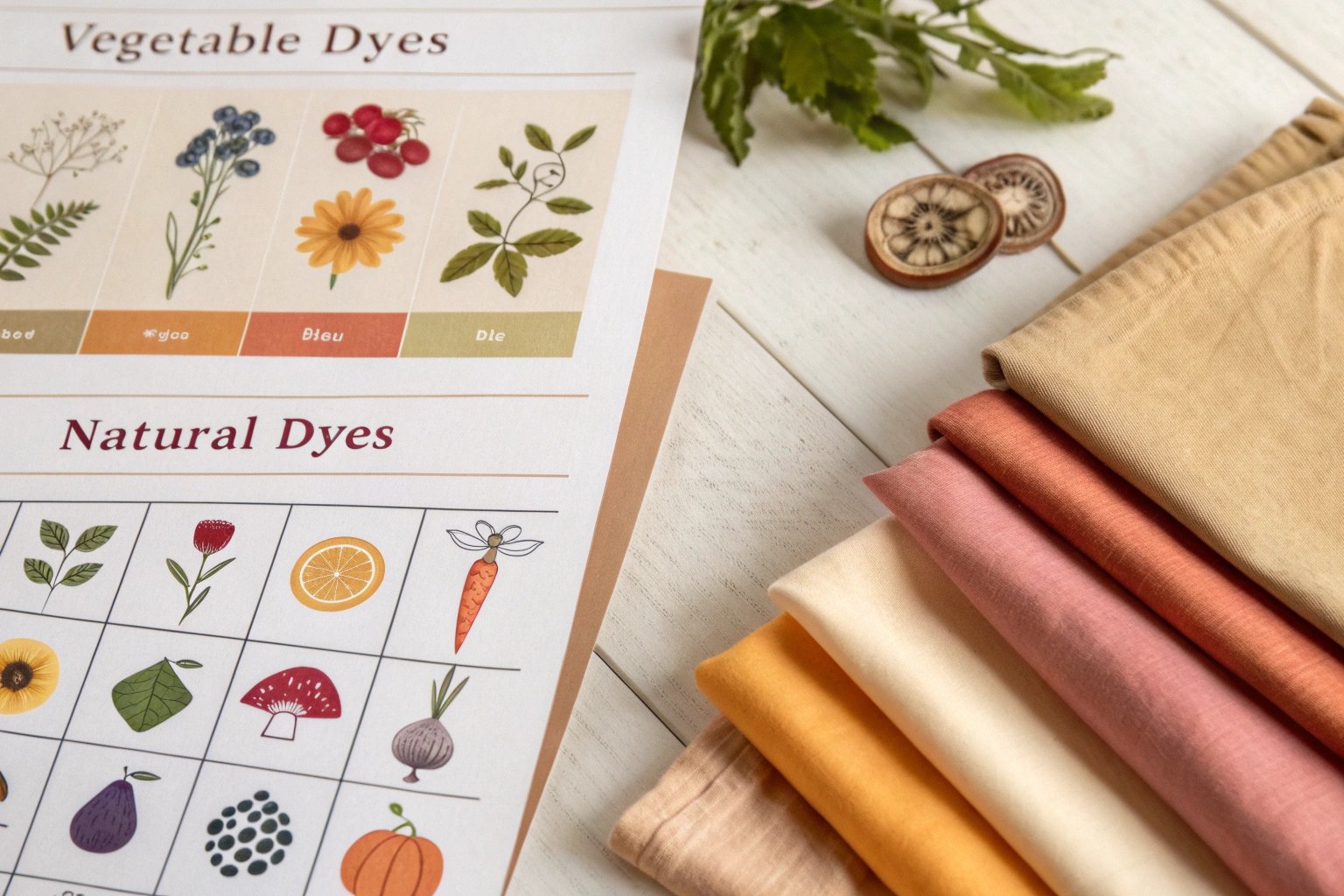
Here’s more on the topic. While all vegetable dyes are natural, not all natural dyes are vegetable dyes. Natural dyes are a broader category that includes a variety of sources. For example, indigo dye comes from the indigo plant. Cochineal dye comes from insects.
Vegetable dyes are limited to those extracted from vegetables. This distinction is important when considering the range of colors and properties available. Natural dyes offer a wider palette and different levels of colorfastness.
I once attended a workshop on natural dyeing. I was surprised to learn about the many different sources of natural dyes. I had always assumed that natural dyes were only from plants. This opened my eyes to the diverse possibilities of natural dyeing and the unique qualities of each dye source. So, do a little research, there are many other options available.
Conclusion
Vegetable dyes offer a sustainable and beautiful option for coloring slipper fabrics. Always remember to consider their limitations when deciding.