The warmest slippers often feature a combination of thick insulation and a material like wool or shearling. These materials trap heat and keep your feet cozy, even on the coldest days.
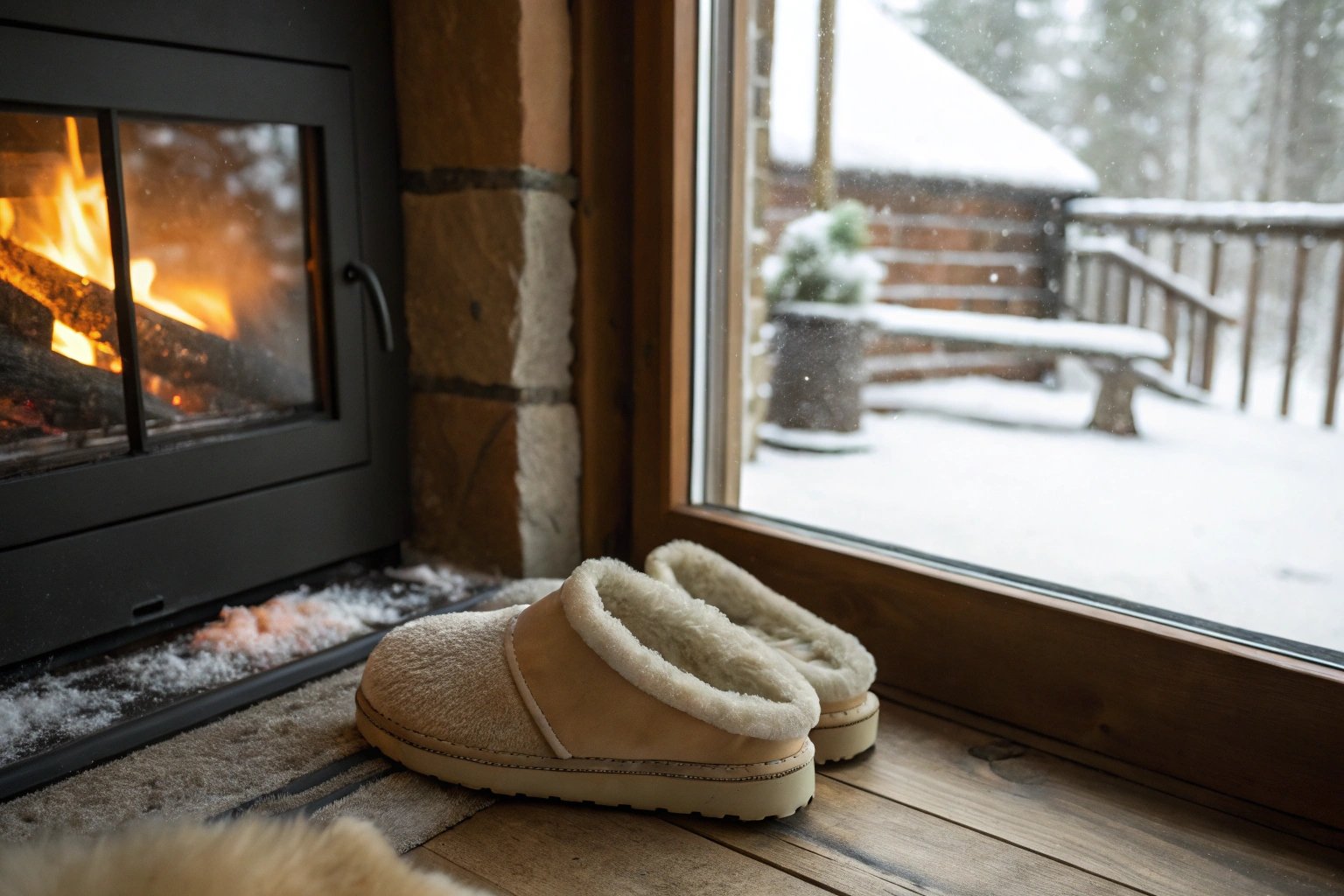
So, how do you pick the right ones? Let’s explore the factors that make some slippers warmer than others. Keep reading!
What Materials Make Slippers Warm?
Wool and shearling are excellent insulators, trapping heat effectively. Other warm materials include fleece and down.
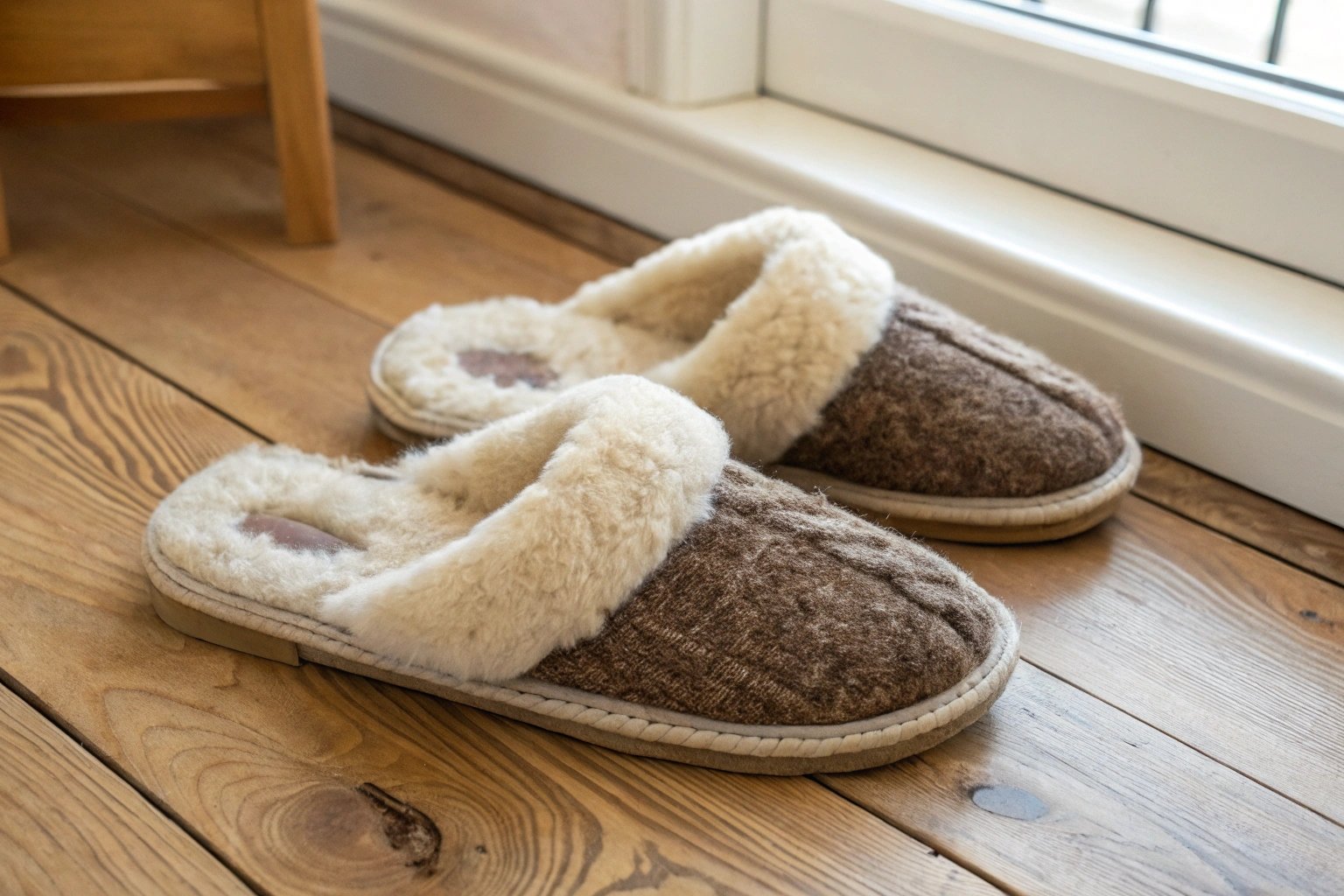
When it comes to warm slippers, material is key. Wool is a classic choice. It’s naturally crimped. This creates air pockets that trap heat. Shearling, which is sheepskin with the wool still attached, is even warmer. It’s incredibly soft and cozy. Fleece is a synthetic alternative. It’s lightweight and warm, but not quite as effective as wool. Down is another option. It’s incredibly warm and lightweight. However, it can be expensive and difficult to care for.
Here’s a simple breakdown:
| Material | Warmth Level | Pros | Cons |
|---|---|---|---|
| Wool | High | Natural, breathable, moisture-wicking | Can be itchy for some |
| Shearling | Very High | Extremely soft, excellent insulation | Expensive, requires special care |
| Fleece | Medium | Affordable, lightweight, easy to care for | Not as warm as wool or shearling |
| Down | Very High | Lightweight, incredibly warm | Expensive, difficult to clean, not good when wet |
I remember one winter. My feet were always freezing in my old slippers. I switched to shearling slippers. The difference was night and day! My feet stayed toasty all winter long.
Does Slipper Construction Affect Warmth?
Yes, slipper construction plays a big role. Look for slippers with a closed-back design. These keep more heat in compared to open-back styles. Also, consider the thickness of the sole for insulation from the floor.
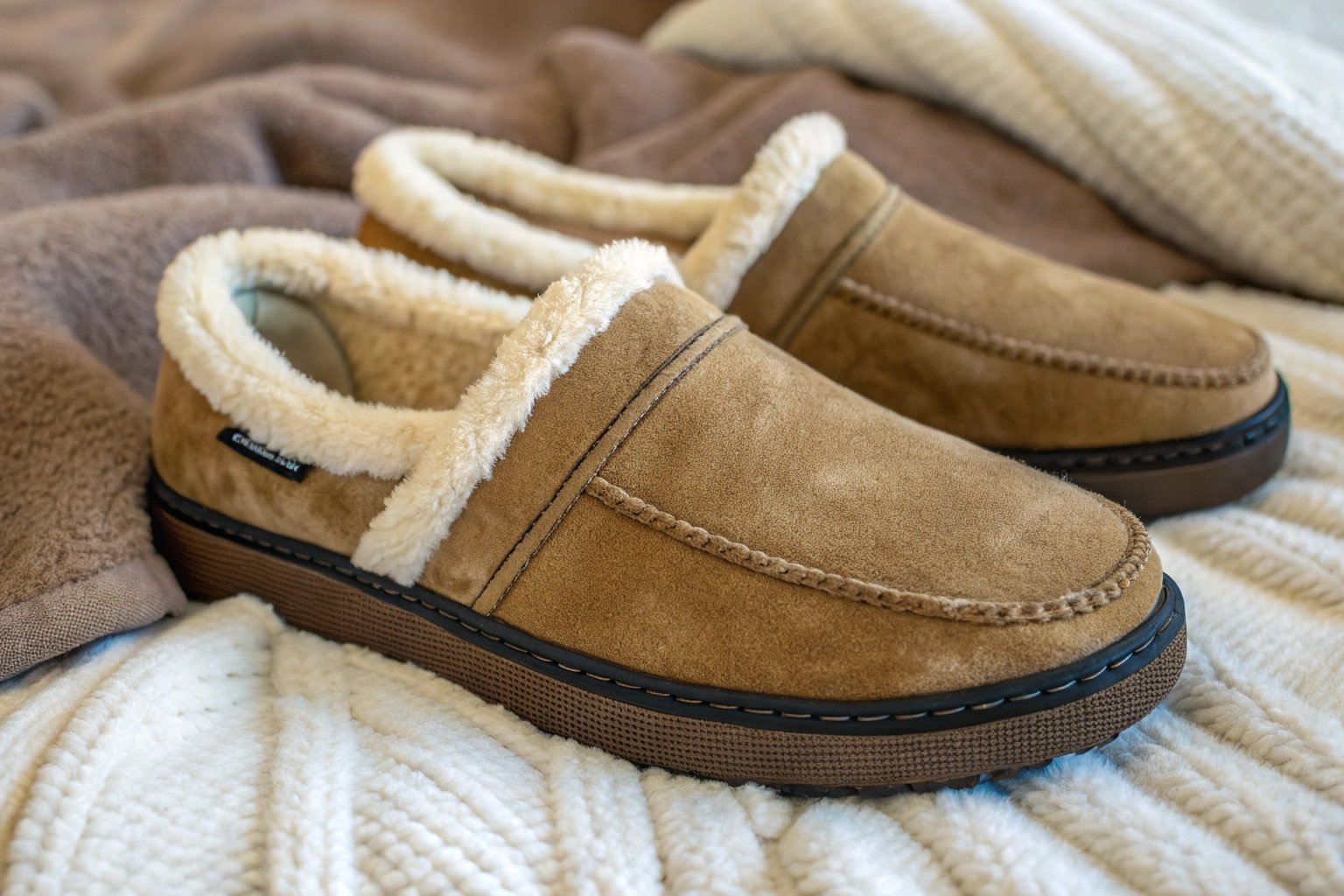
The way a slipper is put together matters just as much as the material. Closed-back slippers are like little insulated cocoons for your feet. They trap heat and keep drafts out. Open-back slippers are more breathable. But, they let heat escape more easily. The thickness of the sole is also important. A thick sole acts as a barrier between your foot and the cold floor. Look for soles made of materials like rubber or EVA foam. These materials provide good insulation.
Here’s a comparison of different construction features:
| Feature | Impact on Warmth | Pros | Cons |
|---|---|---|---|
| Closed-Back | High | Traps heat, keeps drafts out | Can feel too warm in mild weather |
| Open-Back | Low | Breathable, easy to slip on and off | Lets heat escape, not ideal for cold weather |
| Thick Sole | Medium | Insulates from cold floors | Can be bulky and less flexible |
| Thin Sole | Low | Lightweight, more flexible | Doesn’t provide much insulation |
I once bought a pair of cute open-back slippers. They looked great. But my feet were always cold. The thin sole did nothing to block the chill from the tile floor. I quickly learned my lesson!
How Do Slipper Linings Impact Warmth?
The lining of a slipper is what comes into direct contact with your skin. A warm lining, such as fleece or faux fur, can greatly enhance the slipper’s overall warmth.
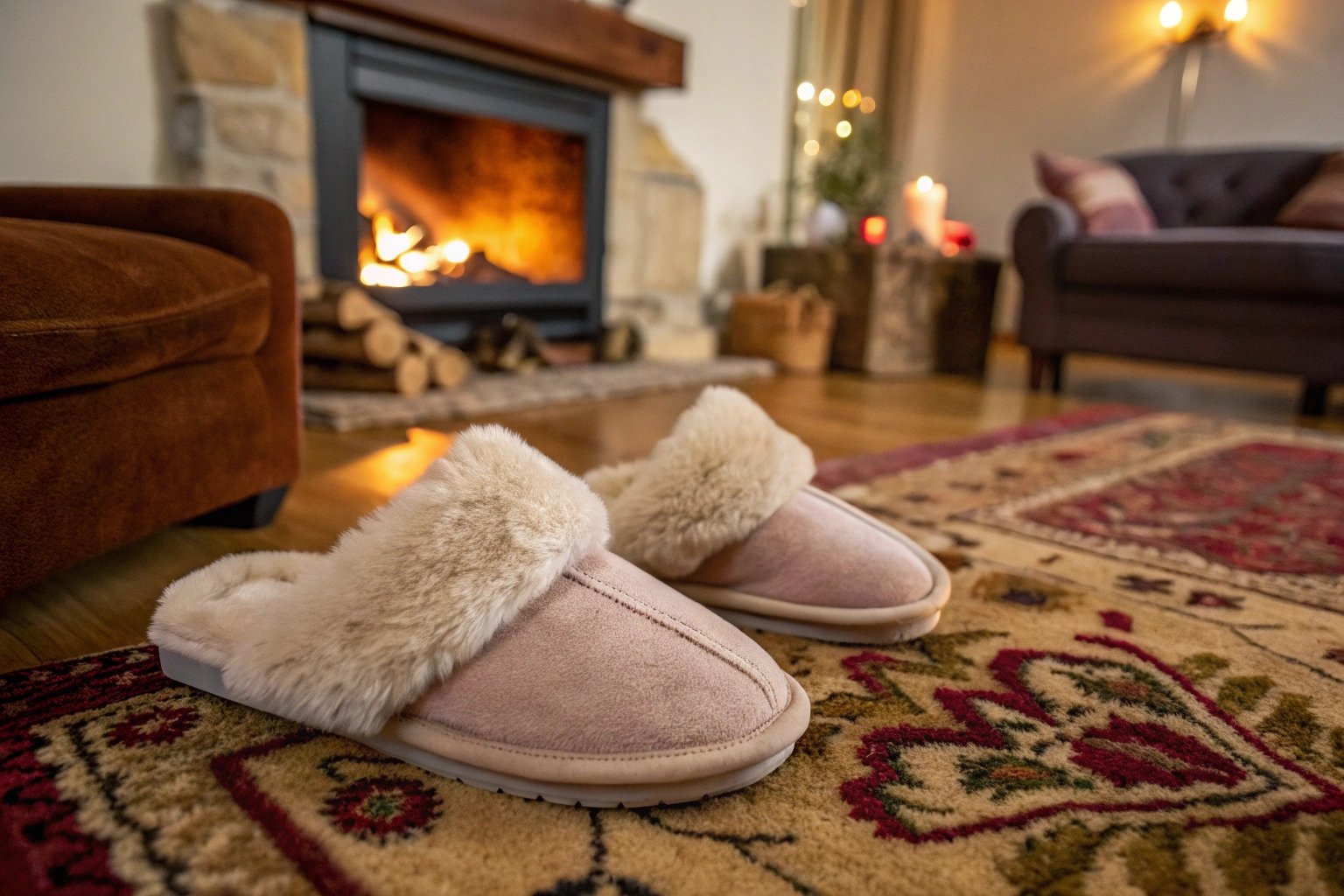
The lining is the inside layer of the slipper. It’s what your foot feels directly. A good lining can make a big difference in how warm the slipper feels. Fleece linings are soft and cozy. They trap heat well. Faux fur linings are similar to fleece. They provide extra warmth and a luxurious feel. Some slippers even have wool linings. These are incredibly warm and moisture-wicking.
Consider these lining options:
| Lining | Warmth Level | Pros | Cons |
|---|---|---|---|
| Fleece | Medium | Soft, cozy, affordable | Can wear down over time |
| Faux Fur | High | Luxurious feel, extra warm | Can be bulky, may not be as breathable |
| Wool | Very High | Excellent insulation, moisture-wicking | Can be itchy for some, may require special care |
| Bare | N/A | Allow you to add your own socks | Depends on the socks |
I used to think all slipper linings were the same. I was wrong! I bought a pair with a cheap, thin lining. My feet were still cold. Once I switched to fleece-lined slippers, I was amazed at the difference.
Conclusion
The warmest slippers use great materials, smart design, and cozy linings to keep your feet warm all winter. So, choose wisely!