
The comfort and safety of elderly individuals are often compromised by unsuitable footwear choices. The right indoor slippers can make all the difference.
Indoor slippers suitable for the elderly should have non-slip soles, supportive cushioned insoles, and easy-to-wear designs. They should prioritize comfort, safety, and practicality to prevent falls and ensure daily ease of use.
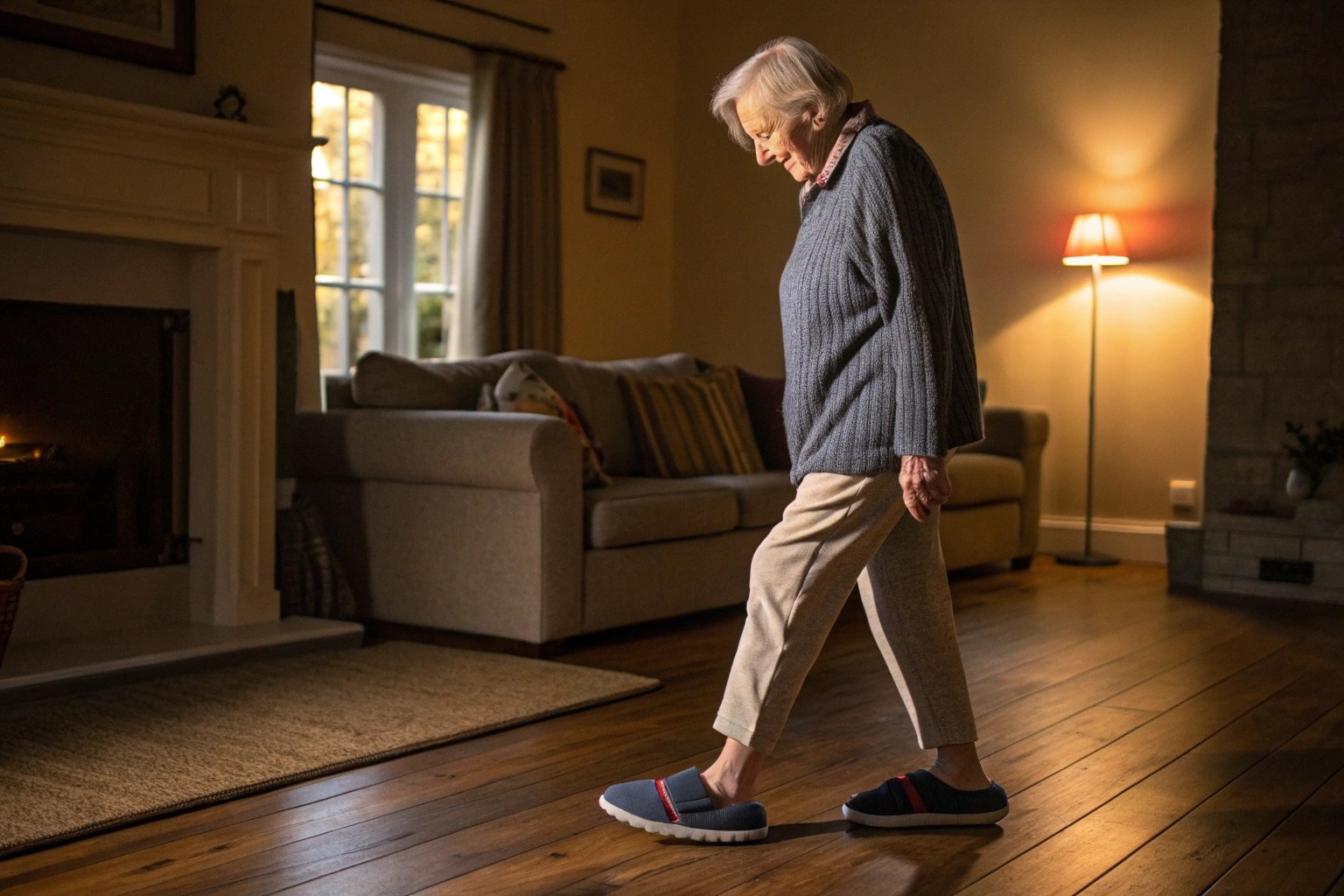
Choosing the correct indoor slippers for elderly individuals requires careful consideration of their specific needs, including comfort, support, and ease of wear. Exploring these aspects can enhance their daily living and provide peace of mind.
What features make slippers ideal for the elderly?
Footwear for elderly individuals must address potential mobility challenges. Slippers that meet these specific requirements can greatly enhance their quality of life.
The ideal slipper for elderly individuals should have non-slip soles to prevent falls, cushioned insoles providing support and relief from pressure points, and adjustable closures for easy wear and removal. Special attention to durability and warmth offers added comfort and practicality.

For the elderly, the choice of slippers can influence daily comfort and safety. Non-slip soles are critical to preventing falls, while cushioned insoles enhance comfort. Adjustability ensures easy wearability. Here’s how these features support elderly needs:
| Feature | Benefits |
|---|---|
| Non-slip soles | Prevents falls, ensures secure footing |
| Cushioned insoles | Reduces discomfort, supports foot health |
| Adjustable closures | Facilitates easy wear, accommodates swelling |
Durability fortifies the slipper, ensuring longevity even with extensive use. Features like warmth retention are especially beneficial in colder environments. Quality of life can significantly improve through choosing slippers tailored to these needs.
How can OEM and ODM designs address elderly needs?
We often take for granted the intricate design considerations that go into producing footwear suitable for elderly users. OEM and ODM designs can offer tailored solutions.
OEM and ODM designs can customize slippers specifically for elderly needs by incorporating materials like memory foam for comfort, Velcro straps for easy adjustment, and reinforced soles for added safety. This customization ensures that elderly individuals are comfortable and safe, considering their unique challenges.
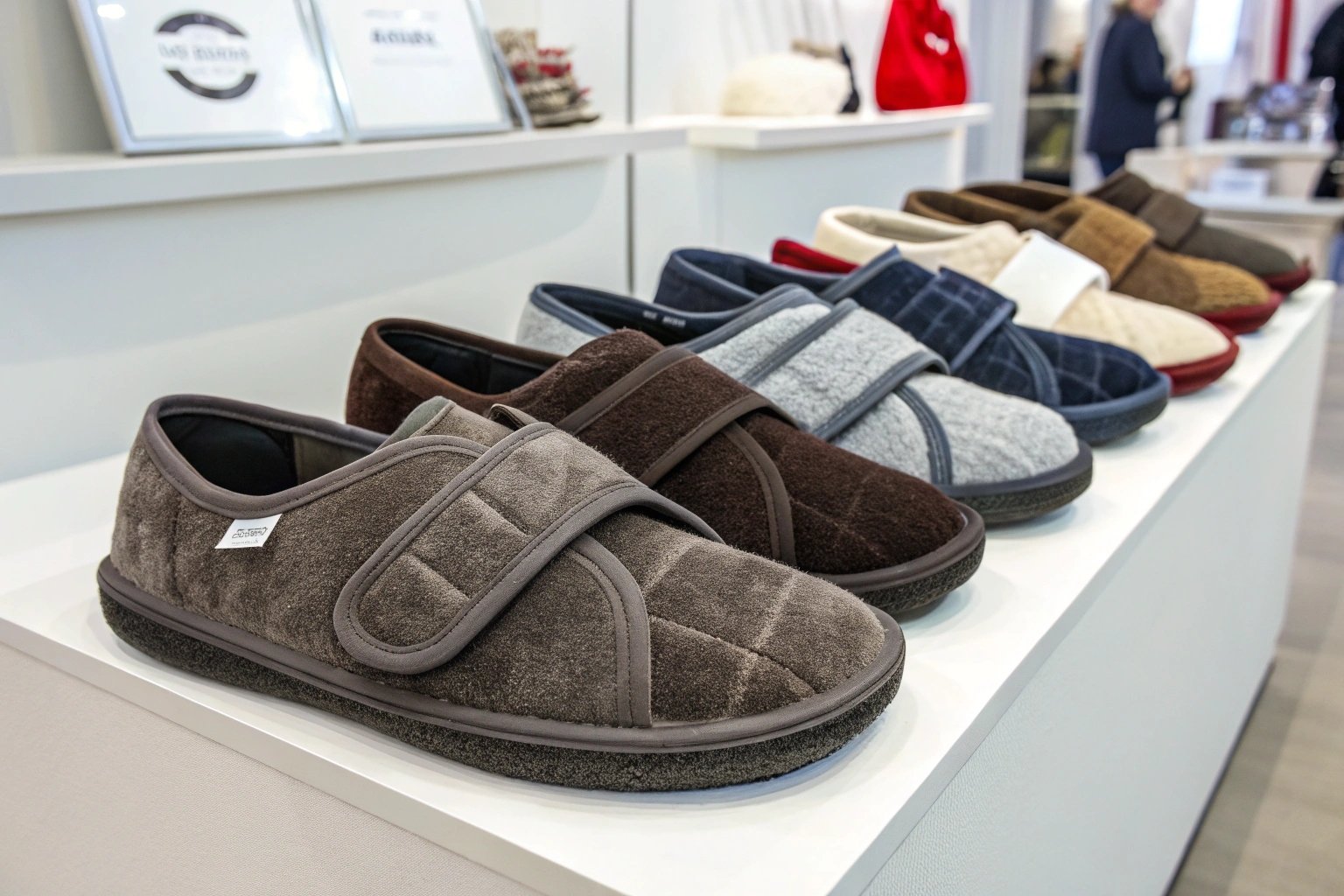
OEM (Original Equipment Manufacturer) and ODM (Original Design Manufacturer) designs offer substantial customization possibilities. This is pivotal for elderly footwear which demands unique specifications. Utilizing materials like memory foam can dramatically increase comfort through superior cushioning.
| Customization | Advantages |
|---|---|
| Memory foam insoles | Provides personalized foot support |
| Velcro straps | Simplifies wearing, eases pressure on arthritic hands |
| Reinforced soles | Adds safety, longevity, and support |
These customized designs tackle specific challenges faced by elderly individuals. Memory foam addresses pressure point concerns, Velcro increases accessibility, and reinforced soles enhance safety. Through these sophisticated design elements, slipper manufacturers can elevate comfort and safety for elderly users, crafting a footwear solution fit for their specific needs.
What should be considered in wholesale slipper purchases for seniors?
Buying slippers in bulk necessitates considering factors crucial for seniors’ comfort and safety. Key considerations ensure optimal well-being for elderly customers.
When purchasing slippers wholesale for seniors, consider the design consistency for safety features, the comfort level provided by materials like memory foam, and ensuring adjustable closures for easy wear. Quality assurance checks should confirm product adherence to safety and comfort standards.

Purchasing slippers wholesale for elderly individuals demands attention to several details. Consistent design is vital, ensuring that safety features like non-slip soles are uniform across all pairs. Memory foam liners should uniformly offer comfortable cushioning. Adjustable closures like Velcro straps simplify wearability, adapting to varying foot shapes and sizes.
Quality assurance processes must verify that each slipper maintains safety, comfort, and practicality standards. Beyond comfort, these slippers should be durable and suit varying weather conditions. Retailers should select manufacturers who commit to these stringent standards, ensuring that slippers effectively meet the unique needs of the elderly demographic.
How does slipper choice impact elderly well-being?
Choosing the right slippers can positively impact the elderly’s daily comfort and overall well-being.
The right slippers can improve elderly well-being by providing comfort, reducing fall risks, and supporting foot health through ergonomic designs. Proper slipper choice tackles mobility issues, enhances comfort, and mitigates environmental challenges, contributing significantly to daily well-being.
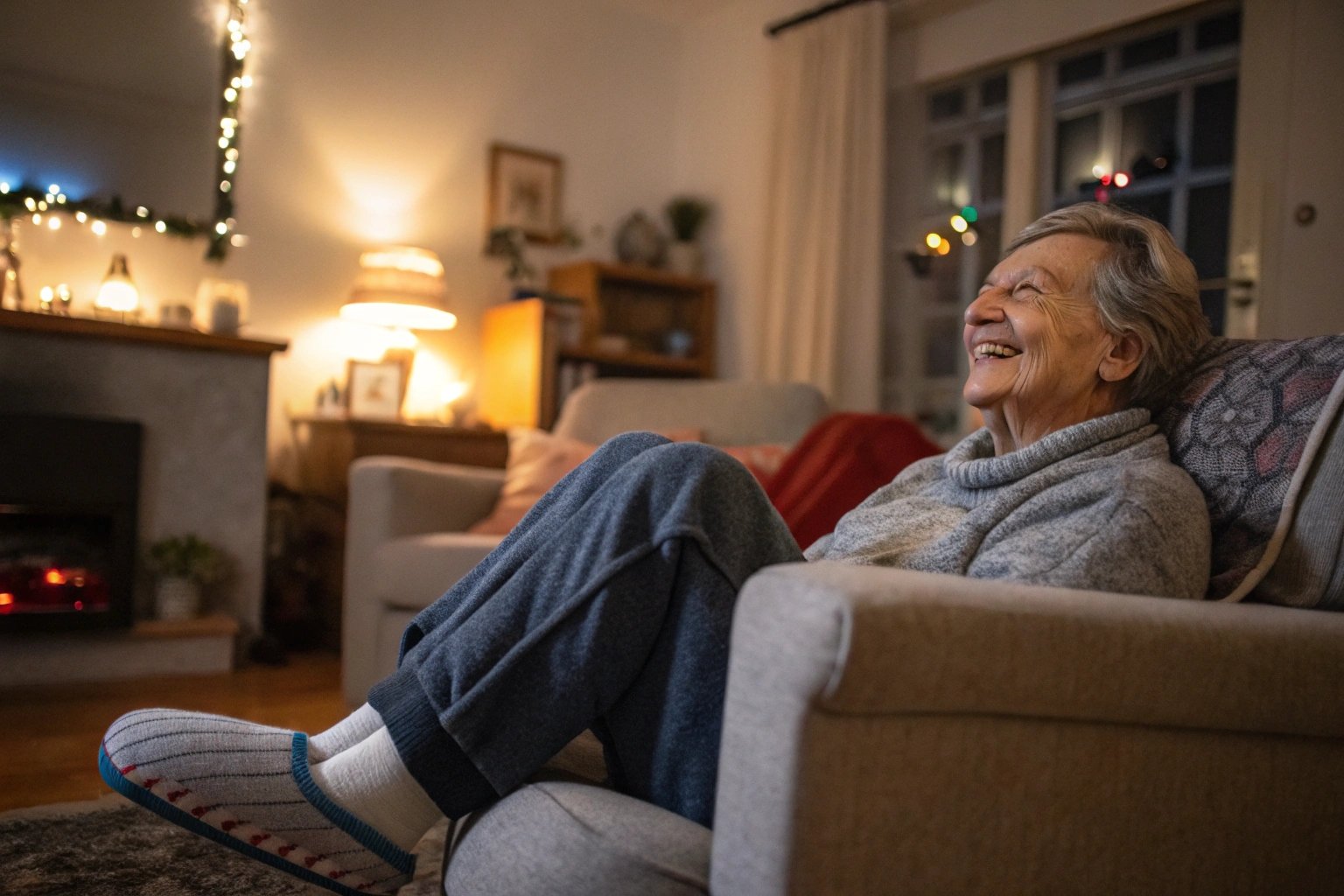
Comfort, safety, and foot health are at the forefront of footwear considerations for elderly individuals. The right slippers can alleviate discomfort linked to pressure points, reduce fall risks, and promote foot health. A non-slip sole and reinforced support enhance stability, while cushioned insoles cushion joints and bones from external stress.
Slippers also play a role in adapting to environmental challenges, mitigating risks associated with colder surfaces and uneven flooring. Emphasizing these factors can supplement elderly individuals’ quality of life, addressing both immediate comfort needs and long-term health concerns. Ultimately, the correct footwear can provide significant peace of mind.
Conclusion
Choosing the right indoor slippers for the elderly focuses on comfort, safety, and practicality. Proper selection can enhance their daily living experience, leading to improved well-being.