
Worried about your slippers wearing out too quickly? It’s a common problem, and you’re not alone.
Abrasion tests on plastic slippers check how well they resist wear and tear. This helps ensure they last longer and stay comfortable.
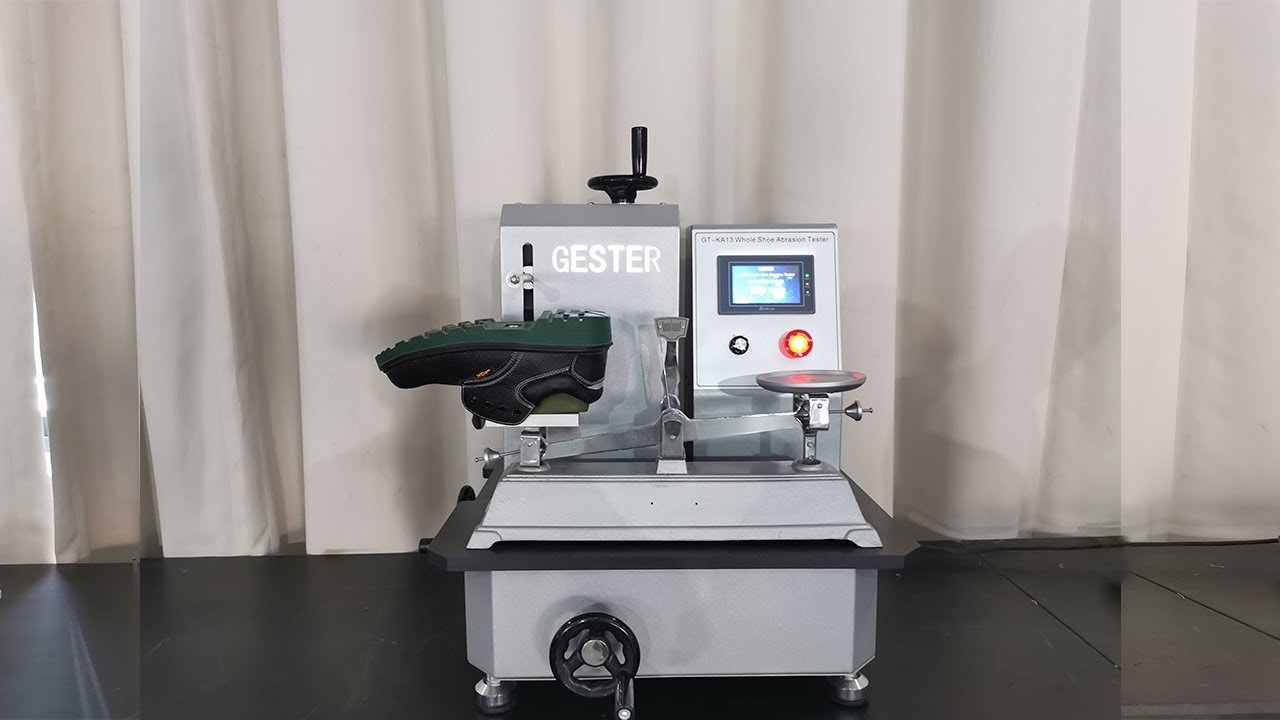
But how do we ensure our slippers can withstand daily use? Let’s dive into the world of abrasion testing!
What is the Taber abrasion test for slippers?
Slippers wear out fast? You’re probably wondering how to check their resistance to abrasion.
The Taber abrasion test is a common method to evaluate the wear resistance of materials. It uses a machine with abrasive wheels to simulate wear.
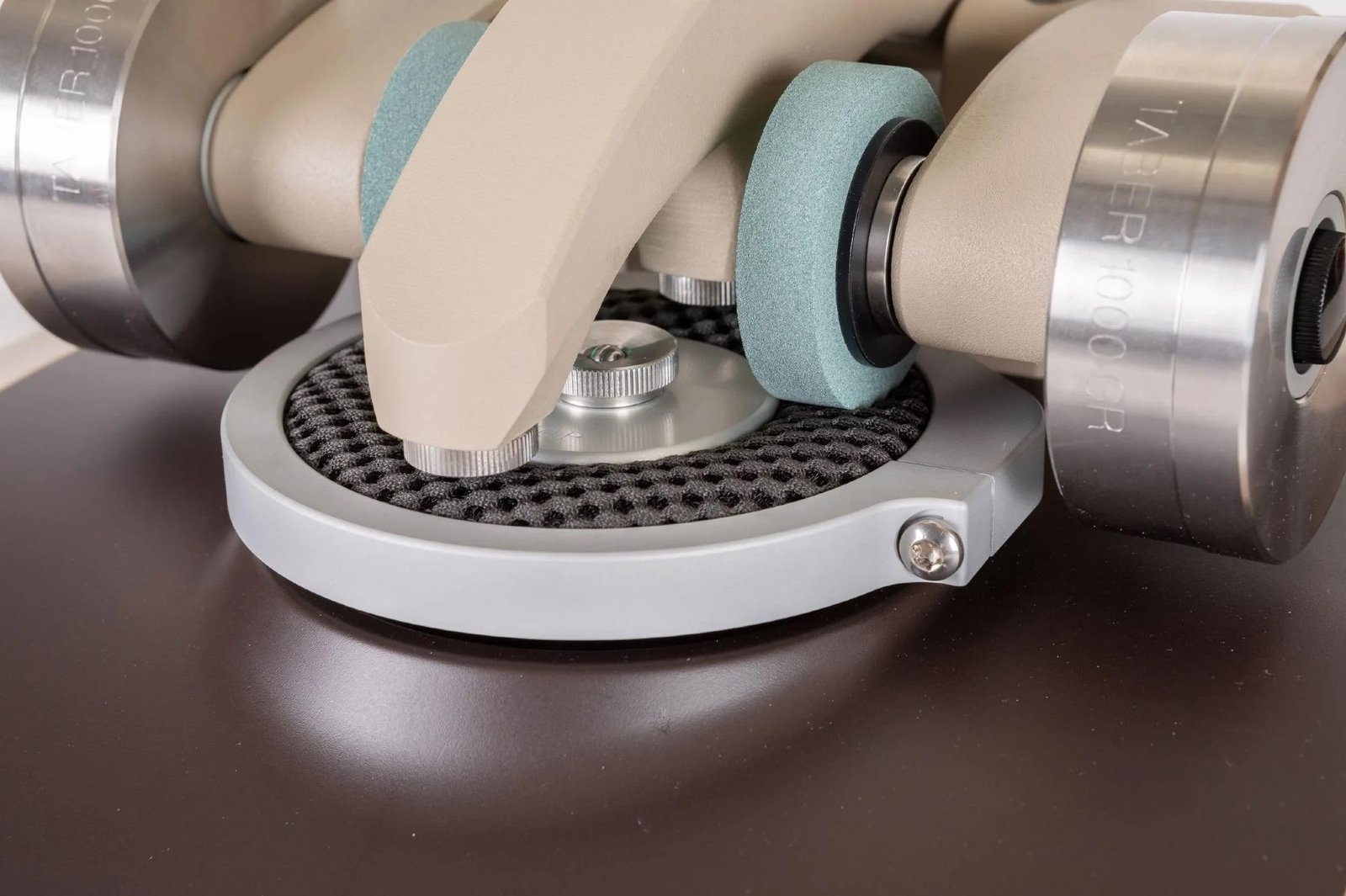
The Taber abrasion test is a standardized method used to assess the wear resistance of various materials, including those used in slipper manufacturing. It uses a Taber Abraser machine, which consists of abrasive wheels that rub against the surface of the material being tested. The key parameters are the type of abrasive wheels used, the load applied to the wheels, and the number of cycles the test is run for.
| Parameter | Description |
|---|---|
| Abrasive Wheels | Different types available, such as CS-10 (for general purpose) or CS-17 (for more abrasive). |
| Load Applied | Weight applied to the abrasive wheels, influencing the force of abrasion. |
| Number of Cycles | The number of times the wheels rotate against the material, simulating wear over time. |
| Measurement of wear | Weight loss of test sample, thickness loss of test sample, Volume loss of test sample. |
The Taber abrasion test is a good method, because it can test the abrasion resistance of various slippers materials, but the Taber abrasion test also has its limitations, such as failing to simulate the effects of different types of friction, and the test process is more time-consuming. During my time in the slipper industry, I have seen the slippers go through all kinds of abrasion resistance tests. The Taber abrasion test is just one of them.
What other methods are used to test the abrasion resistance of slippers?
Worried that Taber abrasion testing is too limited? There are indeed other ways to check slipper durability.
Besides the Taber test, other abrasion tests include the Martindale test, the Wyzenbeek test, and the flexing test. Each test simulates different types of wear.
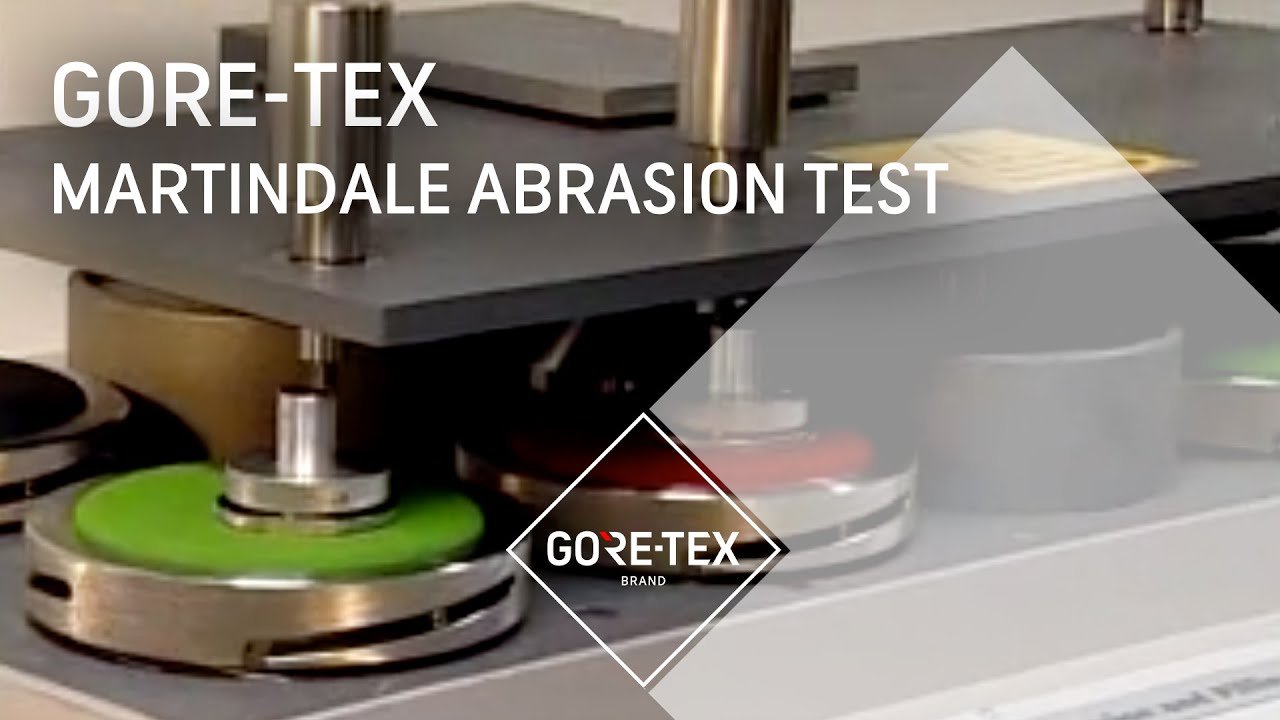
While the Taber abrasion test is widely used, it’s not the only method available. The choice of testing method often depends on the specific requirements of the slipper and the type of wear it’s expected to endure.
- Martindale Abrasion Test: This test is commonly used for textiles and involves rubbing a specimen against an abrasive surface in a figure-eight motion. It’s good for testing the abrasion resistance of slipper fabrics.
- Wyzenbeek Abrasion Test: Similar to the Martindale test, but uses a different type of abrasive material and a linear motion. It’s also suitable for testing slipper fabrics.
- Flexing Test: This test involves repeatedly bending or flexing the slipper material to assess its resistance to cracking or breaking. It is particularly useful for evaluating the durability of the sole and upper connections.
- Visual Inspection: Sometimes, a simple visual check can find the abrasion resistance of slippers, through the wear of slippers, and the loss of raw material to judge its quality.
Each of these tests provides a unique perspective on the abrasion resistance of slippers. I remember one time when a client specifically requested a flexing test. They wanted to make sure the sole wouldn’t crack after extended use. It shows how important it is to pick the right test for the job.
How do these tests help ensure the quality of slippers?
Wondering how all this testing benefits you? It’s all about getting a better product.
Abrasion tests help slipper manufacturers choose durable materials. They also help improve slipper design for longer lifespan and better comfort.
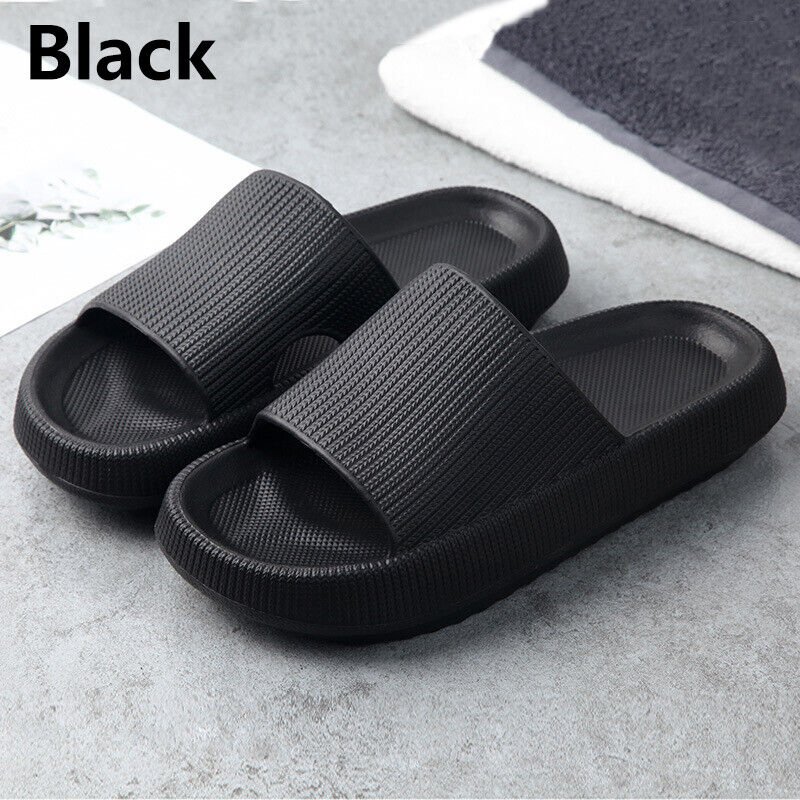
By conducting abrasion tests, manufacturers like Ningbo Cotton Slipper Co., Ltd. can gather valuable data about the performance of different materials and designs. This information is crucial for making informed decisions that ultimately lead to better slippers.
Here’s how these tests contribute to slipper quality:
- Material Selection: Abrasion tests help identify materials that are resistant to wear and tear. For example, we can compare different types of EVA plastic to see which one holds up best under abrasive conditions.
- Design Improvement: Testing different designs can reveal areas that are prone to wear. By reinforcing these areas, we can improve the overall durability of the slipper.
- Quality Control: Abrasion tests can be used as part of a quality control program to ensure that slippers meet certain standards before they are shipped to customers.
- Meeting Standards: Our slippers meet standards of CE, RoHS, REACH, EN ISO 13287 etc., and with the help of these abrasion tests, we have the confidence to meet these standards.
I remember one instance where we tweaked the design of a slipper based on abrasion test results. We added extra padding to a high-wear area, which significantly improved its durability. That’s the power of these tests – they help us create better products for our customers.
Conclusion
Abrasion tests are an important method for evaluating the quality and durability of slippers. The tests help manufacturers ensure that their slippers can withstand daily wear.