Are you tired of slipping and sliding around your house in your slippers? It’s a common problem, and it can be dangerous!
The sole texture of slippers greatly affects their anti-slip ability. Different textures and materials provide varying levels of grip on different surfaces, improving safety and stability.
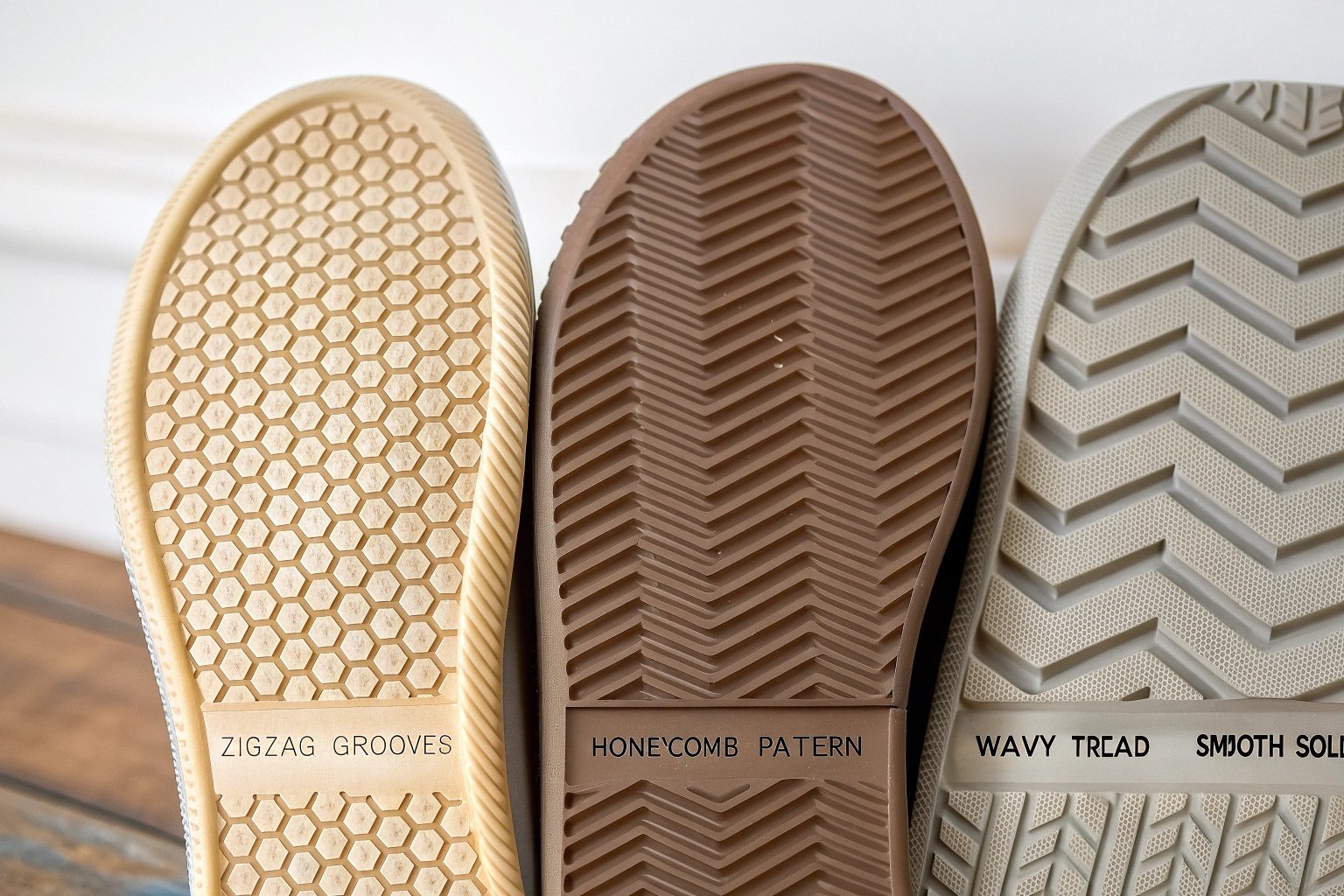
To find out why sole texture matters, let’s dive deeper into the world of slipper soles.
Which sole material is best for anti-slip?
Do you wonder which slipper sole will keep you from falling? With so many options, it’s hard to know which one is safest.
The best anti-slip sole materials include rubber, thermoplastic rubber (TPR), and PVC. These materials offer excellent grip due to their high coefficient of friction, which means they provide more resistance against slipping on smooth surfaces.
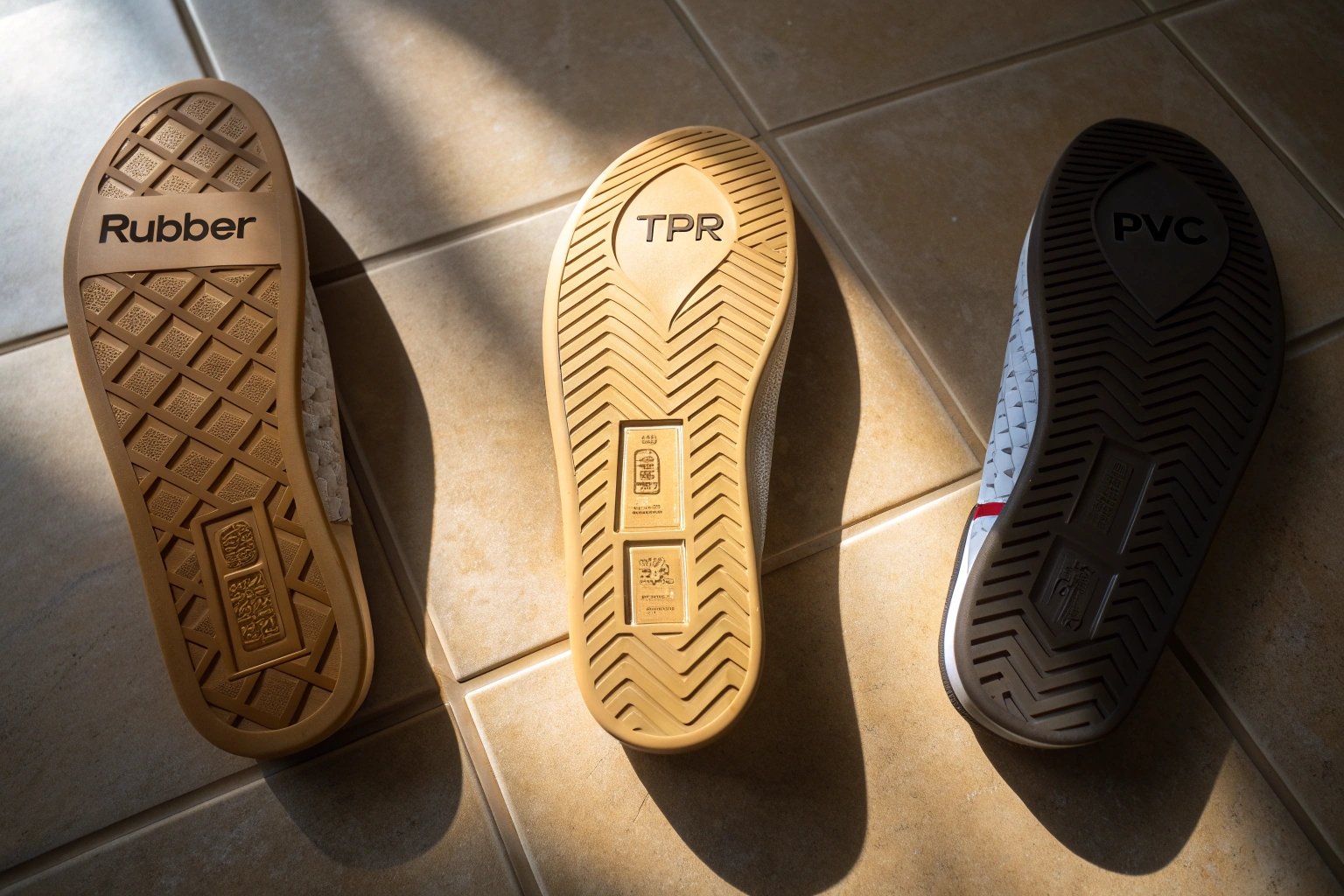
To understand the impact of sole materials on anti-slip performance, it’s important to consider several key factors. These include the material’s grip, durability, and how it interacts with various floor surfaces.
Here’s a breakdown of common sole materials and their anti-slip properties:
| Material | Grip | Durability | Surface Compatibility | Notes |
|---|---|---|---|---|
| Rubber | Excellent | High | Excellent on most surfaces | Offers superior grip and is resistant to wear, making it a top choice for anti-slip soles. |
| Thermoplastic Rubber (TPR) | Very Good | Medium | Good on most surfaces | A cost-effective alternative to rubber, providing good grip and flexibility. |
| PVC | Good | Medium | Good on smooth, dry surfaces | Provides decent grip and is commonly used in inexpensive slippers, but can be slippery on wet or oily surfaces. |
| EVA | Poor | Low | Poor on smooth surfaces | Lightweight and comfortable, but offers minimal grip and is not recommended for anti-slip purposes. |
| Suede/Leather | Poor | Low | Poor on smooth surfaces | Often used for aesthetic purposes, but provides little to no anti-slip benefit. |
As you can see, rubber stands out as a top contender due to its exceptional grip and durability. TPR is a close second, offering a good balance of grip and cost-effectiveness. PVC can be suitable for dry environments, but it’s best to avoid EVA and suede soles if you prioritize safety.
Conclusion
In short, the sole texture and material are key to preventing slips in slippers. Choose rubber or TPR soles with a good tread pattern for the best grip.