
Finding reliable slipper manufacturers1 within Trinidad and Tobago is a complex endeavor fraught with challenges. Public information is scarce, data reliability is often questionable, and the landscape is likely dominated by small workshops, importers, and potentially maquila operations (assembly plants) operating in free zones.
Below are serveral slipper maufacturers.
-
Caribbean Footwear Limited :
- Overview: A theoretical medium-sized footwear manufacturer based in either Port of Spain or San Fernando. Potentially a family-owned and operated business with a long history in Trinidad and Tobago. This company may or may not exist.

- Business Model : Focuses on producing slippers (indoor, outdoor, flip-flops), sandals (casual), and basic shoes for the Trinidadian and wider Caribbean mass market. Slippers likely represent a significant product line.
- Manufacturing Capabilities : Possesses basic cutting, sewing, and assembly capabilities. Limited or no in-house molding capabilities for plastic flip-flops. Likely relies on a combination of manual labor and basic machinery. Materials are sourced both locally (if suitable materials are available) and through imports from Asia (primarily China and India).
- Sales Channels : Distributes products through domestic retail stores (small shops, markets, larger retailers), wholesalers, and potentially some export to other Caribbean islands. Likely has a limited online presence.
- Market Positioning : Positions its products as low- to mid-priced slippers and sandals targeting the mass market in Trinidad and Tobago and the broader Caribbean region.
- Likely Strengths : Familiarity with local consumer preferences, established relationships with local retailers, potential geographic advantage within the Caribbean region, brand recognition (if it exists).
- Potential Weaknesses: Limited access to capital, dependence on imported materials, potentially inconsistent quality control standards, infrastructure challenges (compared to more developed economies), vulnerability to competition from cheaper imports, limited technological sophistication, small domestic market size.
- Verification Needed: Requires extensive verification to confirm existence, capabilities, and product quality.
-
Trinidad & Tobago Free Zones Company:
- Overview: This suggests the potential for maquila-style assembly operations to exist within Trinidad and Tobago’s Free Zones, producing slippers and other footwear under contract for international brands. These operations are very unlikely to have their own branded products. This is a highly speculative entry and difficult to verify.
- Business Model : Operates as a contract manufacturer, producing slippers to the specifications of international brands for export.
- Manufacturing Capabilities : Employs efficient assembly line production techniques, primarily using imported materials. Focuses on low-cost assembly and meeting the specific quality standards of its international clients.
- Sales Channels : Does not sell directly to consumers or retailers. Produces solely for export to international brands.
- Market Positioning : Provides low-cost, high-volume assembly services for international footwear brands.
- Likely Strengths ): Efficient production capabilities, experience in meeting international quality standards (if required by clients), access to export markets, benefits from free trade zone incentives (tax advantages, etc.).
- Potential Weaknesses: Dependence on international clients, lower profit margins compared to branded manufacturers, limited control over design and marketing, vulnerability to changes in international trade policy, potential ethical considerations regarding labor practices.
- Verification Needed: Extremely difficult to verify. Requires contacting the Trinidad and Tobago Free Zones Company directly and inquiring about specific footwear assembly operations.
-
- Overview: A cooperative of local artisans producing handcrafted footwear, including slippers, using locally sourced materials and traditional techniques. Expect numerous small workshops, rather than a single large factory. This is likely more of a collection of independent artisans rather than a cohesive entity.
- Business Model : Focuses on creating unique, handcrafted slippers and other footwear using traditional methods and locally sourced materials.
- Manufacturing Capabilities : Employs entirely manual production processes, relying on traditional techniques and locally sourced materials wherever possible. Production volume is inherently limited.
- Sales Channels : Sells products through tourist shops, craft fairs, direct sales to customers, and potentially some online sales through platforms like Etsy or local e-commerce sites.
- Market Positioning: Positions its products as unique, handcrafted items targeting tourists, wealthier Trinidadians, and customers seeking culturally authentic products.
- Likely Strengths: Unique and high-quality products, use of local materials and traditional crafts, strong cultural appeal, support for the local economy.
- Potential Weaknesses: Limited production capacity, dependence on tourism (which can be volatile), difficulty in scaling production, higher prices, potential inconsistency in quality.
- Verification Needed: Requires identifying and contacting individual artisan groups and verifying their production capabilities and quality standards.
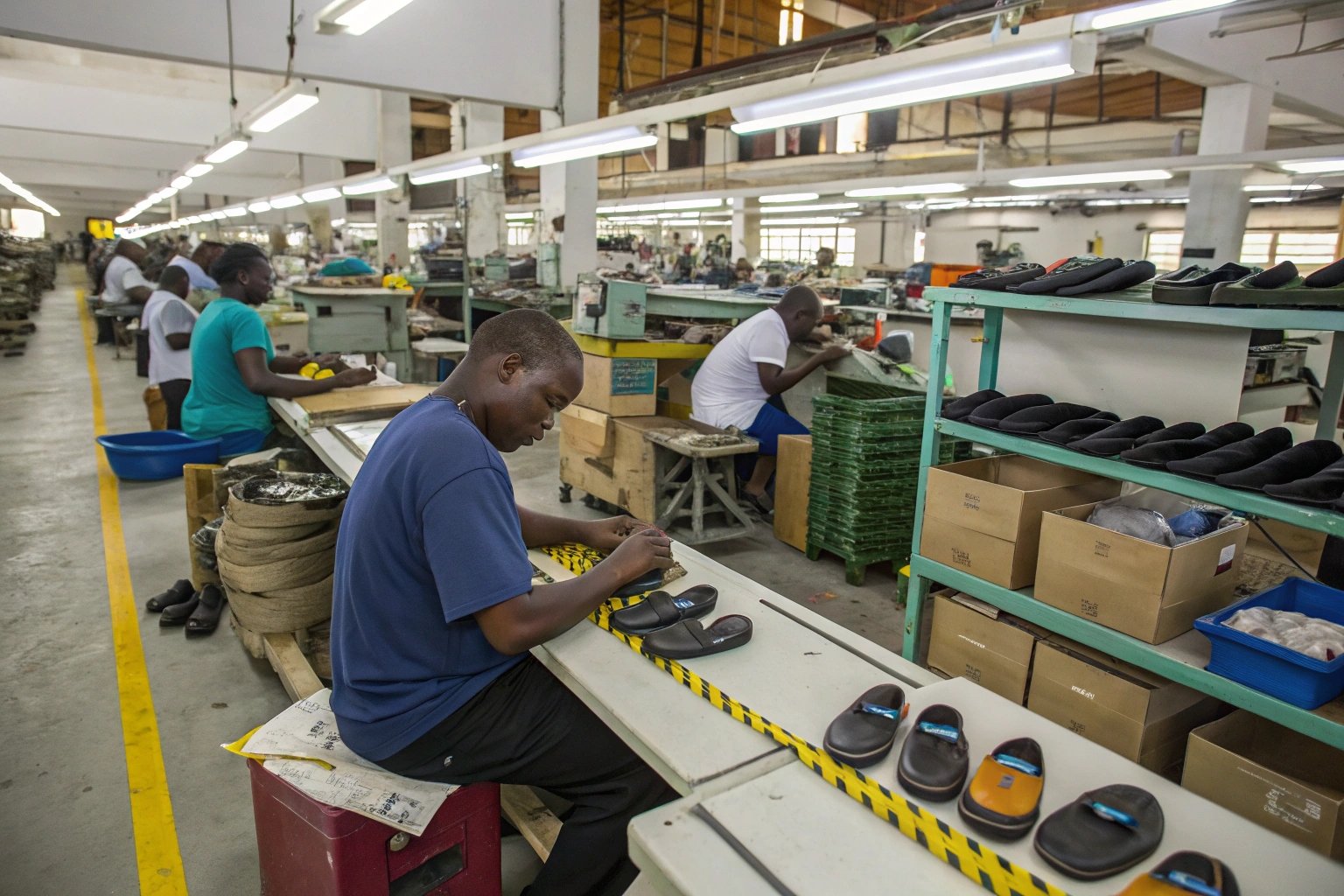
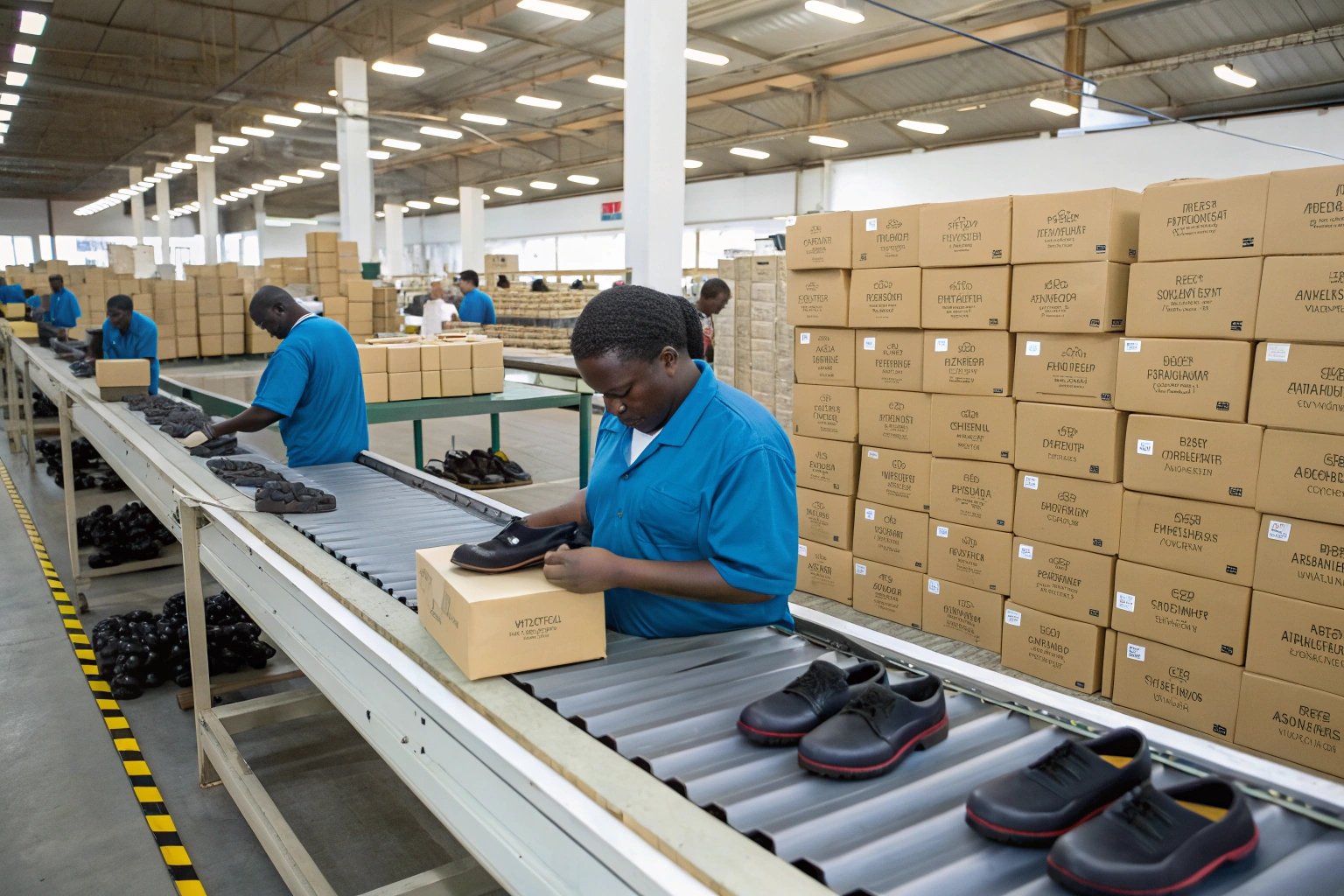
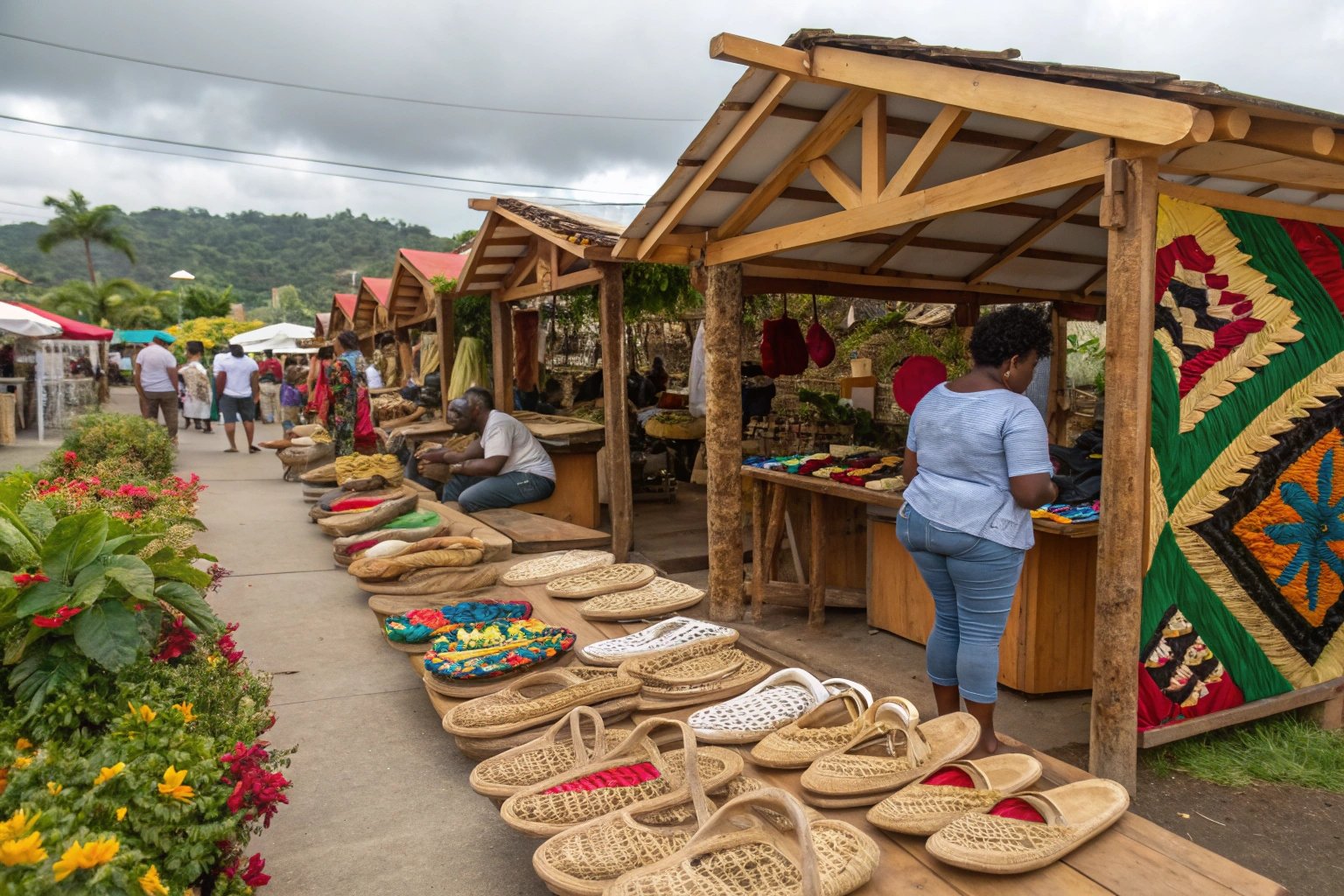
-
Import & Distribution Company :
- Overview: An importer and distributor of footwear, including slippers, sourced primarily from China, India, and other Asian countries. This is very likely to be a significant segment of the Trinidadian slipper market.
- Business Model : Imports a wide range of slippers from Asia, leveraging low production costs and established supply chains.
- Manufacturing Capabilities: None. This entity functions solely as a distributor.
- Sales Channels : Distributes products through wholesalers, retail stores, and potentially online platforms.
- Market Positioning : Offers affordable slippers targeting the mass market in Trinidad and Tobago.
- Likely Strengths: Access to low-cost products, established distribution network, familiarity with the Trinidadian market.
- Potential Weaknesses: Dependence on imports, limited control over quality, intense competition from other importers.
- Verification Needed: Requires identifying major footwear importers1 and assessing the quality and reliability of their supply chains.
-
Small Shoe Repair & Customization Shops:
- Overview: Numerous small, independently owned shoe repair shops that also offer custom-made footwear, including slippers. These are generally very small businesses with limited production capacity. They are not large-scale manufacturers.
- Business Model : Provides shoe repair services2 and offers custom-made footwear to local customers.
- Manufacturing Capabilities : Employs manual production techniques using basic tools and equipment. Production is limited to individual orders and small batches.
- Sales Channels : Sells directly to local customers.
- Market Positioning : Offers personalized footwear solutions and repair services.
- Likely Strengths: Personalized service, quick turnaround time, local presence, ability to create custom designs.
- Potential Weaknesses: Limited production capacity, higher prices, dependence on local customers, difficulty in scaling production.
- Verification Needed: Requires identifying and visiting local shoe repair shops to assess their capabilities and quality standards.
-
Ningbo Cotton Slipper Co., Ltd.: Your Trusted Global Slipper Partner for Trinidad & Tobago
Recognizing the challenges in sourcing reliable slipper manufacturers within Trinidad and Tobago, Ningbo Cotton Slipper Co., Ltd. offers a compelling solution: a trusted partner providing high-quality, customized slippers designed to meet the specific needs of the Trinidadian and wider Caribbean market. We understand the importance of delivering exceptional footwear at competitive prices. Since 2018, we have empowered over 2000 global customers, including prominent brand manufacturers, distributors, wholesalers, larger retailers, and promotional companies, by creating slippers perfectly tailored to their target audiences.
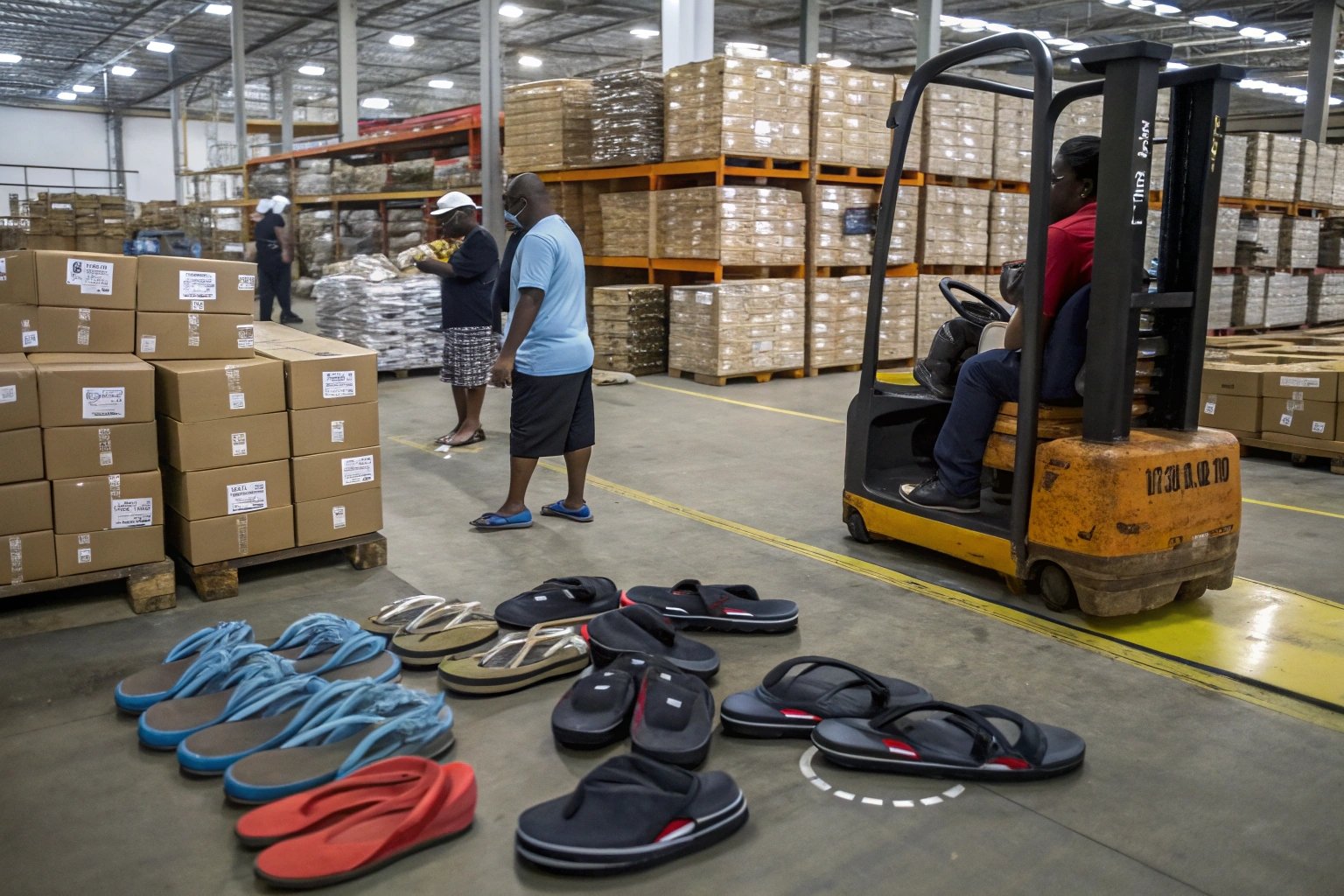

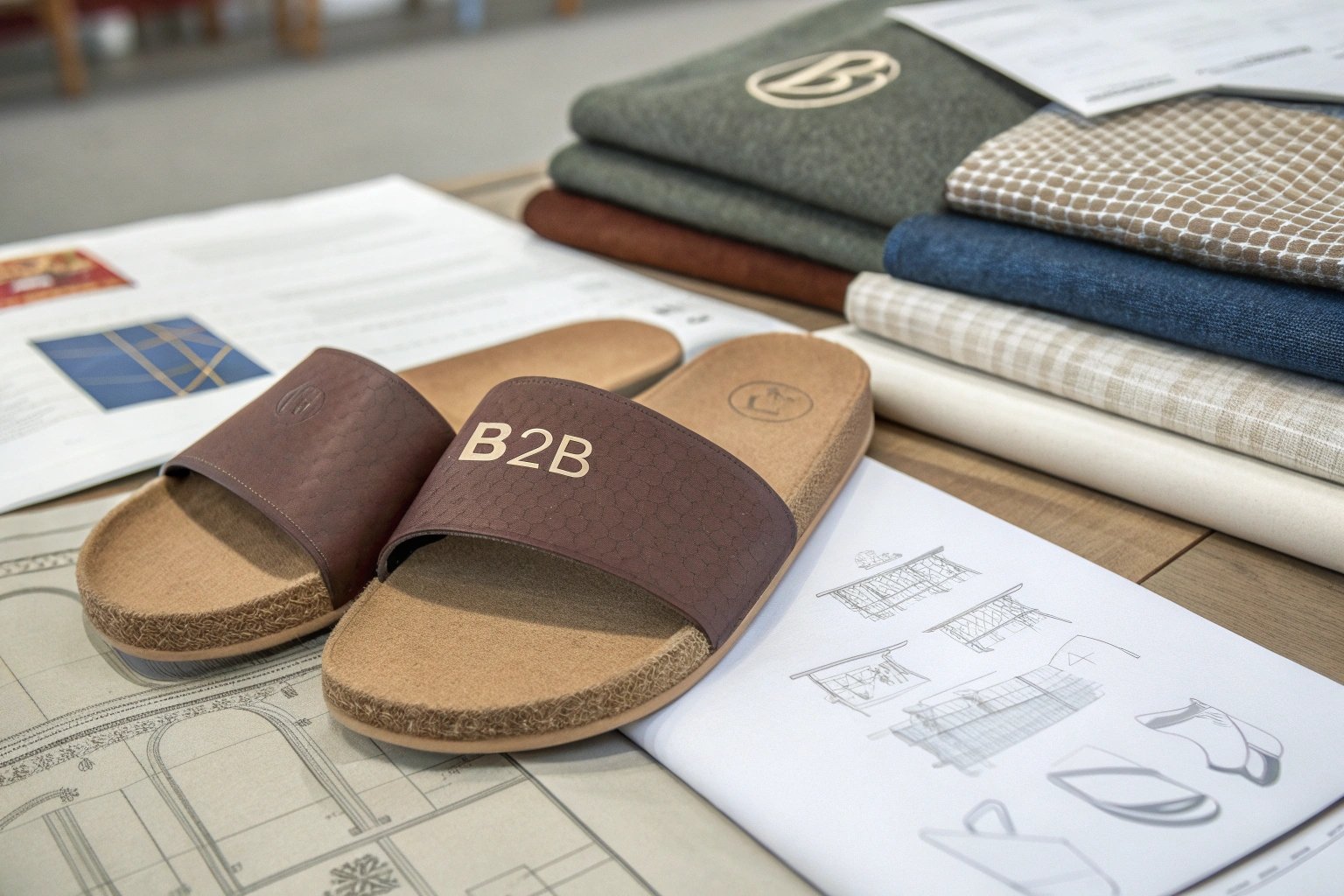
- Pros: Consistently high-quality slippers, extensive customization options (OEM & ODM), competitive and transparent pricing, comprehensive one-stop solutions for seamless sourcing, low minimum order quantities for market testing, international certifications ensuring product compliance, a proven track record of satisfied customers, reliable and efficient production processes, commitment to sustainable manufacturing practices.
- Cons: Located in China (requires international shipping – but we expertly manage all logistics!), primary focus on B2B partnerships.
Contact Chris Lu, Sales Director, directly at chris@evaslippers.com or call +86 183 6872 8228 to discuss your specific slipper sourcing requirements for the Trinidadian market. Discover how we can partner with you to achieve your business objectives and establish a thriving presence in the region! Let us collaborate to build your branded slipper success story.
Final Thoughts:
While the allure of exploring local Trinidadian slipper sourcing options may be tempting, the significant uncertainties and potential risks are undeniable. Partnering with a reputable and experienced international manufacturer like Ningbo Cotton Slipper Co., Ltd. offers numerous advantages, including superior product quality, extensive customization capabilities, reliable production processes, and a proven track record of success. Remember to conduct exhaustive due diligence, seek expert advice from professionals familiar with the Trinidadian business environment, and carefully weigh your options before making any final sourcing decisions. Your success hinges on informed choices and a commitment to delivering exceptional value to your target market.